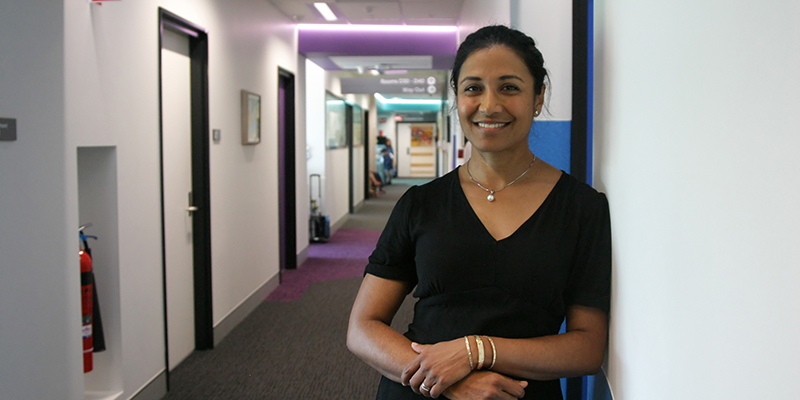
Dr Aveni Haynes
The Kids researchers have shed new light on long-held clinical evidence about blood glucose control in kids with type 1 diabetes (T1D) – giving parents more clarity to help keep their kids safe and well, now and into the future.
The word ‘hypo’ might be small, but these low glucose level episodes are the number one fear of families living with a child with T1D, as they can potentially lead to convulsions, coma or even death in severe cases.
Compounding this fear has been the belief, based on historical evidence, that good blood glucose control increases the risk of severe hypoglycaemia — a confusing message for parents striving to keep their child well without putting them in harm’s way.
Thankfully, new research from the Children’s Diabetes Centre at The Kids Research Institute Australia has found these two outcomes are no longer linked, with clinicians now in the driver’s seat to re-frame the way they deliver hypo education to families to help alleviate some of this fear.
The paradigm-shifting findings came out of a longitudinal study led by Dr Aveni Haynes, head of epidemiology research at the Centre. The study, which featured on the cover of the prestigious Diabetes Care journal in September 2019, looked at trends in glycaemic control (a medical term referring to the typical levels of blood glucose in a person with T1D) and hypoglycaemia rates in paediatric cohorts from Western Australia, Germany and Austria.
The study found that the relationship between a patient’s average level of blood glucose and severe hypoglycaemia events had changed over the past two decades in countries where modern diabetes therapies and technology were being used to treat children with T1D.