
Search
At The Kids, our vision is simple - happy healthy kids. Our goal is to make a real difference in our community to benefit children and families everywhere. Our values underpin the way we work and make decisions: collaboration, courage, evidence, respect.
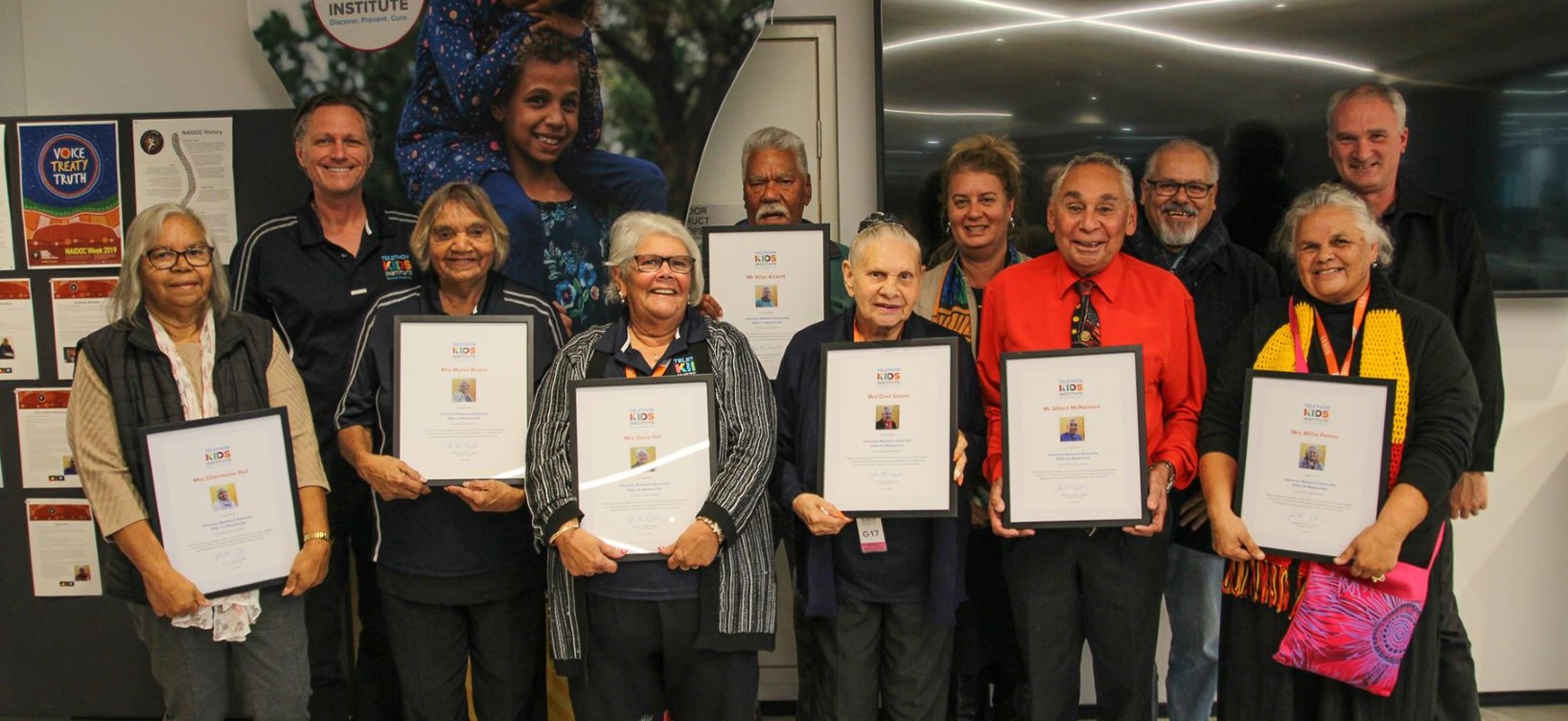
The Ngulluk Koolunga Ngulluk Koort (Our Children, Our Heart) Project grew out of a bold vision to harness the wisdom of Aboriginal Elders to improve outcomes for Aboriginal children, producing a suite of Elder-led, culturally appropriate and empowering initiatives that are making a difference.

Two international trials led by The Kids Research Institute Australia’s Neonatal and Infection Immunity Team are tackling the urgent need for simple and safe interventions that can help prevent the adverse long-term effects of infections in extremely preterm babies.
Research
Attention Deficit Hyperactivity DisorderAttention deficit hyperactivity disorder (ADHD) is the most commonly diagnosed childhood mental health disorder, affecting about 1 in 20 children. It can impact their behaviour, learning and social skills.
Research that maps and tracks.
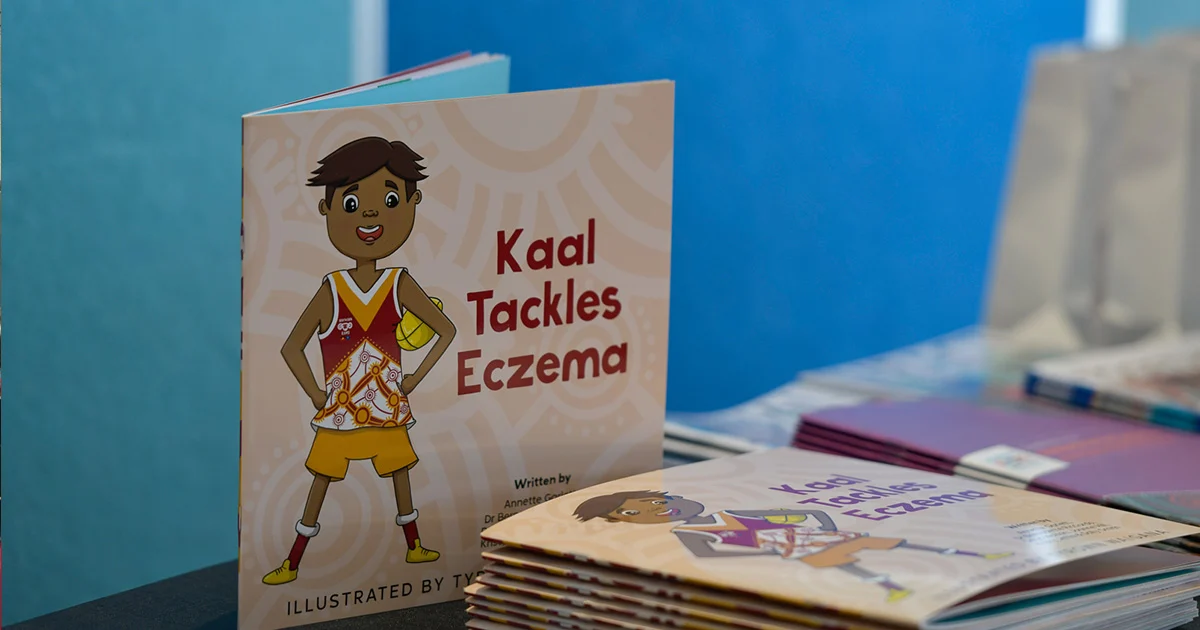
In close partnership with Aboriginal Elders and community members in Western Australia's south-west, we created ‘Kaal Tackles Eczema’, a children’s book to help Aboriginal families manage eczema. Our research showed a high prevalence and need for culturally relevant resources. The book uses Noongar language and art to educate and reduce infections, and is available online and in schools.

In addition to our busy lives, there’s a lot going on around us locally and across the world.
Research
Postsepsis Care Needs in Children and Families: Single-Center, Codesign Qualitative Research from Western AustraliaSepsis, for children and their parents, is a life-altering illness with far-reaching psychosocial and physical impacts. We aimed to explore the needs of such patients and their parents after hospital admission for sepsis to inform the development of a Western Australian postsepsis care service.
Research
Respiratory Syncytial Virus Strain Evolution and Mutations in Western Australia in the Context of Nirsevimab ProphylaxisNirsevimab is a long-acting monoclonal antibody used to prevent respiratory syncytial virus (RSV) infection in infants and high-risk children. During the 2024 RSV season in Western Australia, 21 922 doses were administered to infants entering their first season and 1221 doses to at-risk children. In this context, the selection and spread of escape variants are a potential concern. This study aimed to investigate nirsevimab binding site mutations using clinical and wastewater data.

Not all children or teenagers identify with the gender they were presumed at birth. As a result, some may choose to change their name, their clothes or their body and live as a different gender. Some may choose to obtain specialised medical treatment.