
Search
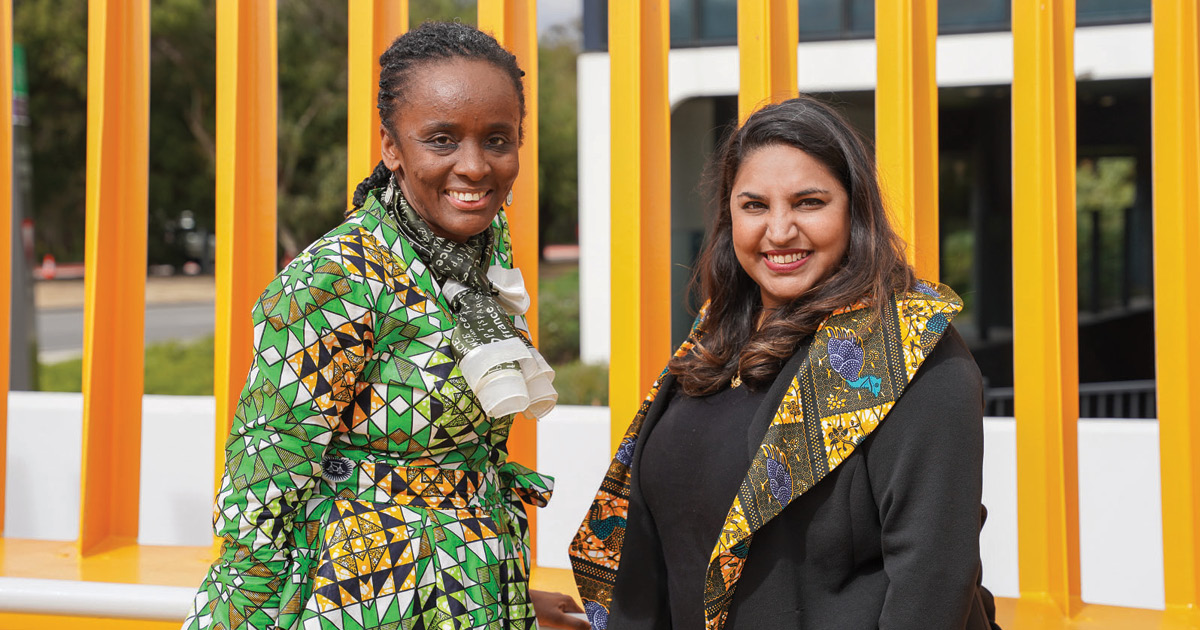
The Kids Research Institute Australia is at the forefront of a global effort to track and prevent malaria – one of the world’s leading causes of disease and child deaths, particularly in developing countries.
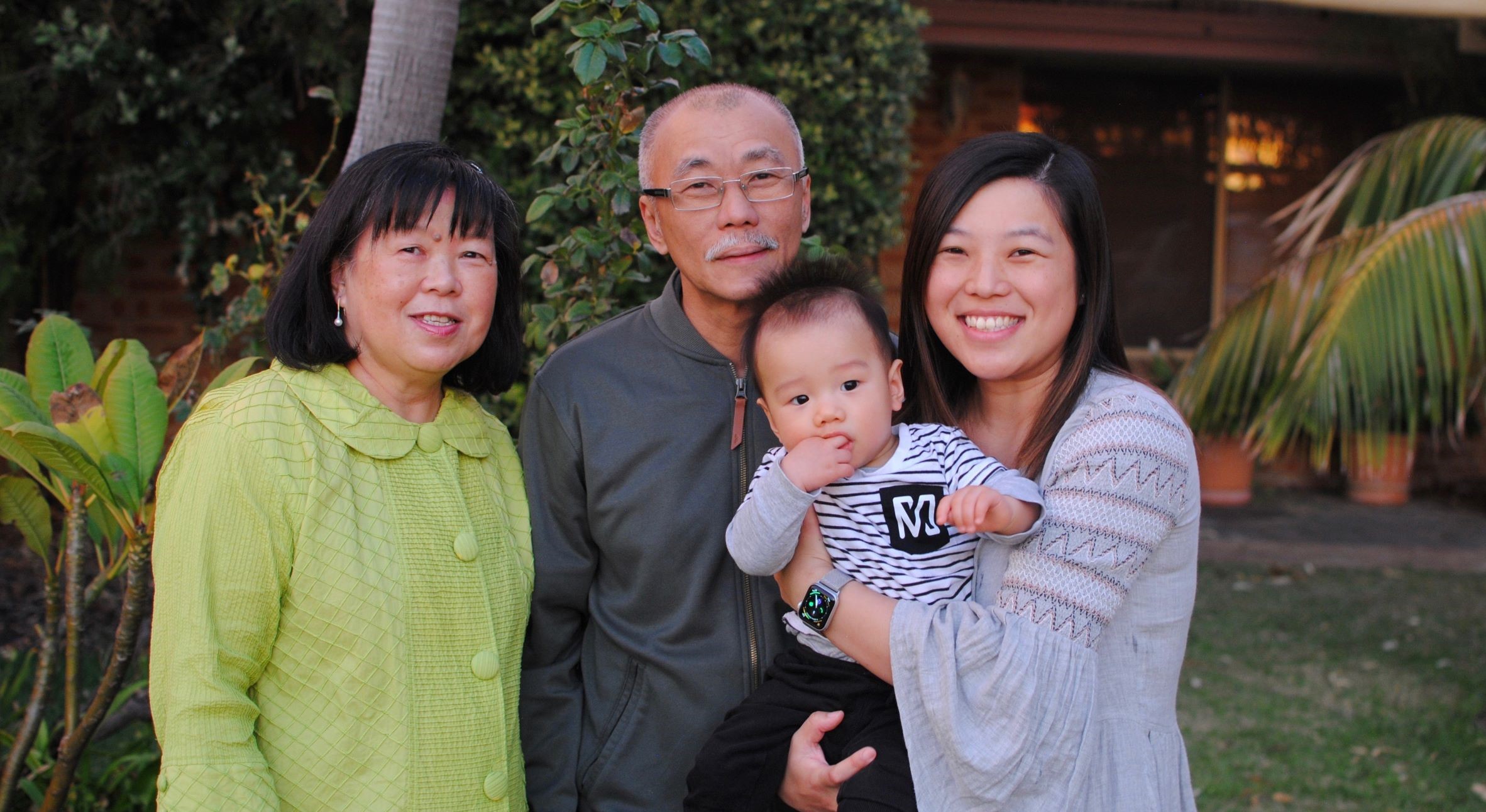
Between 1989 and 1991, almost 3,000 WA babies were recruited to the Raine Study - an ambitious research project which would yield a series of paradigm-shifting findings that changed scientific thinking. Three decades on, it has also changed the lives of those taking part.
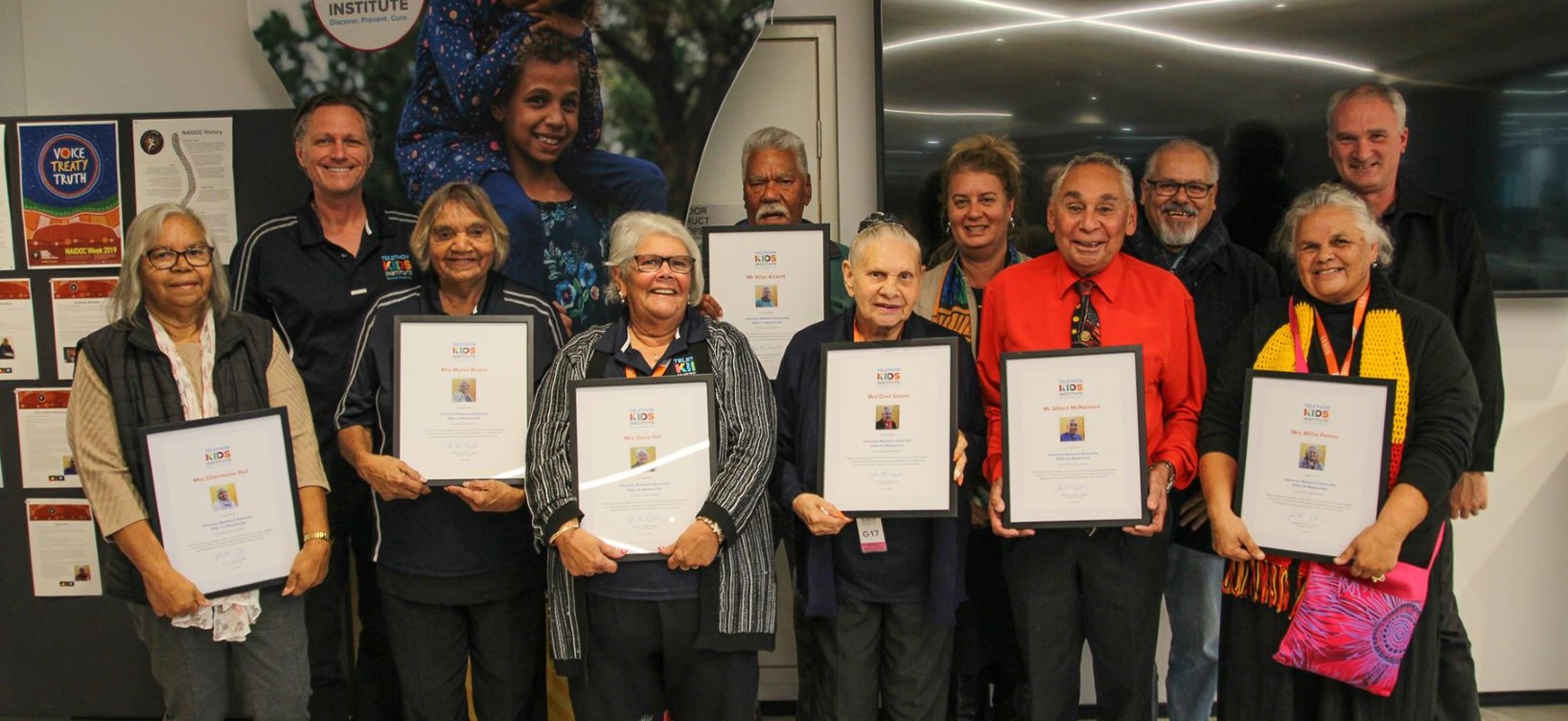
The Ngulluk Koolunga Ngulluk Koort (Our Children, Our Heart) Project grew out of a bold vision to harness the wisdom of Aboriginal Elders to improve outcomes for Aboriginal children, producing a suite of Elder-led, culturally appropriate and empowering initiatives that are making a difference.
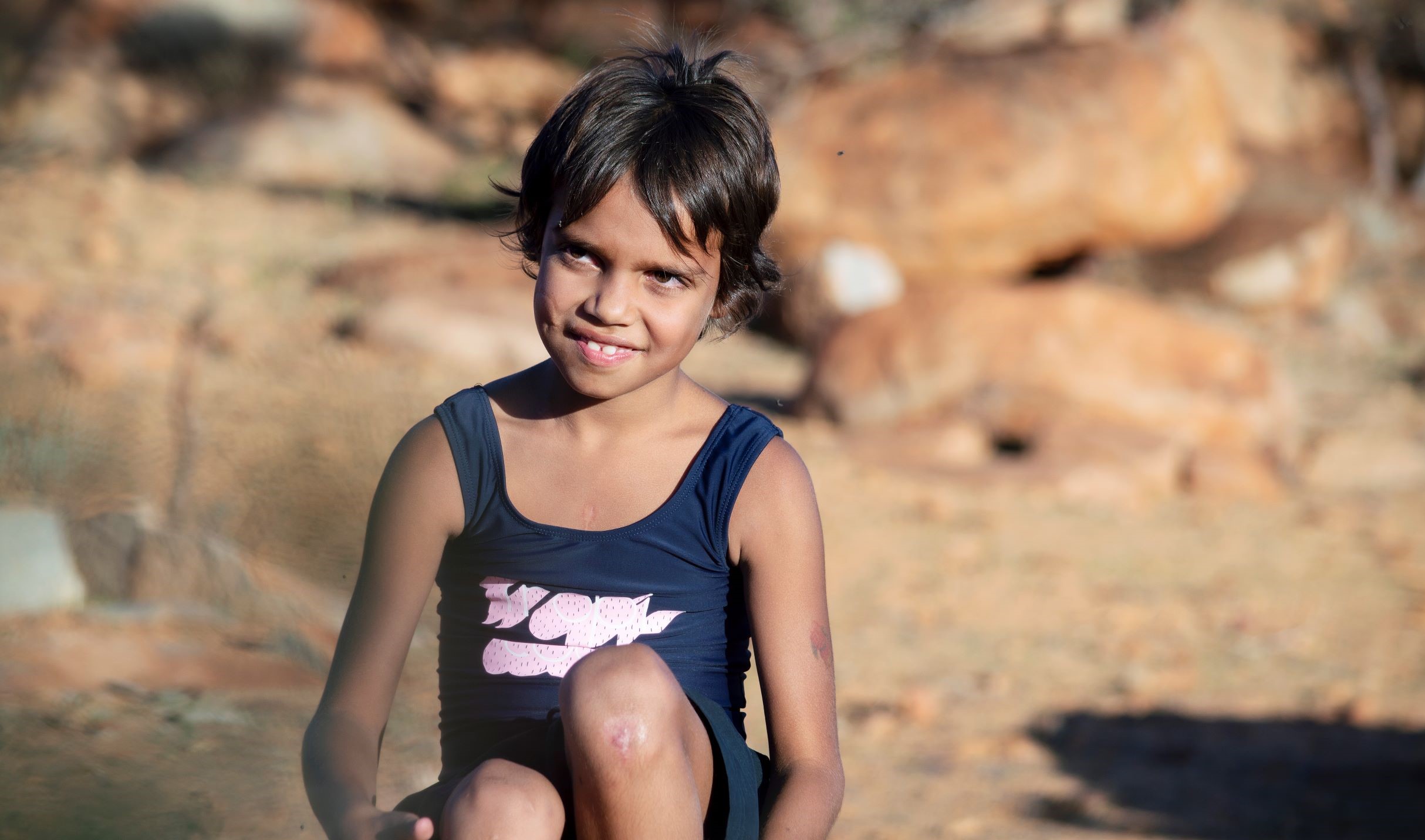
Five years of intensive collaboration between researchers, clinicians, Aboriginal Community Controlled Health Organisations, and government and non-government organisations have finally put the long-fought for goal of ending RHD within reach.
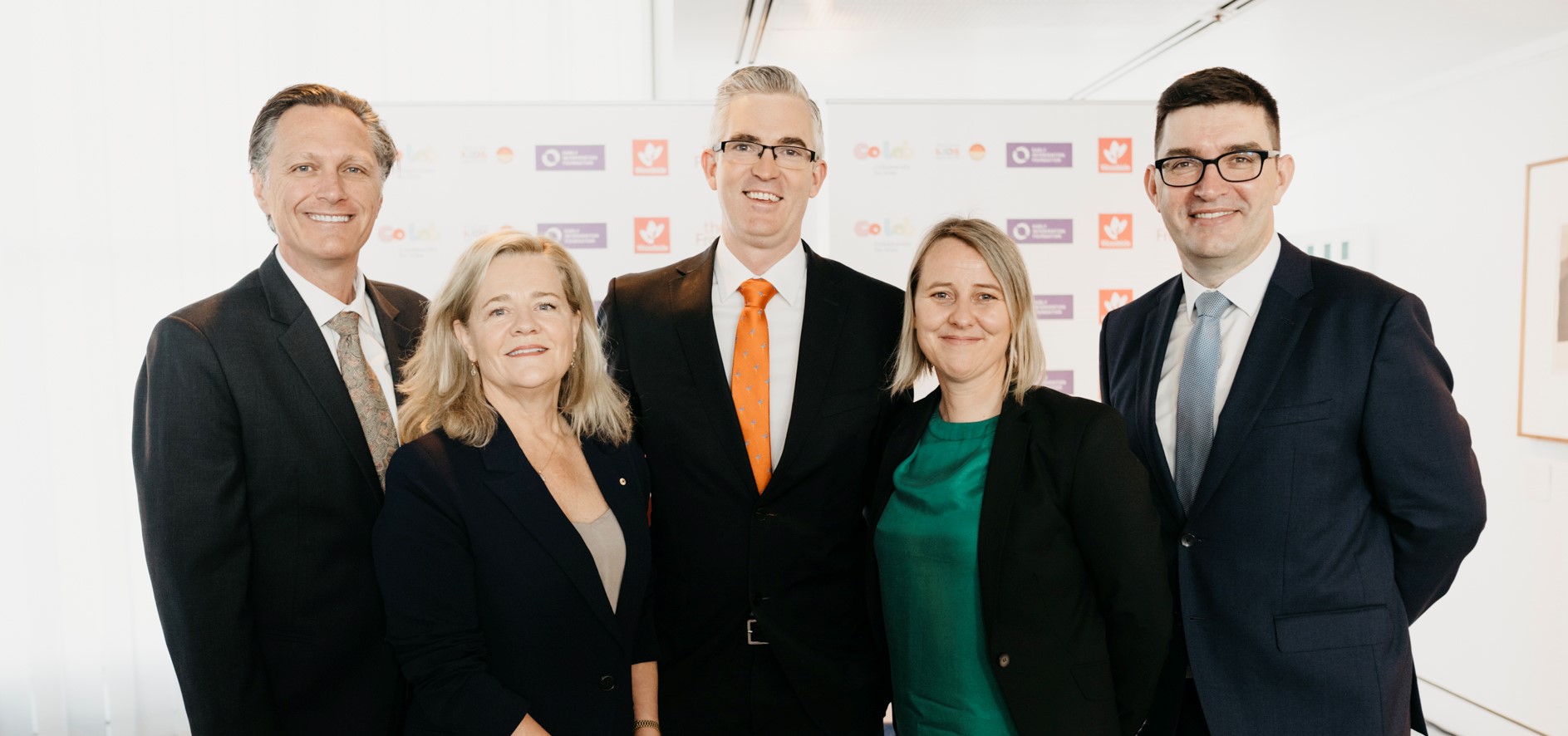
Leaders in the not-for-profit, research, philanthropy and business sectors have joined forces to shine a light on the human and economic benefits of early support for Australian children.
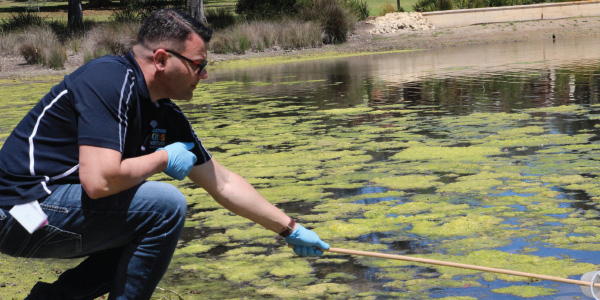
Cystic fibrosis (CF) researchers are working hard to progress phage therapy as an alternative treatment to antibiotics in people with CF who develop life-threatening lung infections.
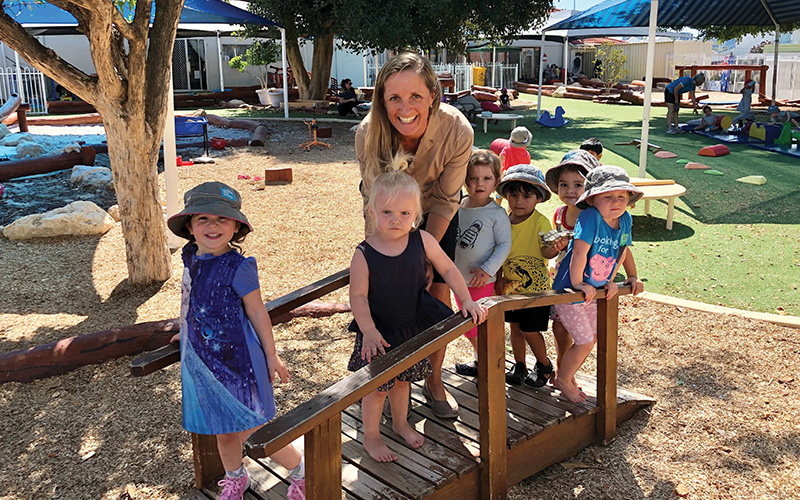
Not too long ago, if you had mentioned physical activity to educators at the Sonas Early Learning & Care centres run by Shelley Prendergast, they would automatically have reached for the trusty old obstacle course.
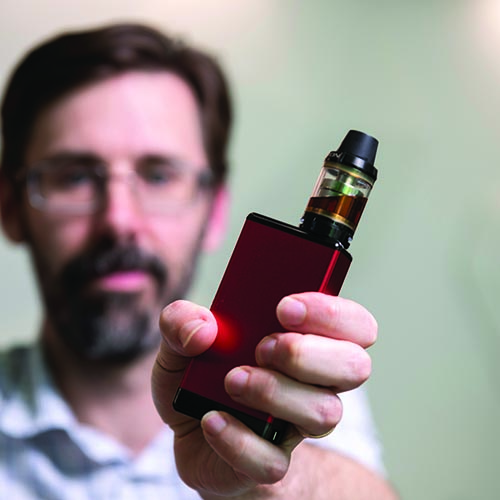
Research into the potential health impacts of vaping is starting to back up concerns that electronic cigarettes (e-cigarettes) are not as benign as many people think.
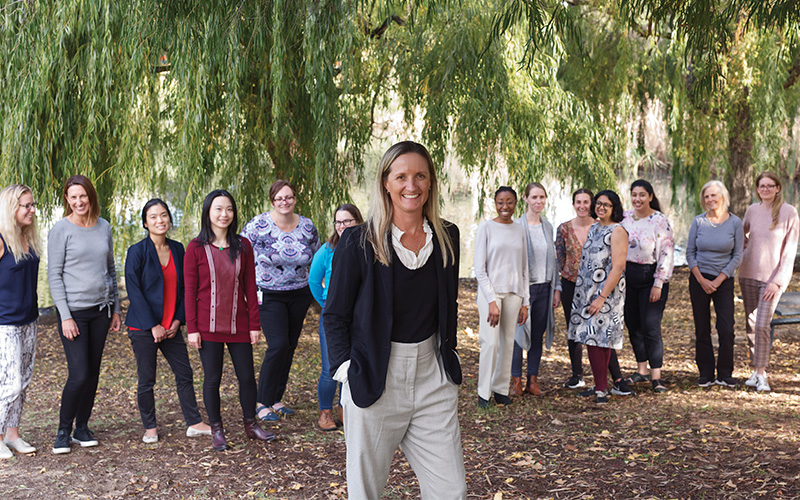
The Kids Research Institute Australia researchers are urging governments to listen more to what kids need.
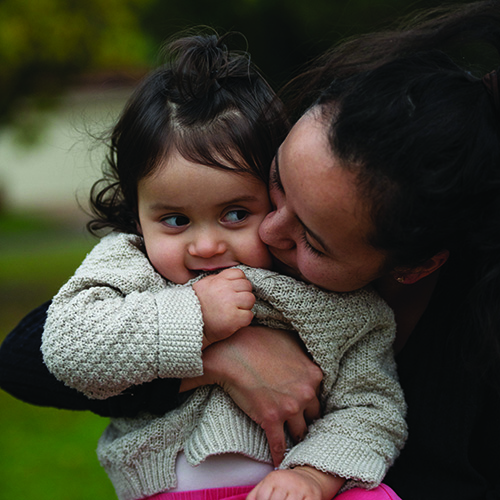
Patricia Ilchuk can still recall the day in August 2020 when her daughter Manna – then five weeks old – had her first seizure.