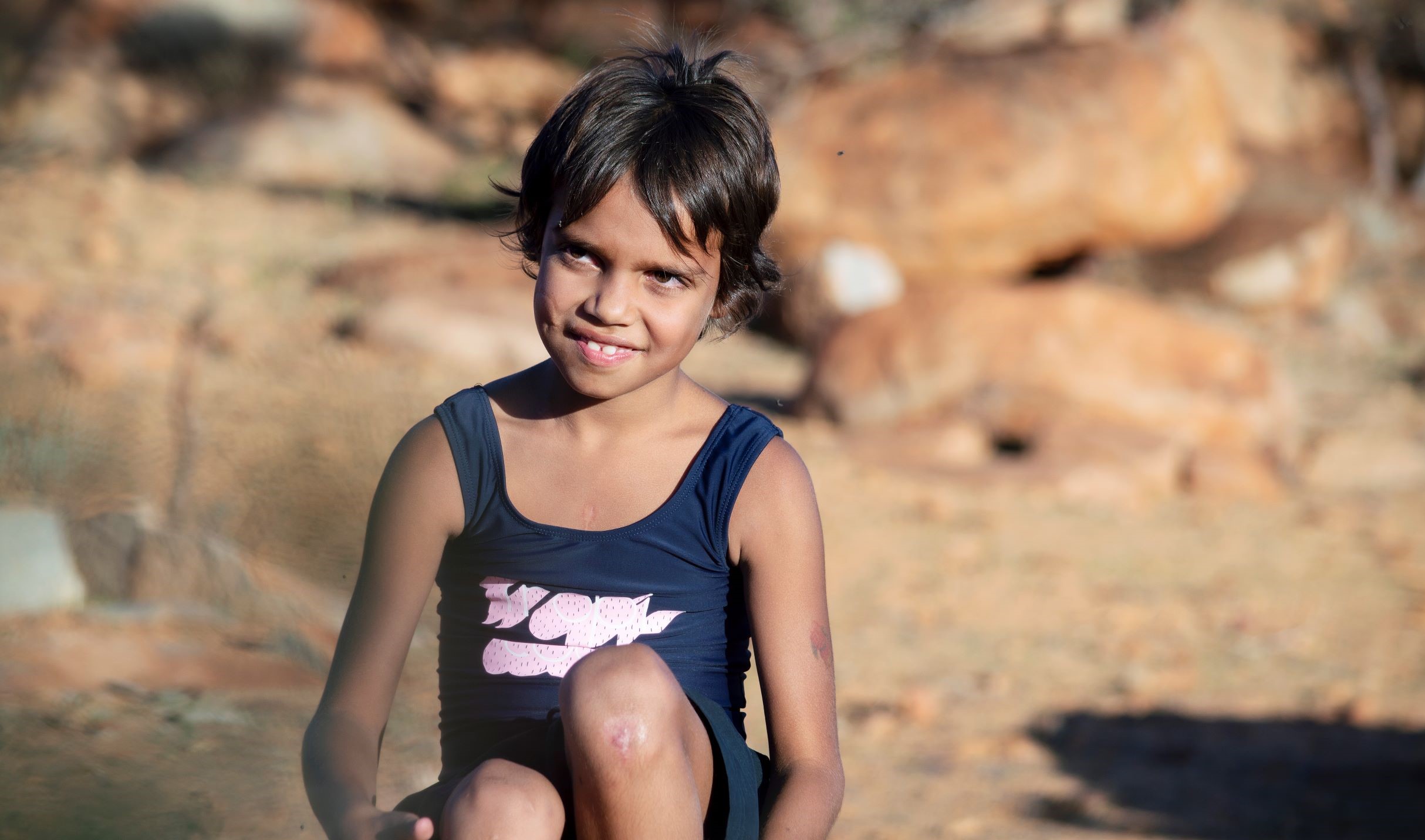
Aged just seven years old, Tenaya Bell was flown to Perth for two rounds of emergency open heart surgery to repair damage caused by rheumatic heart disease.
Five years of intensive collaboration between researchers, clinicians, Aboriginal Community Controlled Health Organisations, and government and non-government organisations have finally put the long-fought for goal of ending RHD within reach.
In 2014, The Kids Research Institute Australia was awarded funding from the NHMRC to establish the End Rheumatic Heart Disease Centre of Research Excellence (END RHD CRE) to address the urgent need for a comprehensive, evidence-based plan to eliminate rheumatic heart disease (RHD) in Australia. The result – soon to be delivered to the Federal Government – is the RHD Endgame Strategy: The blueprint to eliminate rheumatic heart disease in Australia by 2031.
The Endgame Strategy captures the collective experience of stakeholders from all ends of the RHD spectrum and pairs it with 25 years of research, painting a clear picture of what needs to happen to eliminate RHD within the next 11 years.
Professor Jonathan Carapetis, lead investigator of the END RHD CRE, said research on its own was never going to be enough to end RHD.
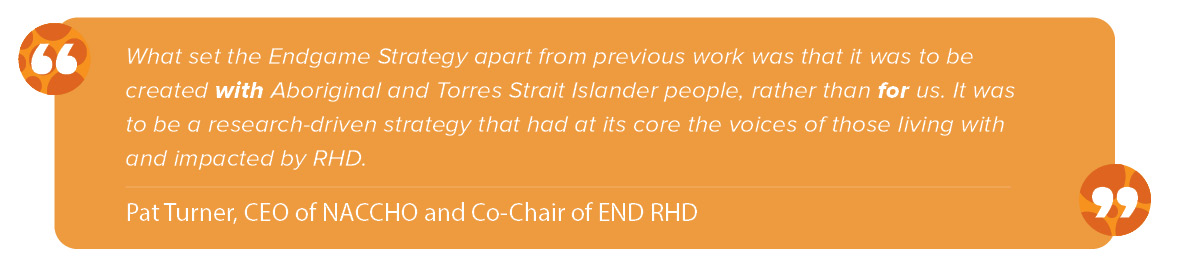
“To really make a difference, we needed to create a scientific evidence base in partnership with those affected by, and invested in, tackling this terrible disease,” Professor Carapetis said.
“Only by doing this could we come up with a realistic, meaningful and effective strategy that would achieve our goal of preventing the next generation of Aboriginal and Torres Strait Islander children developing rheumatic heart disease.”