
Search
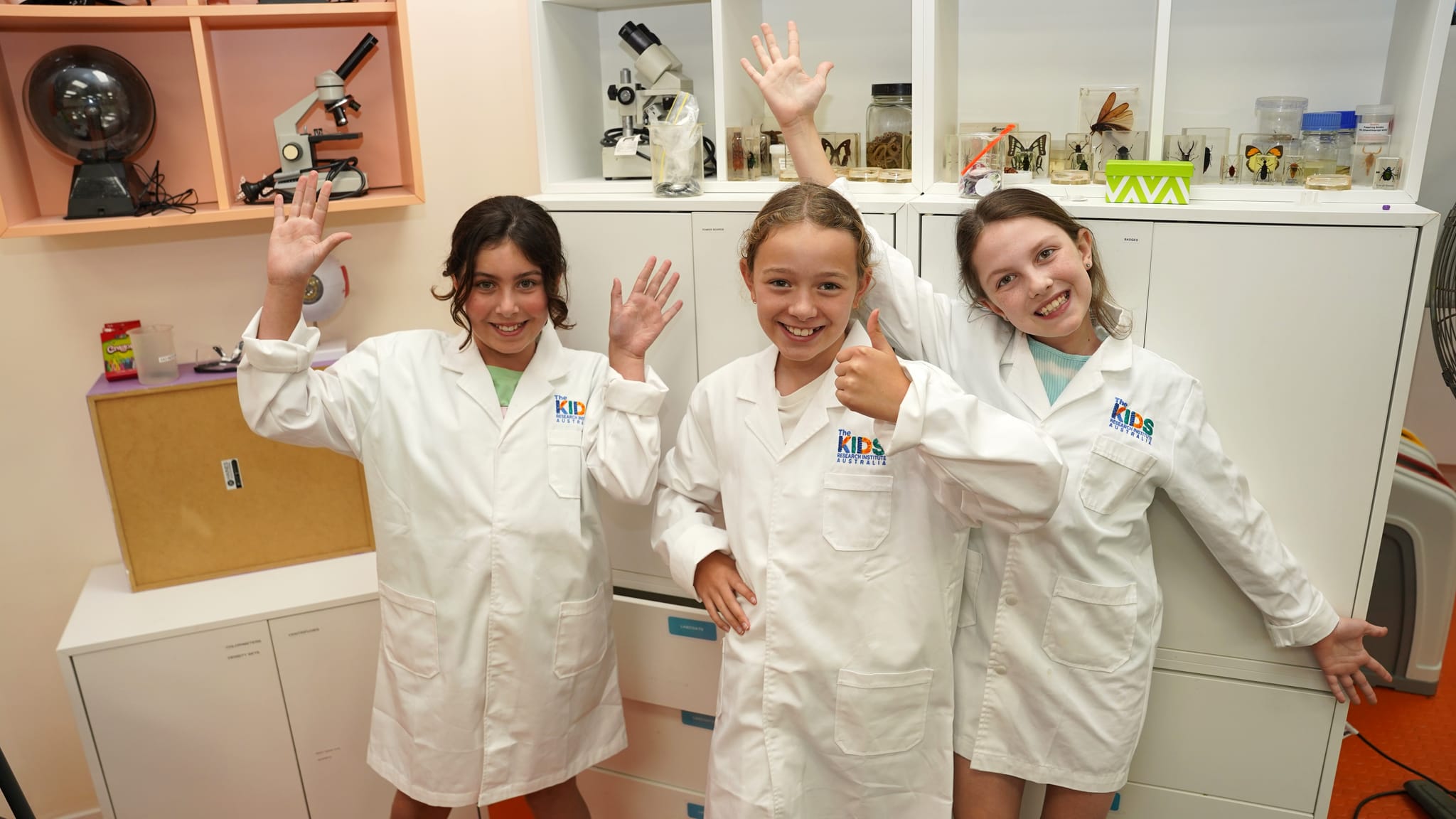
Tailored to spark curiosity and link directly to the Australian curriculum, our schools program engages young minds and bridges the gap between classroom learning and cutting-edge medical research.
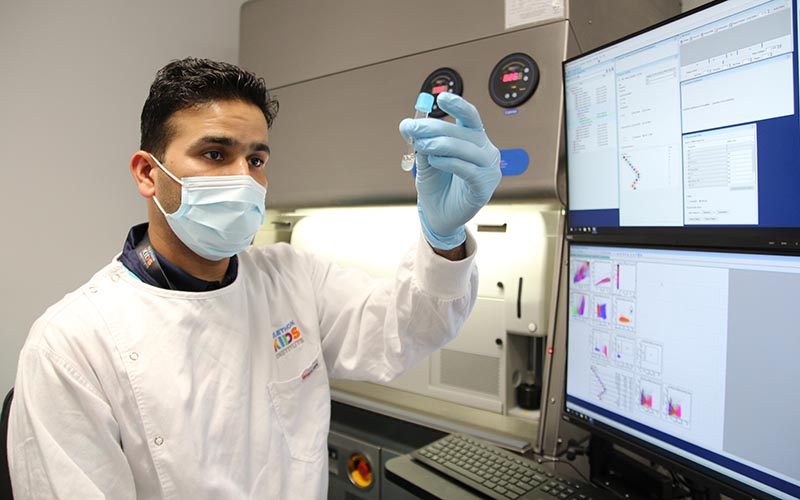
Flow cytometry is a technology used to measure complex cell phenotype and functions. Our Flow Facility is equipped with 3 flow cytometers/analysers, one...
In 2006, when a Japanese scientist building on the earlier work of a British biologist discovered a way to reprogram adult cells into other cell types – making them ‘pluripotent’ – the scientific world was entranced.
It’s a brave move to upend your entire family to seek a fresh start – or safety – in a new country: even braver when the country you’re moving to has a completely different language, structure and cultural outlook.
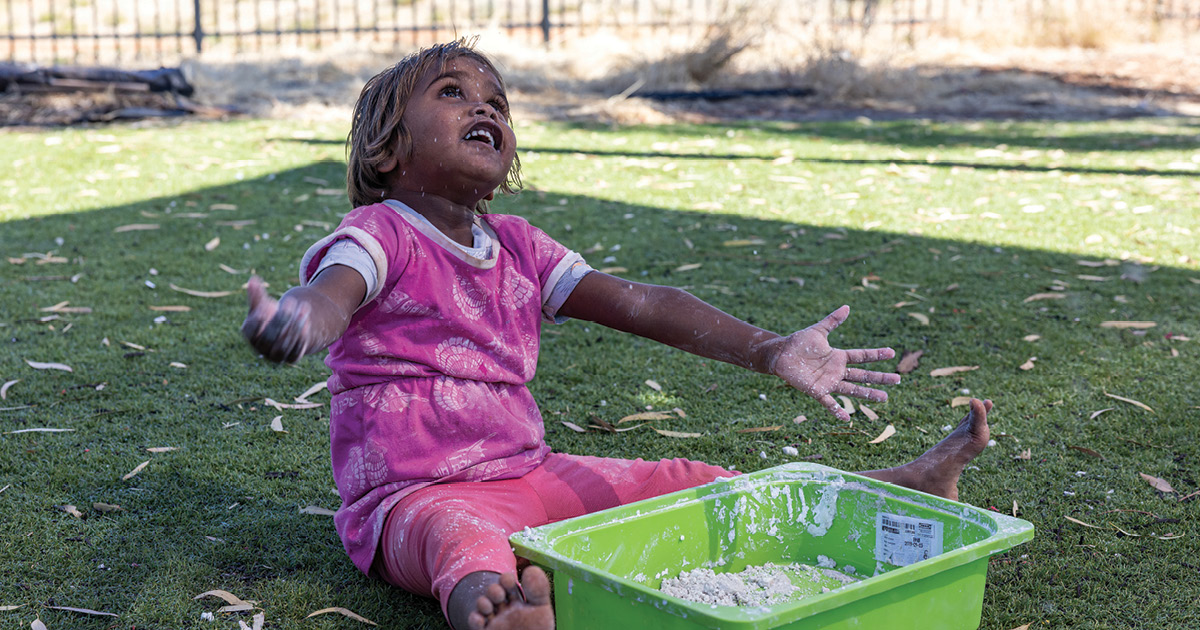
A unique initiative is combining research, action and advocacy to deliver evidence- based improvements to the health and wellbeing of Aboriginal families in Perth and Western Australia’s north west.
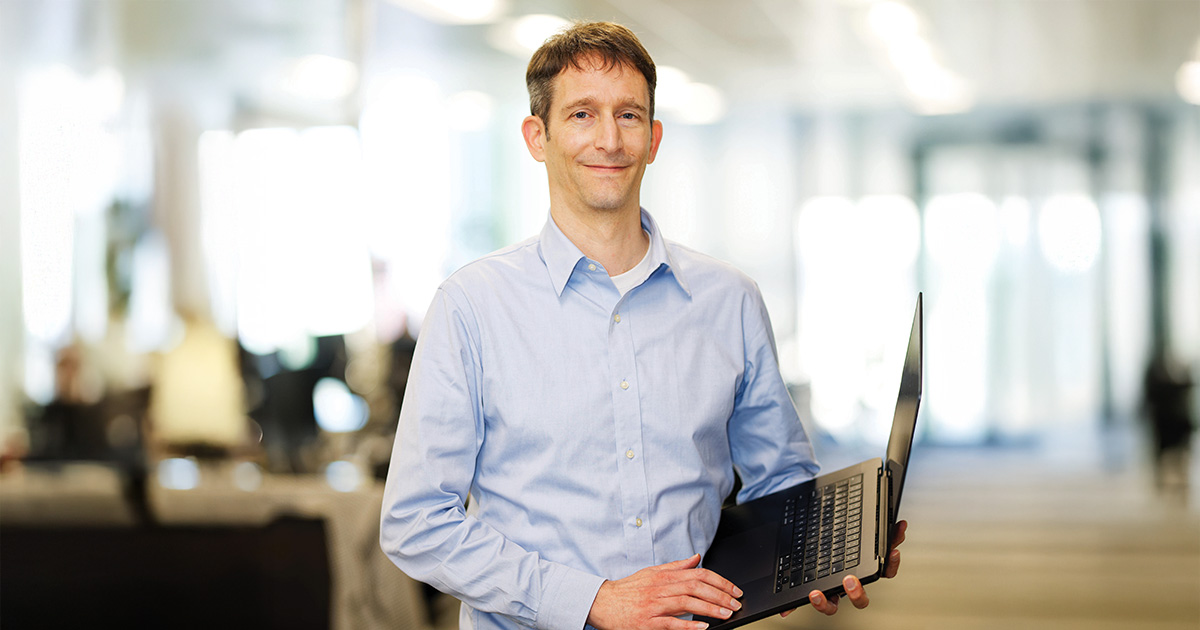
Three hundred and fifty million people live with an undiagnosed disease worldwide and three quarters of them are children.
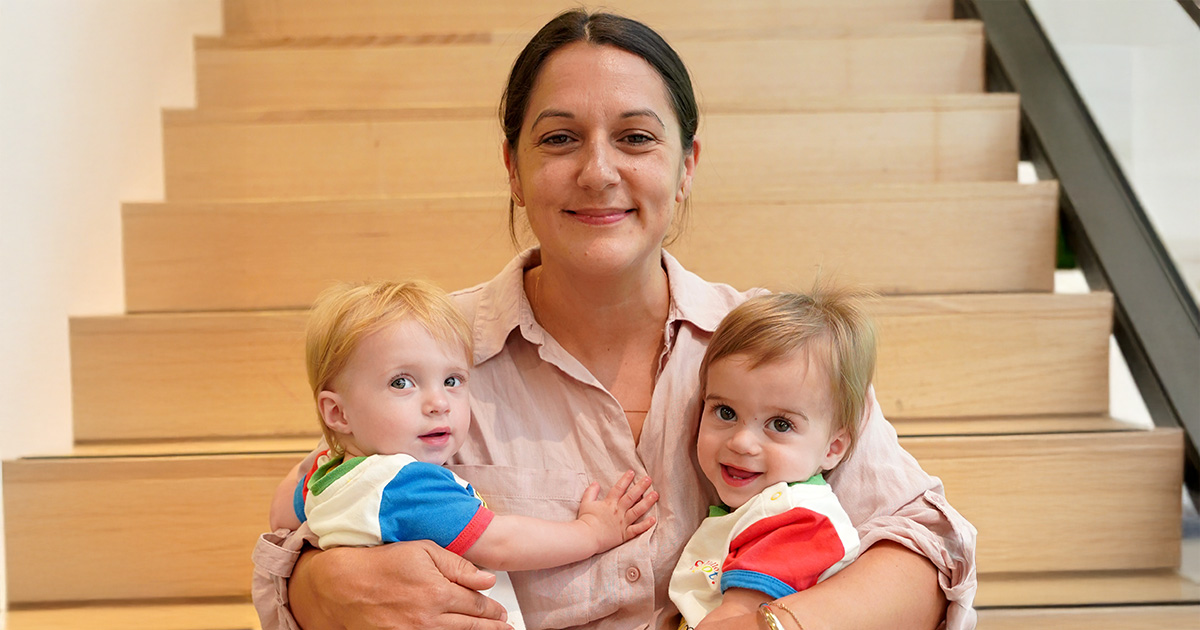
An Australian-first study, funded by Perth Children's Hospital Foundation, demonstrating the effectiveness of a new immunisation against respiratory syncytial virus (RSV) for babies found it to be almost 90 per cent effective in reducing hospitalisation rates.
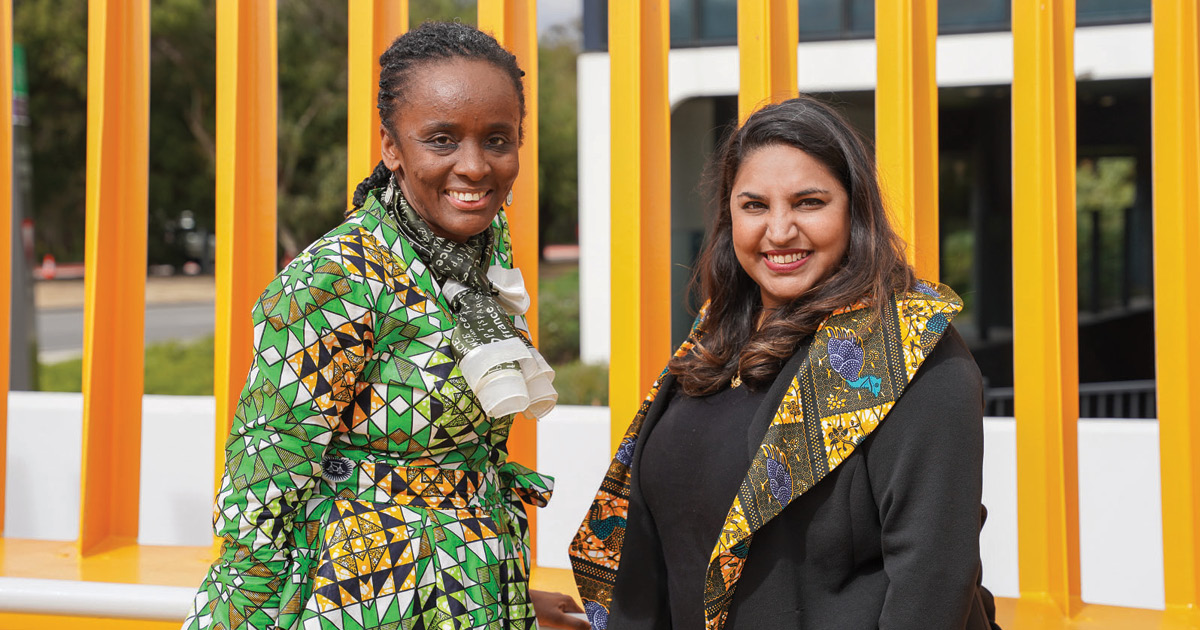
The Kids Research Institute Australia is at the forefront of a global effort to track and prevent malaria – one of the world’s leading causes of disease and child deaths, particularly in developing countries.
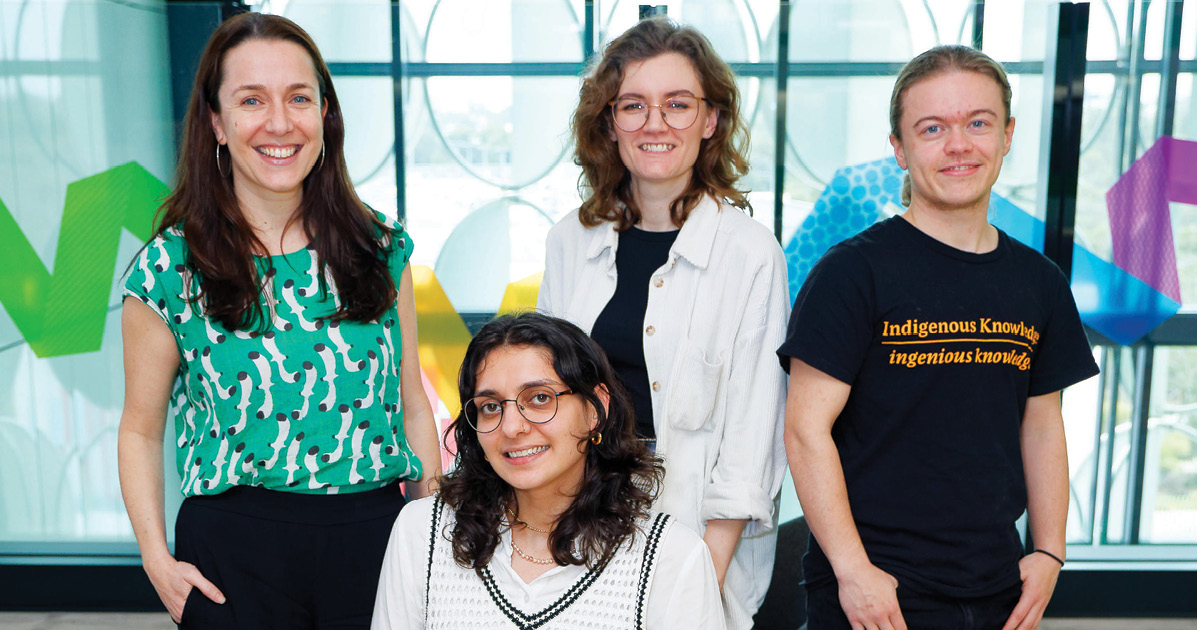
Alarming statistics laying bare the social emotional wellbeing and mental health challenges facing Aboriginal and Torres Strait Islander LGBTQA+ youth are driving a multi-partner program to provide them with greater support.
Research
Koolungar (Children) Moorditj (Strong) Healthy Skin Project Part II: Skin Health in Urban-Living Australian Aboriginal ChildrenAlthough essential for overall health and wellbeing, little is known about skin health in urban-living Australian Aboriginal children. This co-designed, research-service project aimed to describe skin health and document skin disease frequency in urban-living Aboriginal children and young people in Western Australia and investigate housing associations for skin infections.