
Search
The Kids Research Institute Australia has welcomed the Federal Government's commitment to a Medical Research Future Fund to improve the long term health of Australians.
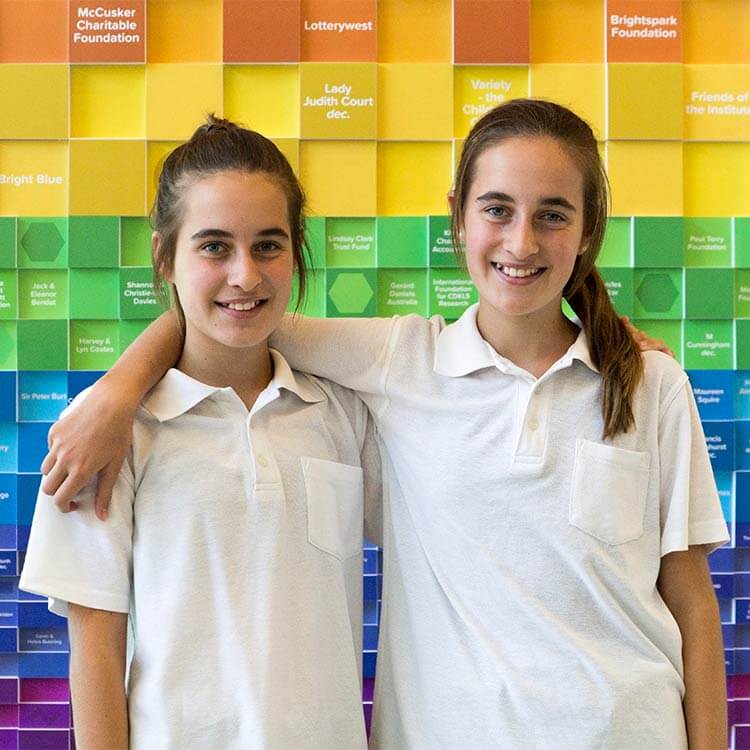
A world first study of language development in toddler twins confirms the widely held belief that twins start to talk later than single-born children.
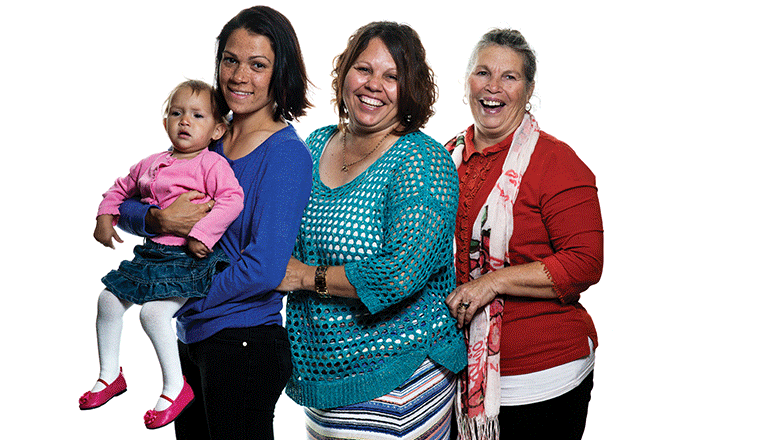
A multi-faceted study led by a Murdoch University researcher will influence the way maternity services support Aboriginal women in WA during pregnancy and birth
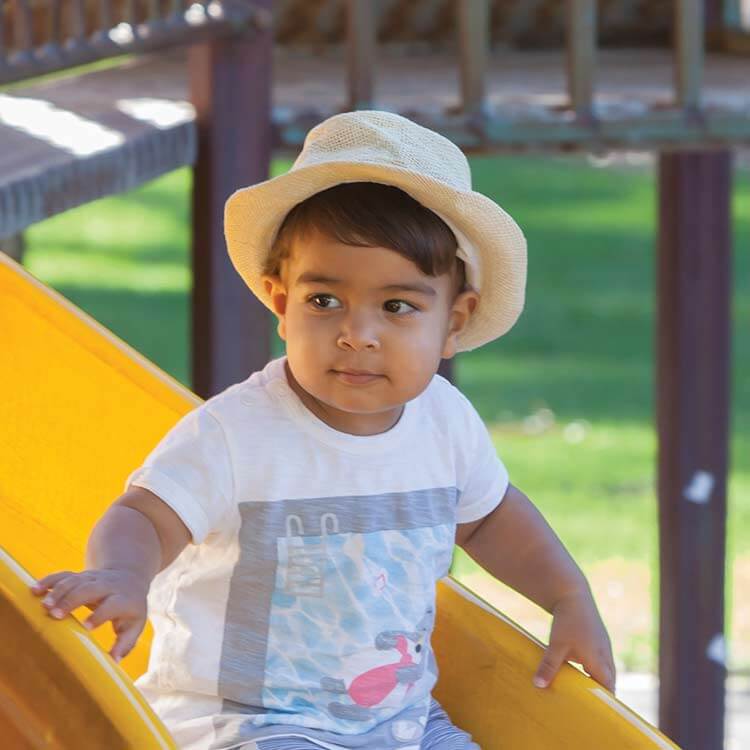
New research from The Kids Research Institute Australia has revealed, for the first time, a link between childhood obesity and higher levels of protective parenting.

A study by The Kids Research Institute Australia and the University of Western Australia is exploring the reasons why women are delaying pregnancy into their thirties.
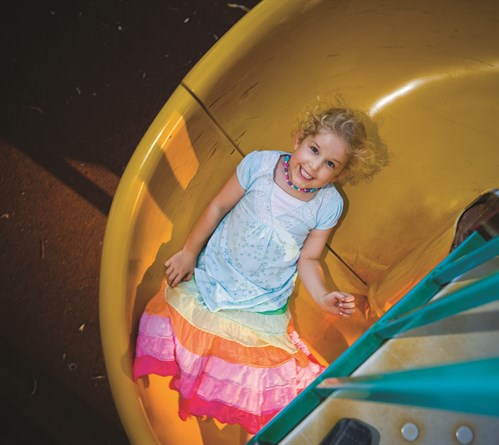
Every parent knows that physical activity and playtime are important elements of healthy growth and development. They're also a lot of fun.
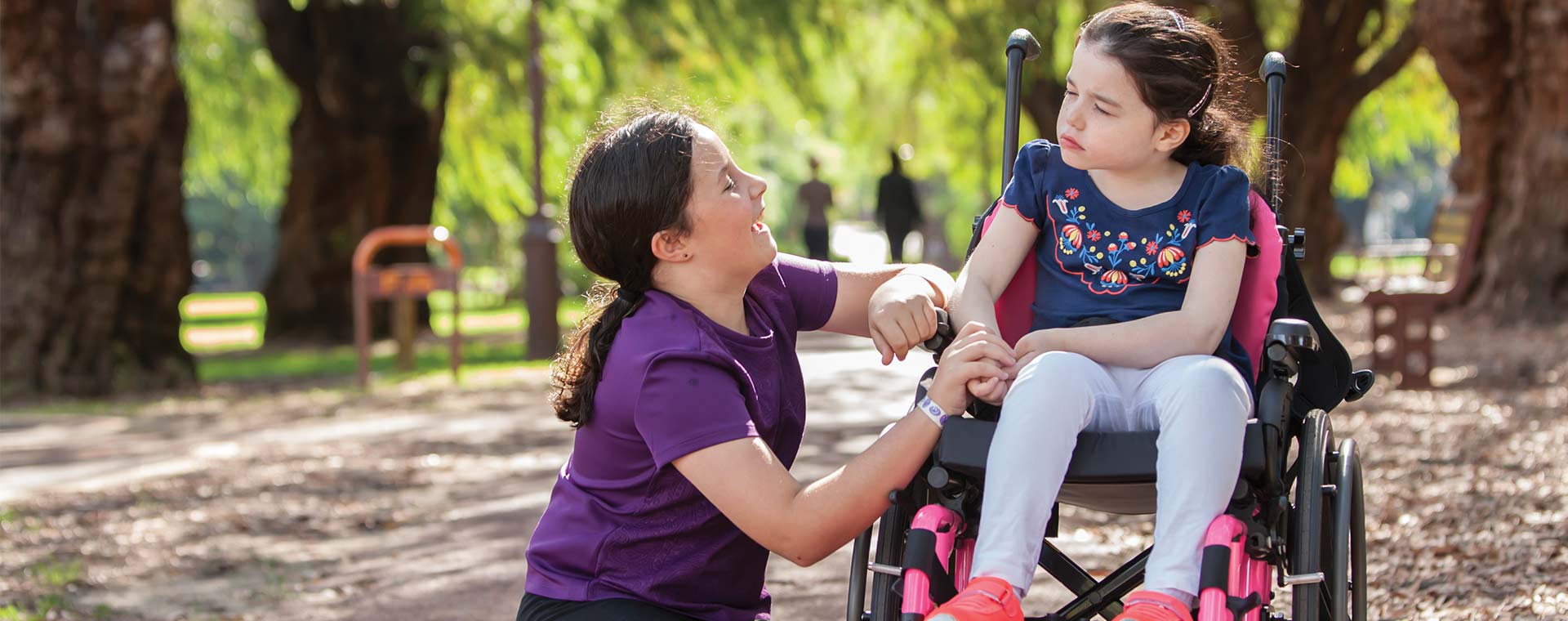
For Perth researcher Ami Bebbington, mathematics is a vital tool in her personal and professional quest to improve the lives of children everywhere.
You are invited to come and hear about our research, meet our researchers and express your interest in working together on current and future projects.
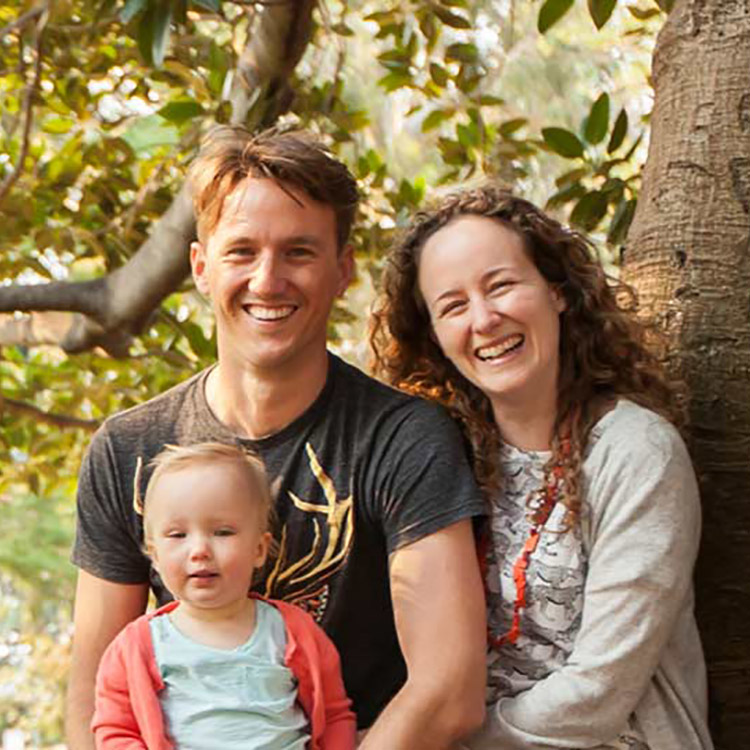
A new study looking at the receptive language development of young children has highlighted the need to monitor kids over time to ensure they don't fall behind.

Research from The Kids Research Institute Australia shows that a short time interval between pregnancies may be less of a risk factor for preterm birth and low birth weight