
Search
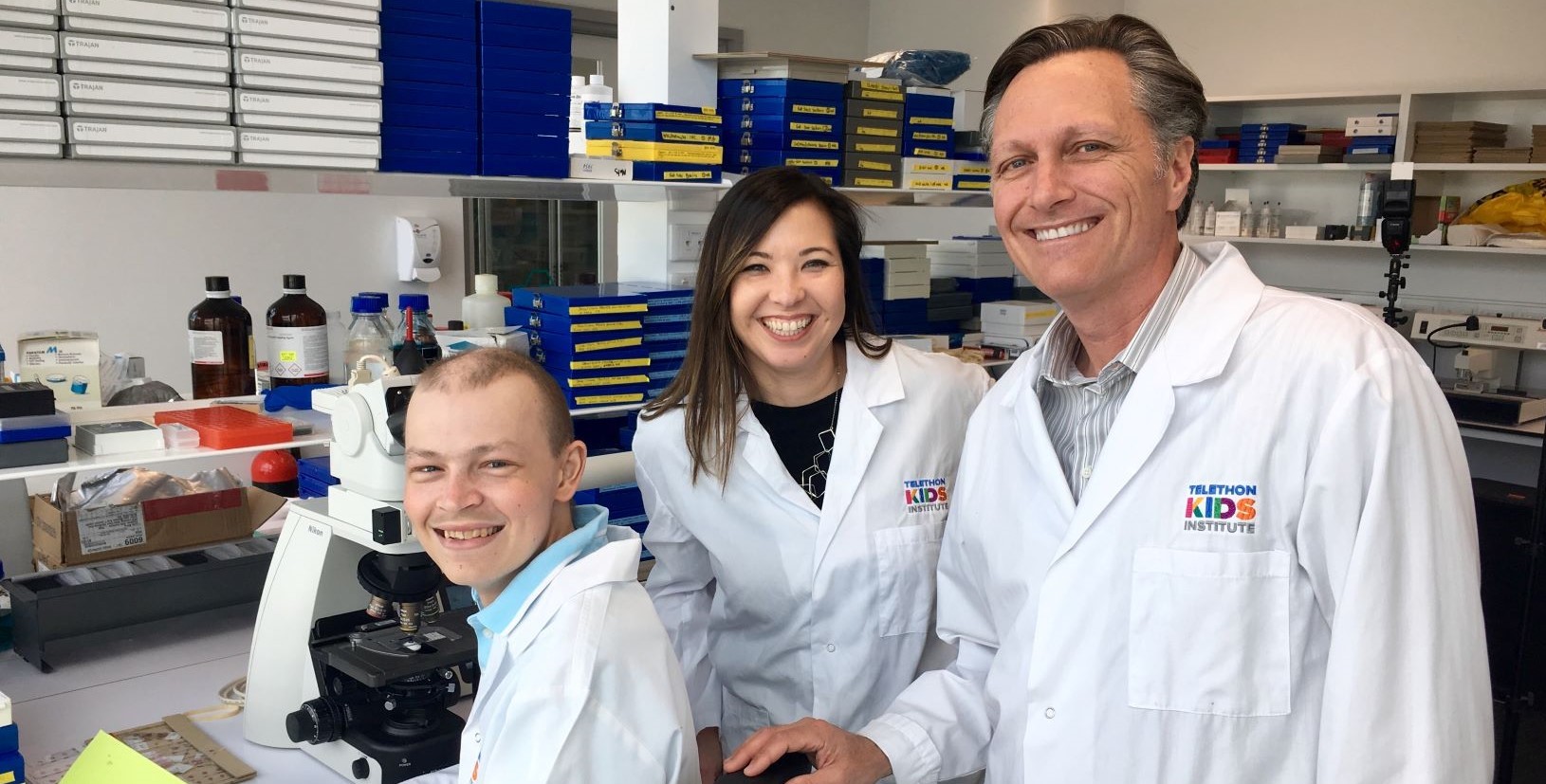
An international clinical trial led by The Kids Research Institute Australia Cancer Centre is trialling a drug which could increase cure rates for aggressive forms of childhood brain cancer.
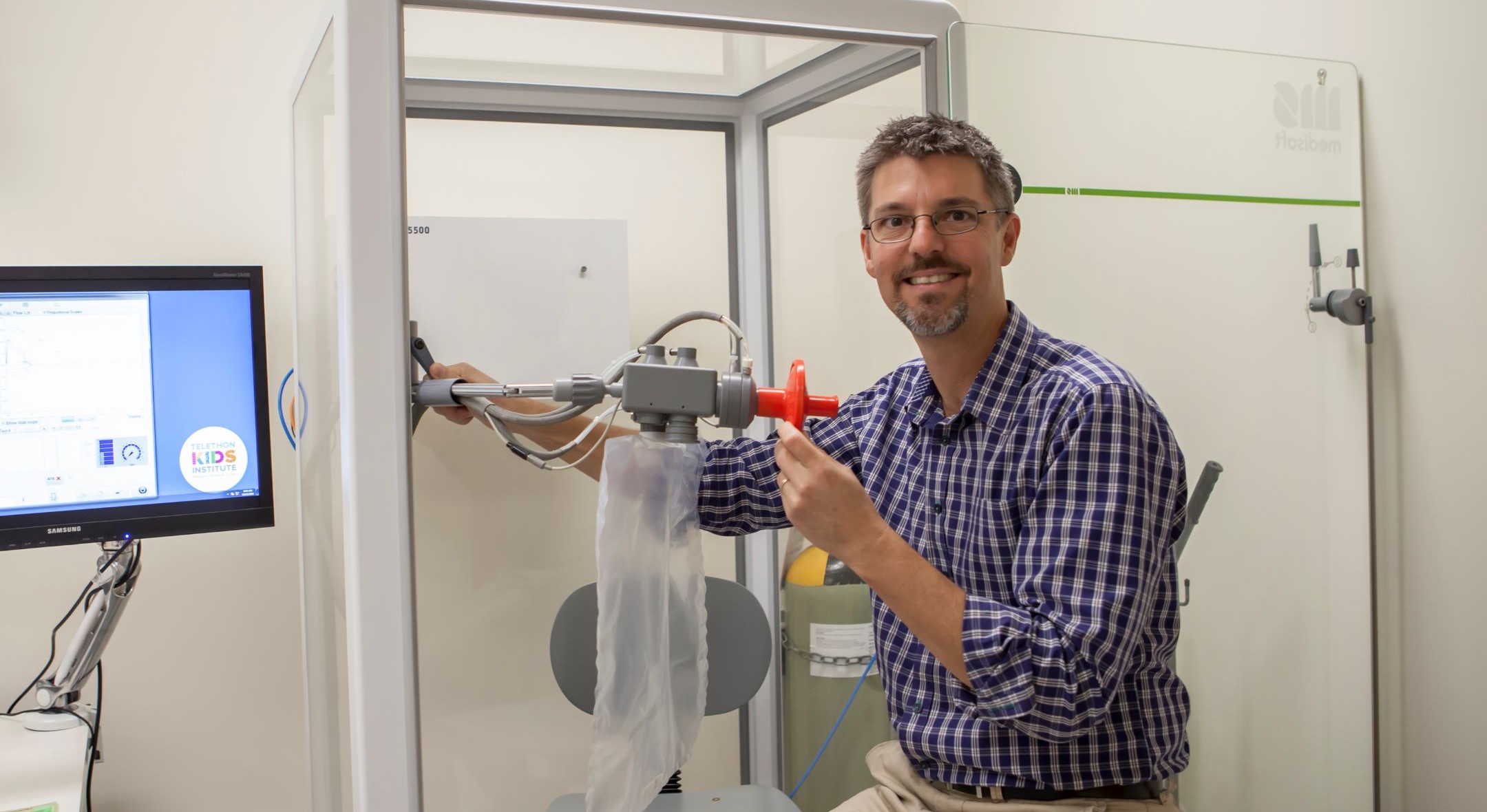
A global network of researchers and clinicians, co-led by The Kids’ Professor Graham Hall, has transformed international best practice in identifying low lung function and diagnosing and treating lung disease.
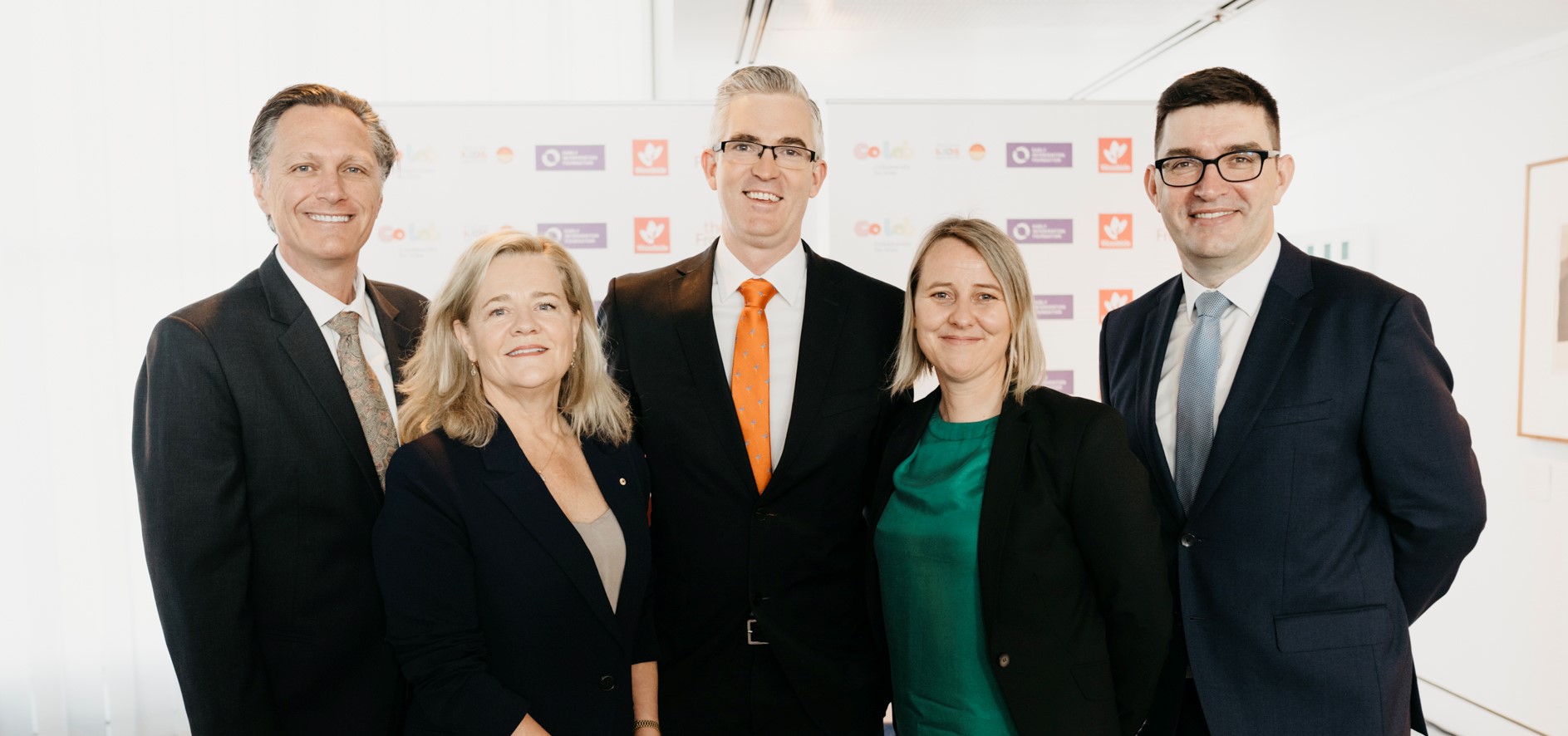
Leaders in the not-for-profit, research, philanthropy and business sectors have joined forces to shine a light on the human and economic benefits of early support for Australian children.
Research
Genomic analyses in Cornelia de Lange Syndrome and related diagnoses: Novel candidate genes, genotype–phenotype correlations and common mechanismsCornelia de Lange Syndrome (CdLS) is a rare, dominantly inherited multisystem developmental disorder characterized by highly variable manifestations of growth and developmental delays, upper limb involvement, hypertrichosis, cardiac, gastrointestinal, craniofacial, and other systemic features.
Research
Prevalence and characteristics of paediatric X-linked hypophosphataemia in Australia and New Zealand: Results from the Australian and the New Zealand Paediatric Surveillance Units surveyX-linked hypophosphataemia (XLH) is the most common heritable form of rickets. Prevalence data varies across the literature between 1 in 20,000 and 1 in 200,000 per population.
Research
Nirsevimab binding-site conservation in respiratory syncytial virus fusion glycoprotein worldwide between 1956 and 2021: an analysis of observational study sequencing dataNirsevimab is an extended half-life monoclonal antibody to the respiratory syncytial virus (RSV) fusion protein that has been developed to protect infants for an entire RSV season. Previous studies have shown that the nirsevimab binding site is highly conserved. However, investigations of the geotemporal evolution of potential escape variants in recent (ie, 2015–2021) RSV seasons have been minimal.
Research
Randomised controlled trials of behavioural nudges delivered through text messages to increase influenza and COVID-19 vaccines among pregnant women (the EPIC study): study protocolInfluenza and COVID-19 infections during pregnancy may have serious adverse consequences for women as well as their infants. However, uptake of influenza and COVID-19 vaccines during pregnancy remains suboptimal. This study aims to assess the effectiveness of a multi-component nudge intervention to improve influenza and COVID-19 vaccine uptake among pregnant women.
Research
The relationship between early adolescent cyberbullying victimization and later emotional wellbeing and academic achievementThis study addresses a knowledge gap in the literature about early adolescent cyberbullying victimization and the related positive and negative emotional wellbeing and academic achievement outcomes experienced over time.
Research
EVC-EVC2 complex stability and ciliary targeting are regulated by modification with ubiquitin and SUMOEllis van Creveld syndrome and Weyers acrofacial dysostosis are two rare genetic diseases affecting skeletal development. They are both ciliopathies, as they are due to malfunction of primary cilia, microtubule-based plasma membrane protrusions that function as cellular antennae and are required for Hedgehog signaling, a key pathway during skeletal morphogenesis.
Research
A Clinical Guide for Assessment and Prescription of Exercise and Physical Activity in Cardiac Rehabilitation. A CSANZ Position StatementPatients with cardiovascular disease benefit from cardiac rehabilitation, which includes structured exercise and physical activity as core components. This position statement provides pragmatic, evidence-based guidance for the assessment and prescription of exercise and physical activity for cardiac rehabilitation clinicians, recognising the latest international guidelines, scientific evidence and the increasing use of technology and virtual delivery methods.