
Search
The oral microbiome of breastfed infants is distinct from that of formula-fed infants. However, breastfeeding characteristics, such as time spent breastfeeding (min/24 h), breastfeeding frequency (number of breastfeeds per day), and human milk intake (ml/day) vary significantly between breastfeeding dyads.
A wide spectrum of high-risk factors in pregnancy can lead to adverse pregnancy outcomes or short- or long-term health effects. Despite this, there has been no synthesis of findings on the measurement, potential causes, and health outcomes of multiple high-risk factors in pregnancy. We aimed to address this gap by summarising the existing research on this topic.
Aim: To: (1) develop a core outcome set (COS) to assess chronic pain interference and impact on emotional functioning for children and young people with cerebral palsy (CP) with varying communication, cognitive, and functional abilities; (2) categorize the assessment tools according to reporting method or observer-reported outcome measures; and (3) categorize the content of tools in the COS according to the International Classification of Functioning, Disability and Health (ICF).
Childhood renal masses comprise a heterogeneous group of conditions that have a wide range of presentations. This review outlines an approach to the diagnostic work-up of childhood renal masses and discusses the most common presentations and treatments. Renal tumours make up 5% of childhood cancer in Australia, with Wilms tumour being the most common under age 10 years.
Emerging evidence indicates that interactions between bacteria shape the nasopharyngeal microbiome and influence respiratory health. This Review uses the systematic scoping methodology to summarise 88 studies including observational and experimental studies, identifying key interactions between bacteria that colonise the human nasopharynx.
Citation: Yap M, Weston S, McKinnon E, Sadler G. Rural Exposure and Future Intent of Australian Dermatology Trainees. Australas J Dermatol. 2025.
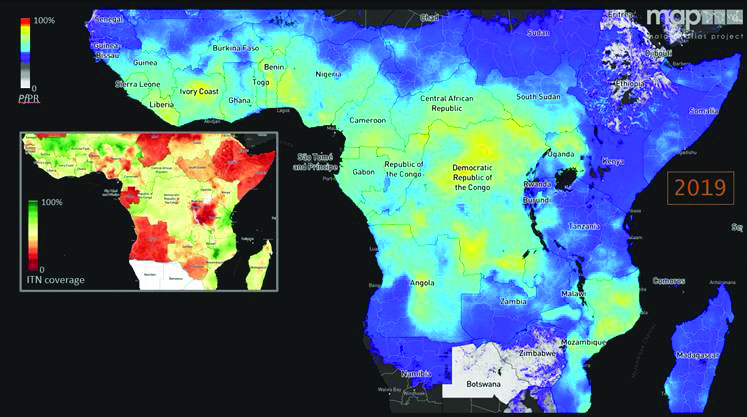
A global network of researchers led by Kerry M Stokes Chair of Child Health, Professor Pete Gething, is working to help support informed decision-making for malaria control at international, regional and national scales.
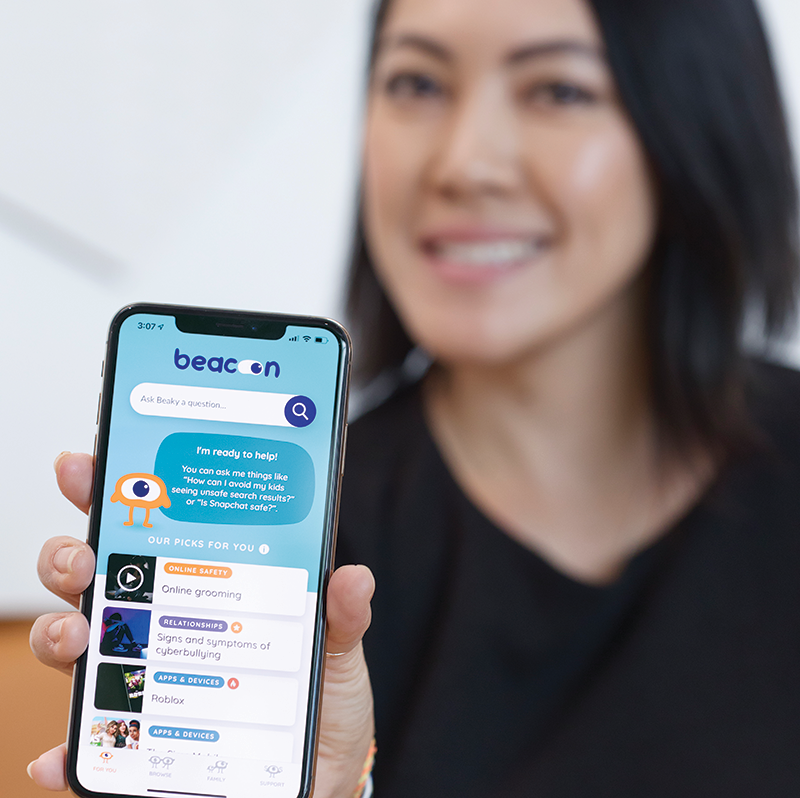
Parents, carers and educators have embraced an innovative tool in the battle to keep kids safe online - Beacon, an Australia-first, evidence-based cyber safety app.
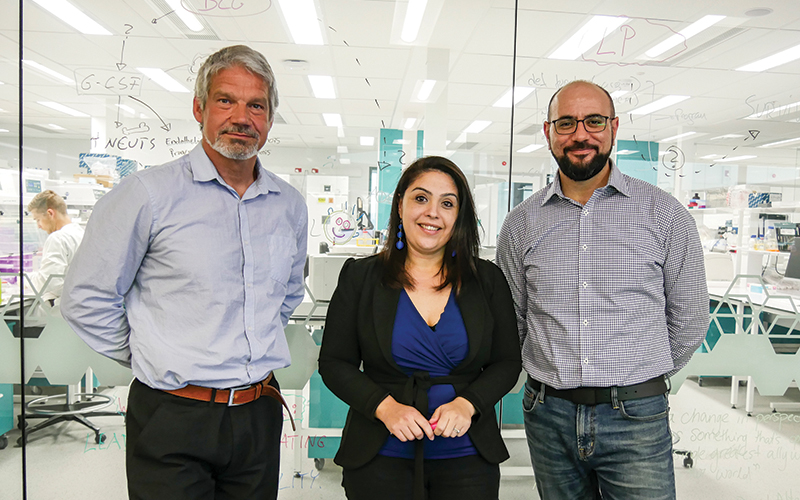
Running any research project is a feat of logistical gymnastics – and often, you don’t know what can go wrong until it happens.
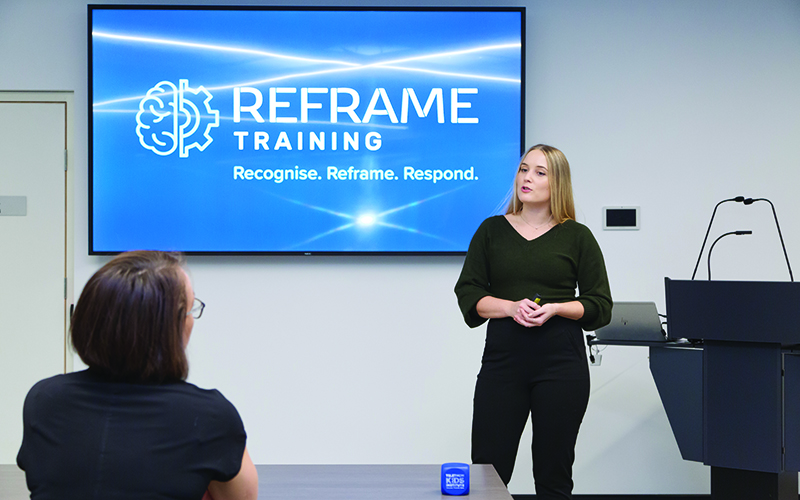
Findings from the Banksia Hill Project revealed 89% of young people in detention who were assessed as part of the project had at least one form of severe neurodevelopmental impairment.