
Search
Search Giving at The Kids.
The Journey Together initiative aims to improve the life trajectories for Aboriginal children across three sites in Western Australia – Port Hedland, Newman and Perth.
Mailing list Discover. Prevent. Cure. Discover. Prevent. Cure. Mailing list Be Inspired About The Kids About The Kids Be Inspired Join thousands of
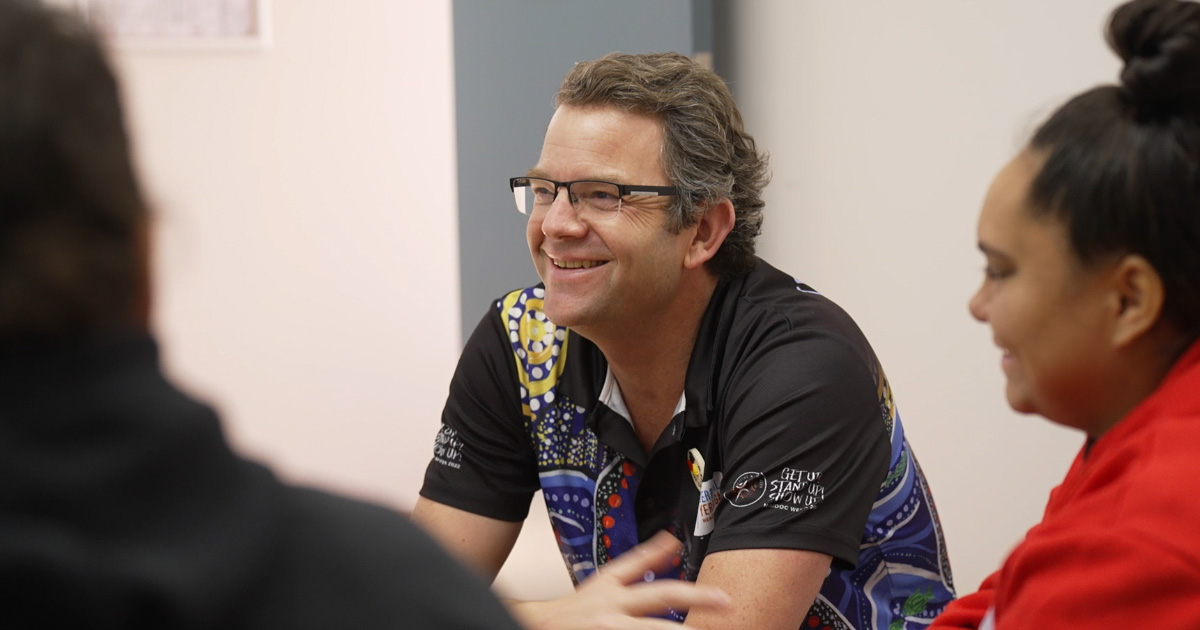
Derbarl Yerrigan Health Service (DYHS) has developed a holistic paediatric service unit anchored in primary health care and underpinned by care coordination provided by an experienced nurse and multi-disciplinary team.
Research
Sex-specific placental transcriptome alterations in late-onset preeclampsia reveal male-biased immune and metabolic dysregulationPreeclampsia is a hypertensive disorder of pregnancy with major maternal and fetal consequences. While the molecular basis of early-onset preeclampsia is well studied, the mechanisms underlying late-onset disease-and how they differ by fetal sex-remain poorly understood. Placental transcriptomic profiling at term can reveal persistent molecular alterations reflecting cumulative disease processes.
Research
The longitudinal network of social and emotional development in middle childhoodThe understanding of children's social and emotional development in middle childhood is critical to promote well-being throughout the life course. Children who fail to develop social and emotional competencies are more likely to experience difficulties in adulthood and, in the worst case, psychopathology. The current study will employ Cross-Lagged Network Models to investigate children's social and emotional development among Australian children aged 6 to 10 years.
Research
General Movement Optimality Score-Revised (GMOS-R) with General Population-Based Percentile RanksTo describe writhing General Movements Assessment (GMA) classification and General Movement Optimality Score-Revised (GMOS-R) profiles in the general population; to explore relationships between GMOS-R scores and GMA classification, age of assessment and infant socio-demographic factors; and to establish the inter-rater reproducibility of writhing age GMA classification and GMOS-R.