
Search
News & Events
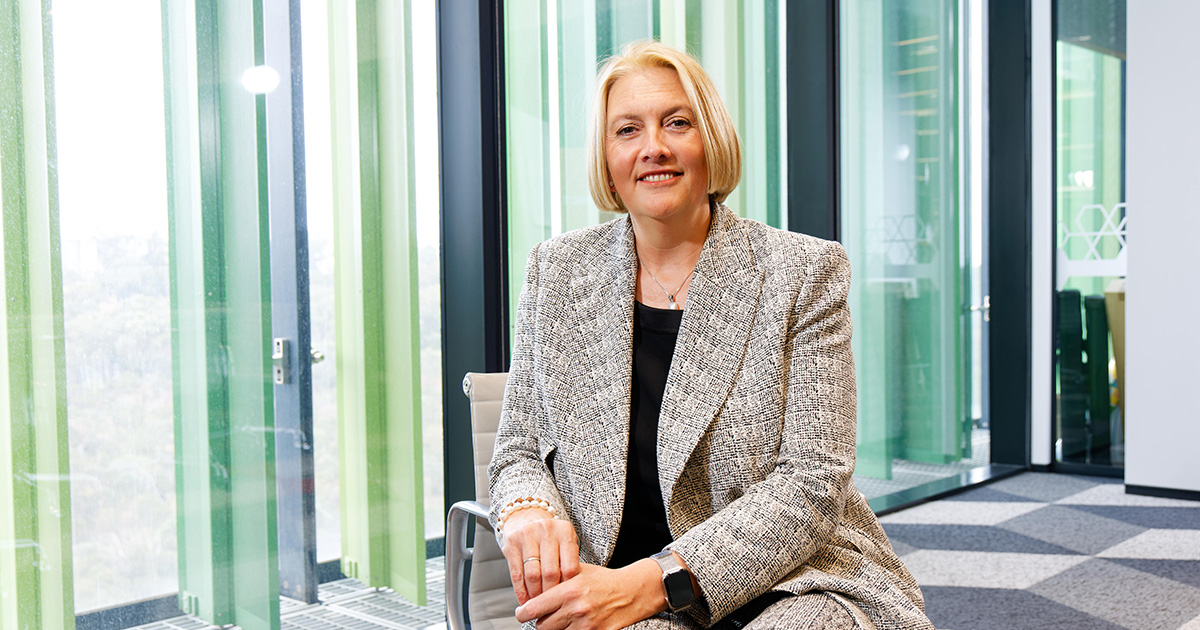
New Chair for The Kids Research Institute AustraliaBusiness leader Naomi Flutter has been appointed Chair of The Kids Research Institute Australia.
News & Events
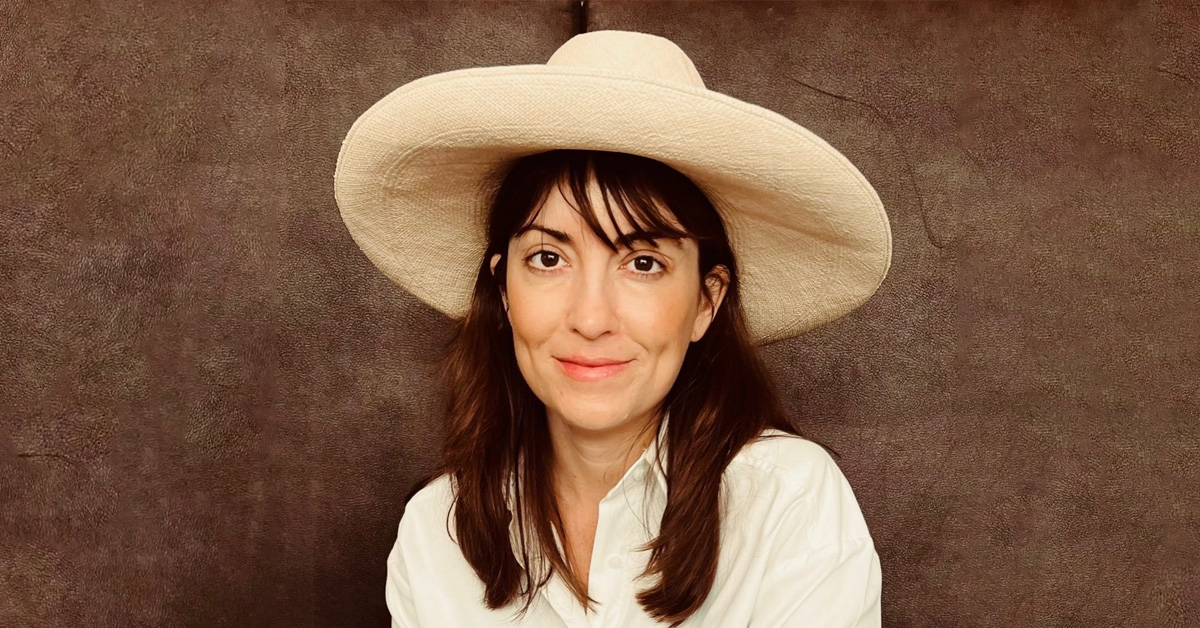
The Kids researcher joins global program to enhance mental health of bubsA The Kids Research Institute Australia researcher whose work focuses on the mental health of babies and young children has been chosen from a global field to become one of 20 new Zero to Three Fellows.
News & Events
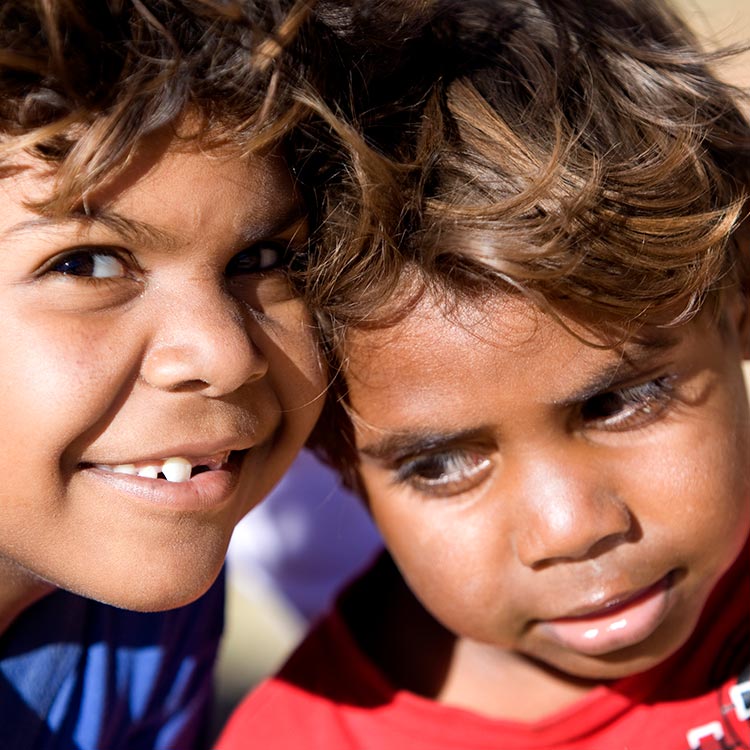
Rich data to highlight crucial turning points for intervention to close the gap in Aboriginal healthA multi-disciplinary team of researchers will use more than 40 years of data to pinpoint crucial areas that could be “turning points” in development where intervention could contribute to closing the gap in Aboriginal health in Australia.
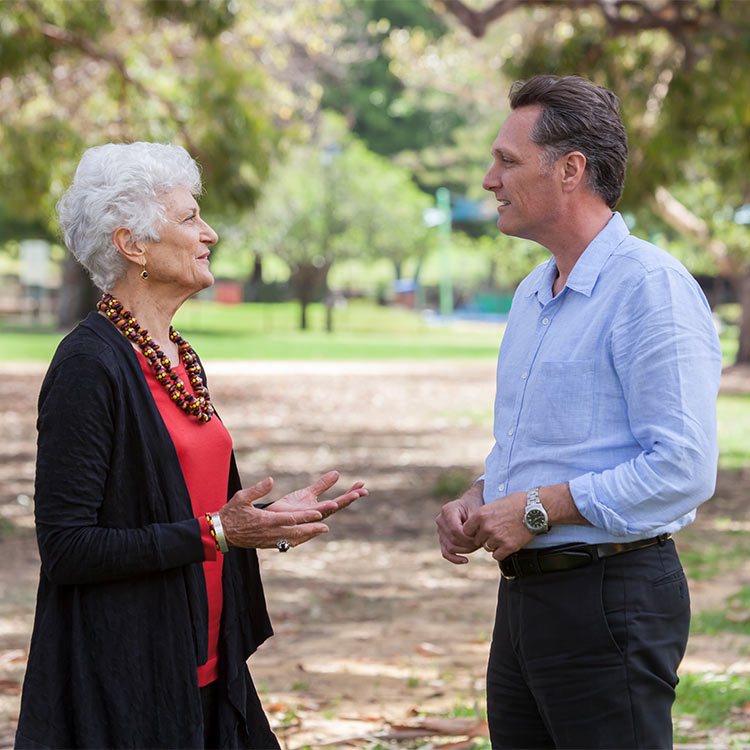
A letter to the WA public from Jonathan Carapetis and Fiona Stanley.
Engaging the community in COVID-19 rapid research
The research that is reducing the impact on families done by The Kids Research Institute Australia.
Research
Nonchromosomal birth defects and risk of childhood acute leukemia: An assessment in 15 000 leukemia cases and 46 000 controls from the Childhood Cancer and Leukemia International ConsortiumAlthough recent studies have demonstrated associations between nonchromosomal birth defects and several pediatric cancers, less is known about their role on childhood leukemia susceptibility. Using data from the Childhood Cancer and Leukemia International Consortium, we evaluated associations between nonchromosomal birth defects and childhood leukemia.
Research
West Australian parents’ views on vaccinating their children against COVID-19: a qualitative studyAustralian children and adolescents were among the last local cohorts offered COVID-19 vaccines. Despite promising initial uptake, coverage subsequently plateaued, requiring further efforts to improve access and build parents’ recognition of the importance of COVID-19 vaccination.
Research
Intake of polyphenols from cereal foods and colorectal cancer risk in the Melbourne Collaborative Cohort StudyCereal-derived polyphenols have demonstrated protective mechanisms in colorectal cancer (CRC) models; however, confirmation in human studies is lacking. Therefore, this study examined the association between cereal polyphenol intakes and CRC risk in the Melbourne Collaborative Cohort Study (MCCS), a prospective cohort study in Melbourne, Australia that recruited participants between 1990 and 1994 to investigate diet-disease relationships.
Research
In Vivo Evidence of Respiratory Syncytial Virus Persistence in a Subset of Pulmonary Dendritic Cells Following a Primary InfectionRespiratory syncytial virus (RSV) causes annual epidemics of infections affecting the whole population. In vitro, it has been shown to infect and persist in human dendritic cells (DCs) for prolonged periods. Initially persistence is associated with low levels of replication before the virus becomes dormant. Reactivation of viral replication can be triggered many months later.