
Search
Research
Lentiviral vector gene therapy and CFTR modulators show comparable effectiveness in cystic fibrosis rat airway modelsMutation-agnostic treatments such as airway gene therapy have the potential to treat any individual with cystic fibrosis (CF), irrespective of their CF transmembrane conductance regulator (CFTR) gene variants. The aim of this study was to employ two CF rat models, Phe508del and CFTR knockout to assess the comparative effectiveness of CFTR modulators and lentiviral vector-mediated gene therapy.
Research
Local therapy with combination TLR agonists stimulates systemic anti-tumor immunity and sensitizes tumors to immune checkpoint blockadeW. Joost Ben Lizeth Rachael Tao Omar Lesterhuis Wylie Orozco Morales Zemek Wang Elaskalani BSc PhD BSc, MSc, PhD BSc (Hons), PhD PhD BSc, MSc, PhD
Research
Aboriginal and Torres Strait Islander Attitudes to Organ Donation in Central Australia: A Qualitative Pilot StudyOrgan transplantation is a well-established intervention but is reliant on the donation of organs and tissues, mostly from deceased donors. The proportion of Australians proceeding to organ donation (OD) has increased, but the proportion of Indigenous Australians proceeding remains two-thirds that of non-Indigenous Australians. We sought to explore perceived barriers and enablers for the involvement of Indigenous peoples in the OD process.
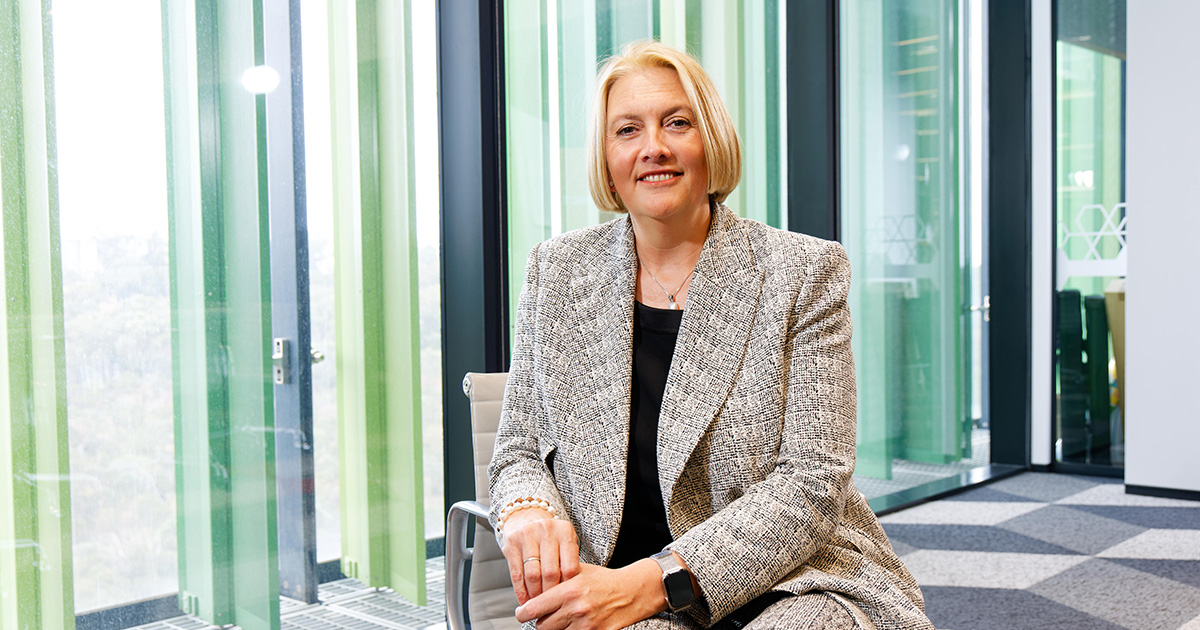
News & Events
New Chair for The Kids Research Institute AustraliaBusiness leader Naomi Flutter has been appointed Chair of The Kids Research Institute Australia.
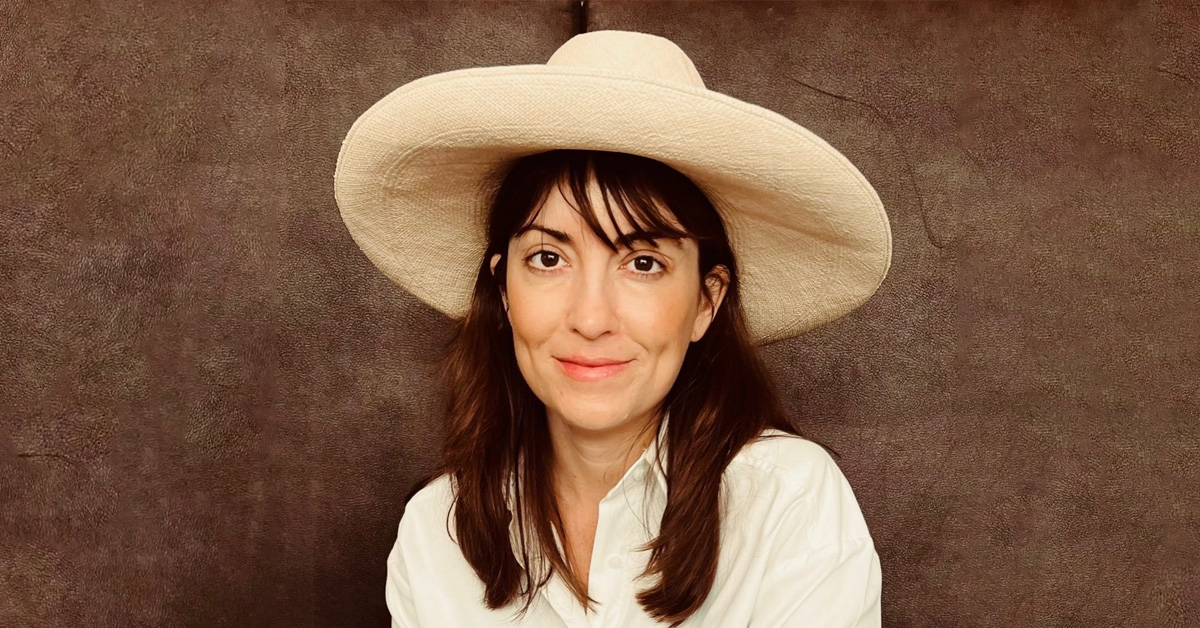
News & Events
The Kids researcher joins global program to enhance mental health of bubsA The Kids Research Institute Australia researcher whose work focuses on the mental health of babies and young children has been chosen from a global field to become one of 20 new Zero to Three Fellows.
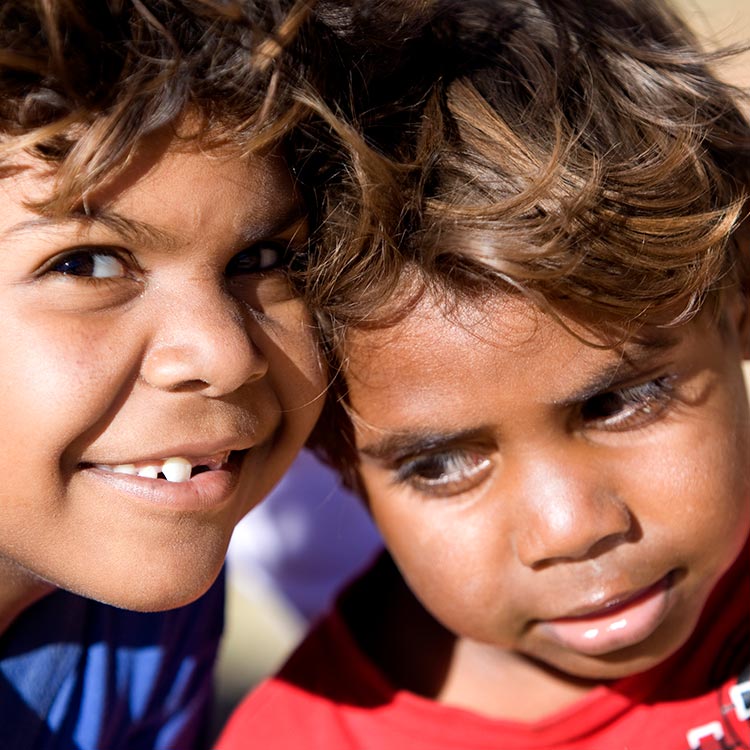
News & Events
Rich data to highlight crucial turning points for intervention to close the gap in Aboriginal healthA multi-disciplinary team of researchers will use more than 40 years of data to pinpoint crucial areas that could be “turning points” in development where intervention could contribute to closing the gap in Aboriginal health in Australia.
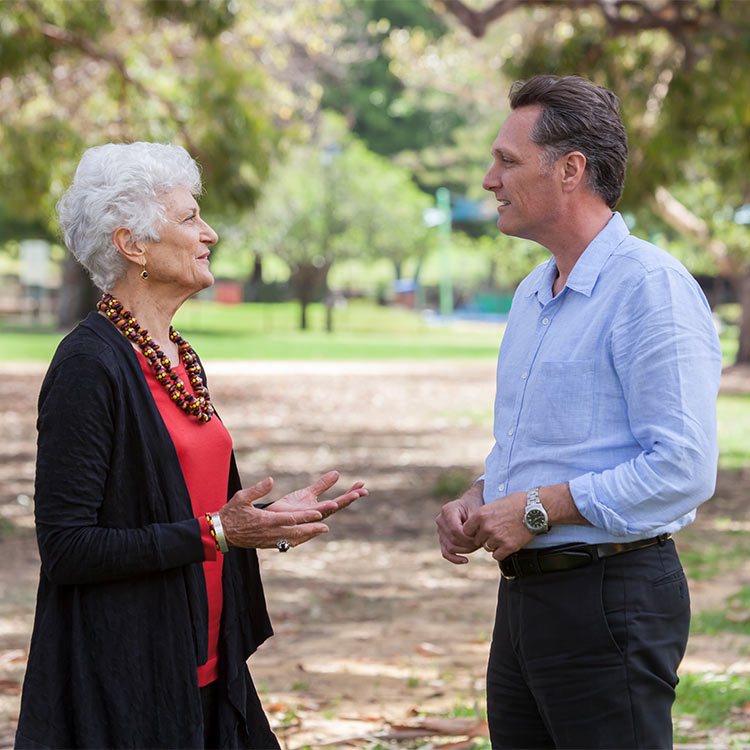
A letter to the WA public from Jonathan Carapetis and Fiona Stanley.
Engaging the community in COVID-19 rapid research
The research that is reducing the impact on families done by The Kids Research Institute Australia.
Research
Nonchromosomal birth defects and risk of childhood acute leukemia: An assessment in 15 000 leukemia cases and 46 000 controls from the Childhood Cancer and Leukemia International ConsortiumAlthough recent studies have demonstrated associations between nonchromosomal birth defects and several pediatric cancers, less is known about their role on childhood leukemia susceptibility. Using data from the Childhood Cancer and Leukemia International Consortium, we evaluated associations between nonchromosomal birth defects and childhood leukemia.