
Search

The Kids Research Institute Australia and The University of Western Australia researchers have been awarded more than $1 million in funding from Healthway, for projects to improve the mental health of LGBTQA+ young people, encourage early physical activity in childcare centres and create healthier local environme
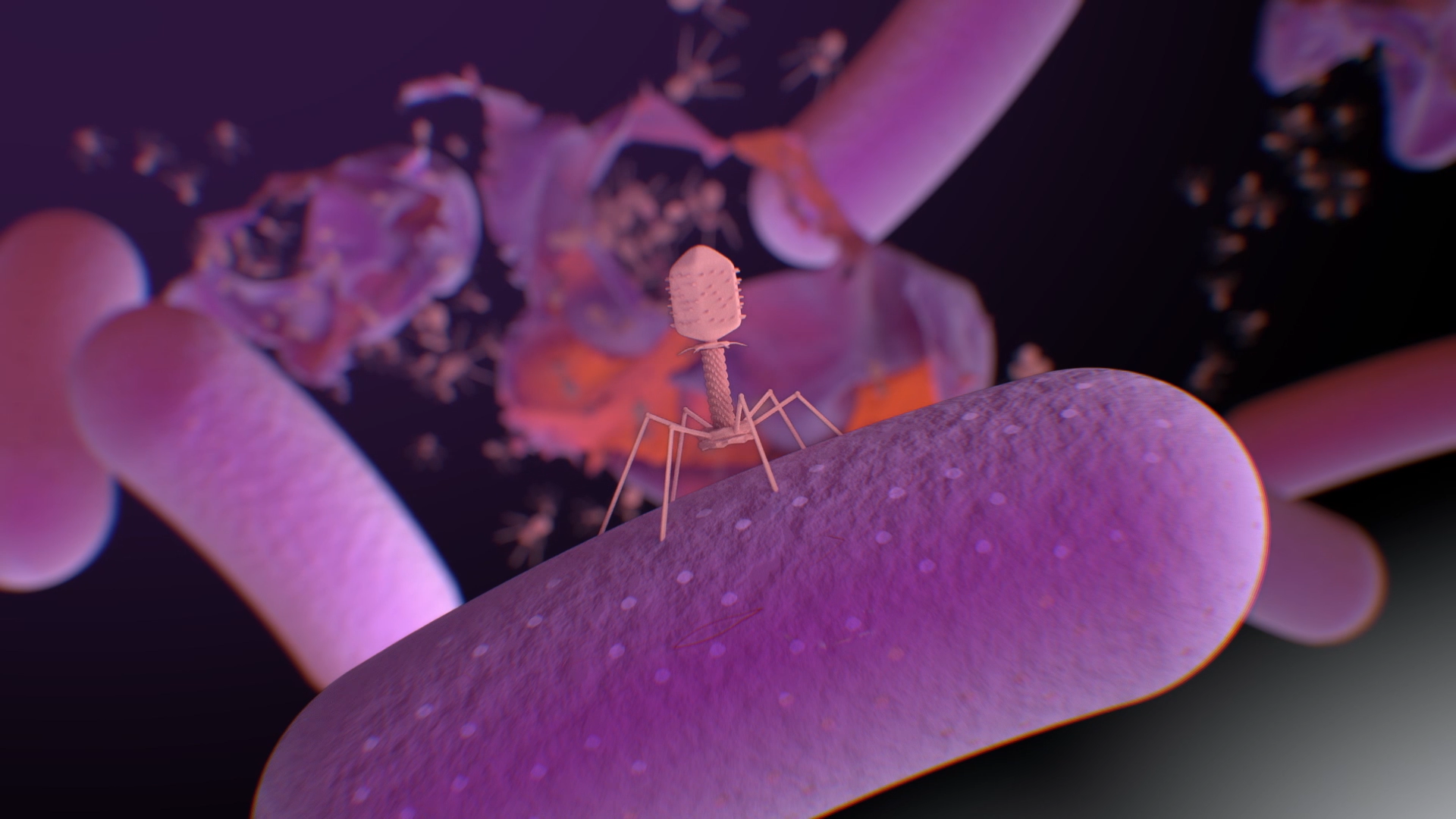
Leading the fight against Antimicrobial Resistance (AMR) in Western Australia.
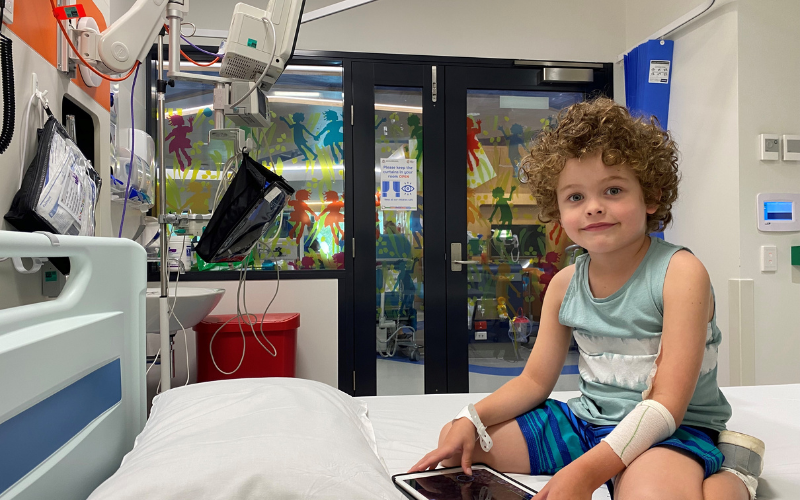
Access to phage therapy, a treatment option for antibiotic resistant superbugs, is now one step closer for people with CF in WA thanks to a $500,000 donation from Conquer Cystic Fibrosis to the Wal-yan Respiratory Research Centre.

Wal-yan researchers have been awarded $500,000 for their innovative research, supported by the Western Australian Government’s Future Health Medical Research and Innovation (FHRI) Fund.
The key projects undertaken at Wal-yan Respiratory Research Centre.
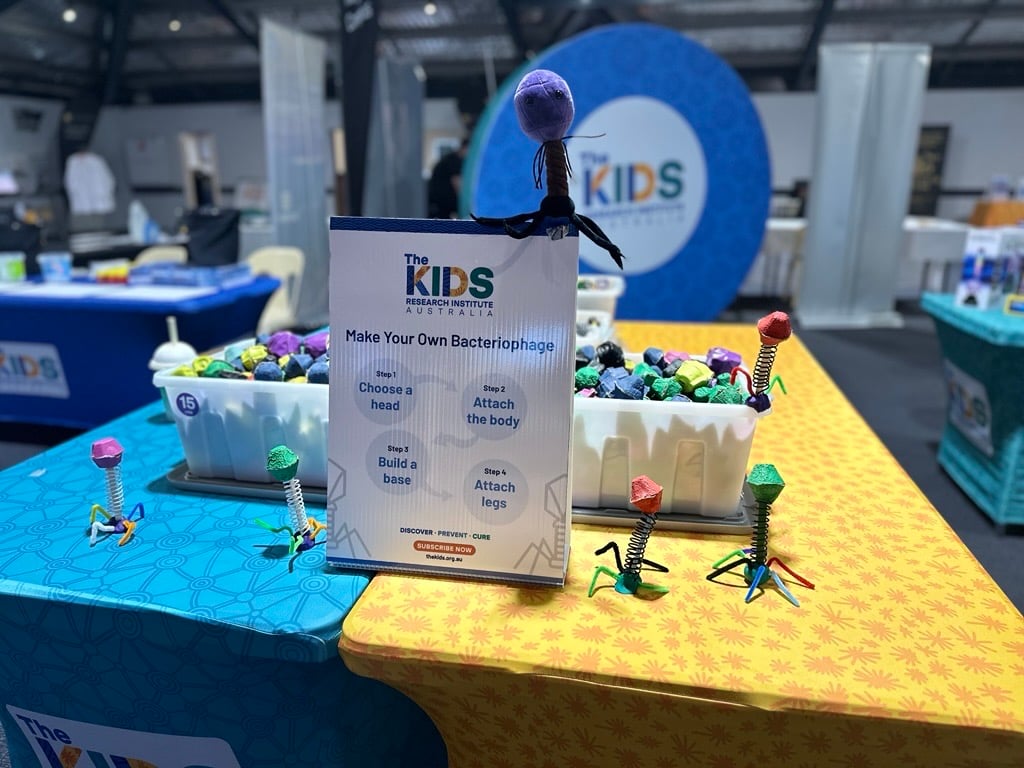
Associate Professor Anthony Kicic is working alongside local Indigenous communities to search land and water for naturally occurring bacteriophages.
Pulmonary bacterial infections present a significant health risk to those with chronic respiratory diseases including cystic fibrosis and chronic-obstructive pulmonary disease. With the emergence of antimicrobial resistance, novel therapeutics are desperately needed to combat the emergence of resistant superbugs.
Aspergillus is increasingly associated with lung inflammation and mucus plugging in early cystic fibrosis disease during which conidia burden is low and strains appear to be highly diverse. It is unknown whether clinical Aspergillus strains vary in their capacity to induce epithelial inflammation and mucus production.
Persistent respiratory bacterial infections are a clinical burden in several chronic inflammatory airway diseases and are often associated with neutrophil infiltration into the lungs. Following recruitment, dysregulated neutrophil effector functions such as increased granule release and formation of neutrophil extracellular traps (NETs) result in damage to airway tissue, contributing to the progression of lung disease.
Bacteriophage (phage) propagation has traditionally relied on bacterial culture media containing animal-derived ingredients; however, safety concerns with animal-derived materials for production of phages for therapeutic use limit their acceptability. We compared animal-free and traditional media formulations, and evaluated effects on phage yield, bactericidal activity, and genomic characteristics, hypothesizing no significant differences would be observed.