
Search
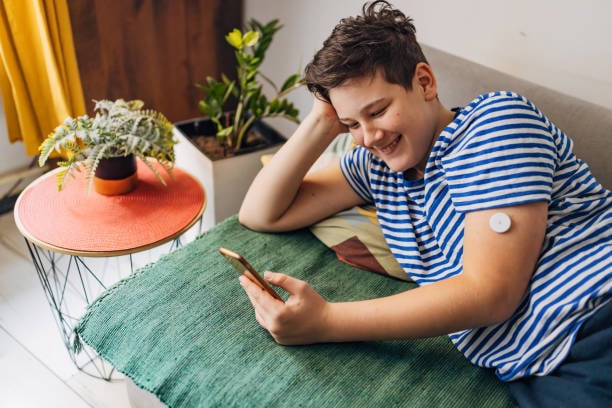
The advancement of technology to assist the daily routine of diabetes is extremely helpful. However, it is important to create clear boundaries in the use of technology. Our social work team have some great tips to set up healthy routines.
We’ve linked some helpful resources to assist you in your journey to healthy screen time habits in and outside of your household.

Anti-bullying organisation Dolly’s Dream has partnered with The Kids Research Institute Australia to get Beacon, the free cyber safety app, into the hands of parents and carers across the nation.
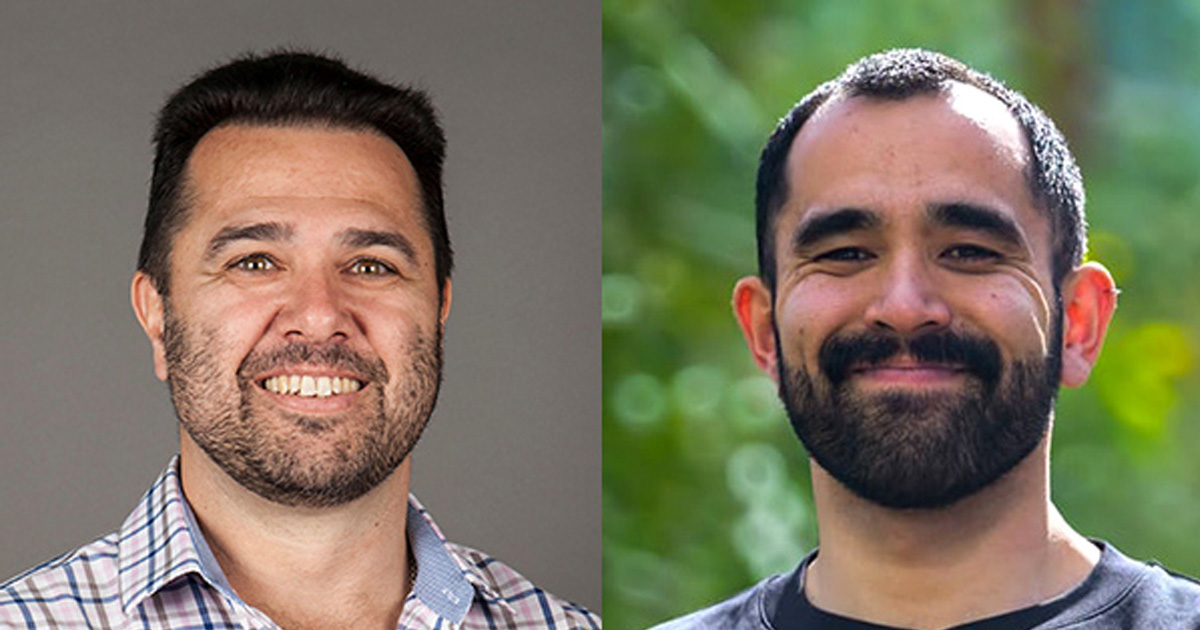
Researchers at The Kids Research Institute Australia are working with boys and young men in regional areas to help stamp out technology-based abuse of girls and young women.
Mobile phones are an important part of diabetes management but its also important to set some family rules for your child's technology use.
Welcome to the home of Giving at The Kids, where you are valued for your generous gifts that help kids be healthy and happy.
We rely on the support of donors & fundraisers to be able to conduct the life changing pediatric research we do on a day-to-day basis. Will you help?
Australia’s leading source of evidence dedicated to reducing prenatal alcohol exposure and promoting optimal outcomes for people with fetal alcohol spectrum disorder (FASD).
A new national network will be established to advance the benefits from Genomic Medicine for Aboriginal and Torres Strait Islander people living in Australia.

Resonance Health Ltd is pleased to announce that it has entered into a licence agreement with The Kids Research Institute Australia and the Erasmus University Medical Centre.