
Search
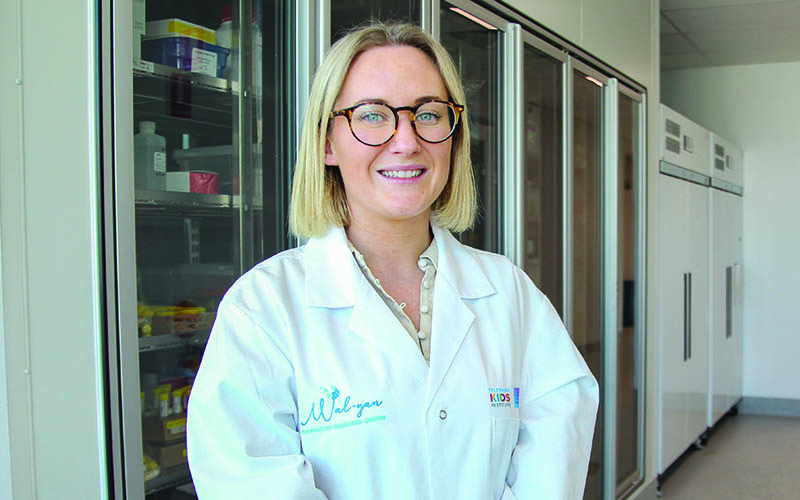
Researchers have made a world-first discovery on how to prevent severe respiratory infections in babies.
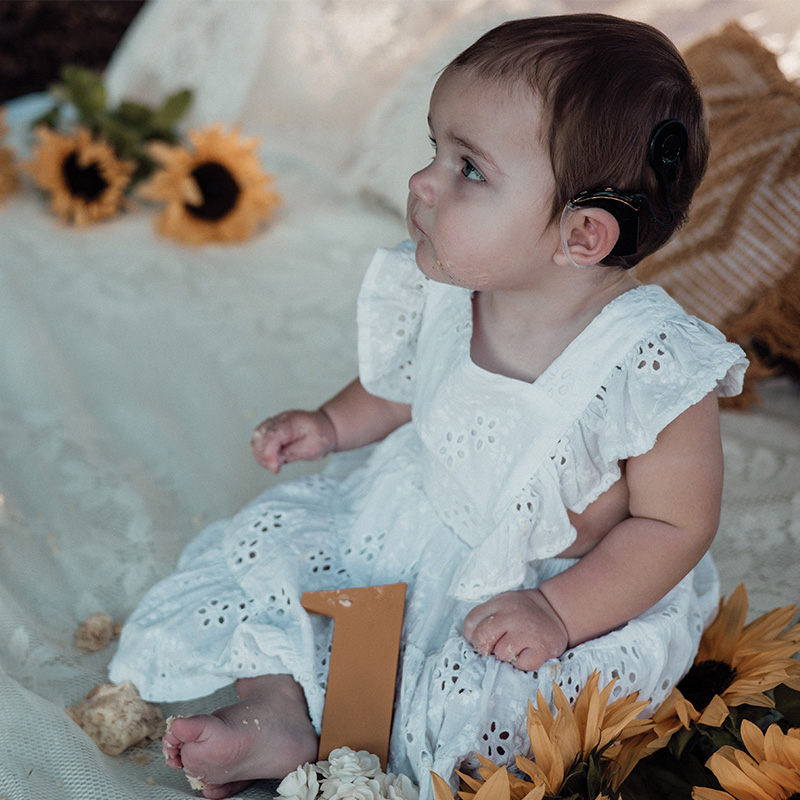
When Perth mum Lacy Swan’s daughter Charlotte failed the newborn hearing test at 3 days of age, the medical team explained it could simply be due to fluid on the ears.
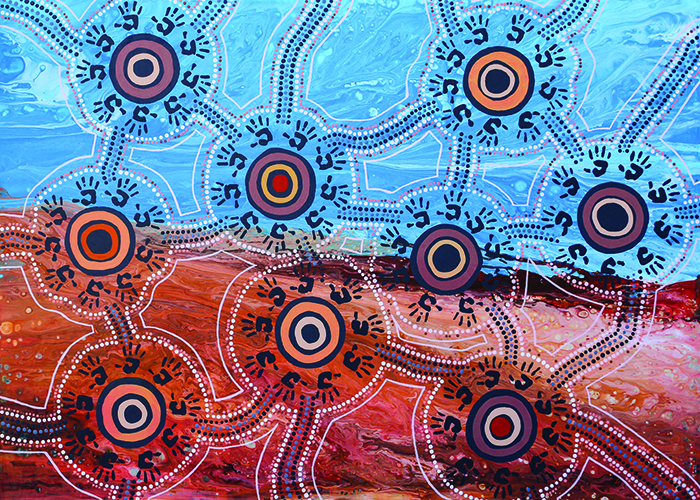
More than 3,000 skin checks have been undertaken as part of a large clinical trial in WA’s Kimberley region aimed at halving the burden of skin sores in school-aged Aboriginal children.

Young people and their families have teamed up with youth mental health providers and researchers to deliver a report which tackles youth suicide in WA.
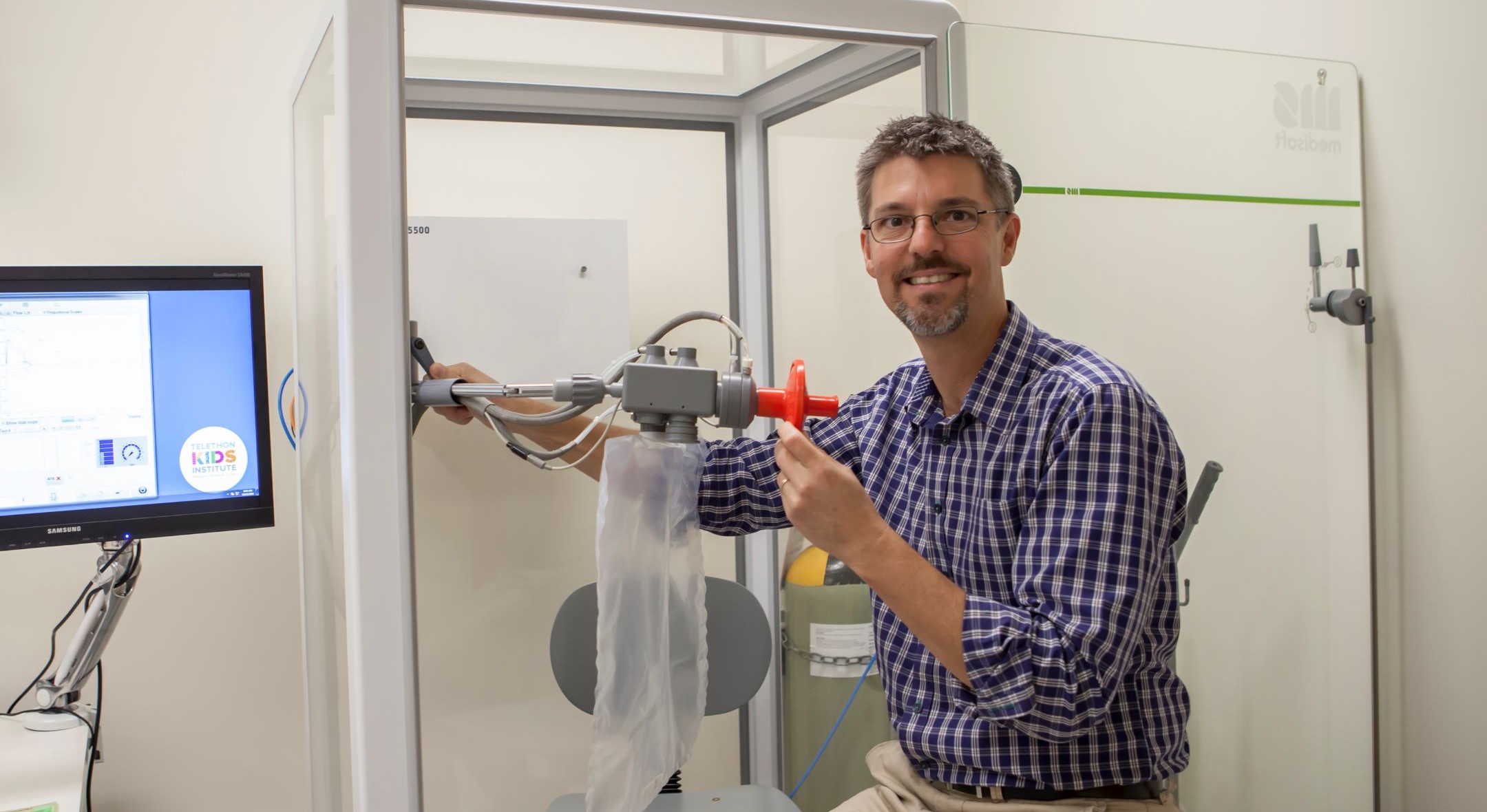
A global network of researchers and clinicians, co-led by The Kids’ Professor Graham Hall, has transformed international best practice in identifying low lung function and diagnosing and treating lung disease.

Discover more about Telethon Kids Institute research.
Research
Down SyndromeDown syndrome, also known as Trisomy 21, is one of the most common chromosome abnormalities in humans. It occurs when a child's cells end up with 47 chromosomes instead of the usual 46. Down syndrome causes intellectual disability and other physical and learning challenges.
Research
‘People don't trust those pieces of paper that are provided’: A qualitative study of cultural planning and outsourced out-of-home care services in Western AustraliaAboriginal and Torres Strait Islander children continue to be removed at high rates from their families by child protection services, placing them at elevated risk of adverse long-term life outcomes. Cultural connection in out-of-home care is essential for mitigating the impacts of trauma from removal, emphasizing the importance of ensuring that cultural planning is rigorously undertaken. This article explores the provision of cultural plans in an era where out-of-home care services are outsourced by government, but where government holds onto the responsibility for developing cultural plans for children in care.
Research
Atopy-related immune profiles are subject to genetic influence as evaluated using school-aged twin pairsThe interaction of genetic and environmental contributions to immunological traits and their association with atopic disease remain unclear. Flow cytometry and in vitro cytokine responses were used to characterize immune profiles from 93 school-aged twin pairs. Using an established twin pair analytical strategy, the genetic and environmental influences on immunological traits were evaluated, along with their association with atopy. Our findings suggest strong genetic influence on several traits, particularly B cell abundance. In contrast, cytokine responses from in vitro stimulations appeared mainly shaped by environmental exposures.
Research
Parents’ Disclosure of Their Child’s Health and Neurodevelopmental Conditions: A Systematic Review and Qualitative MetasynthesisParents of children with physical/mental health and/or neurodevelopmental conditions often need to make disclosure decisions for their child. Disclosure can bring benefits (e.g., support) but can also risk harm (e.g., stigma). This systematic review aimed to consolidate research regarding parents' disclosure experiences to better understand how to support parents during this process.