
Search

Five years of intensive collaboration between researchers, clinicians, Aboriginal Community Controlled Health Organisations, and government and non-government organisations have finally put the long-fought for goal of ending RHD within reach.
News & Events
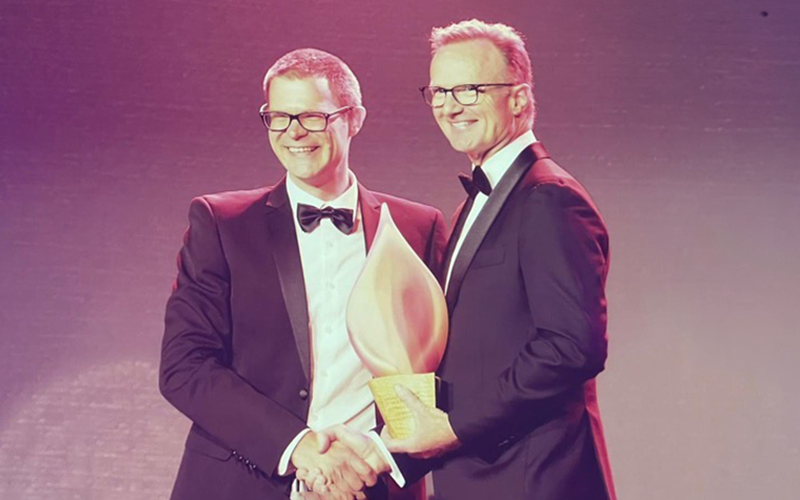
Renowned Autism Researcher named Western Australian of the YearAutism researcher Professor Andrew Whitehouse has been named this year’s Western Australian of the Year in the HBF Professions category.
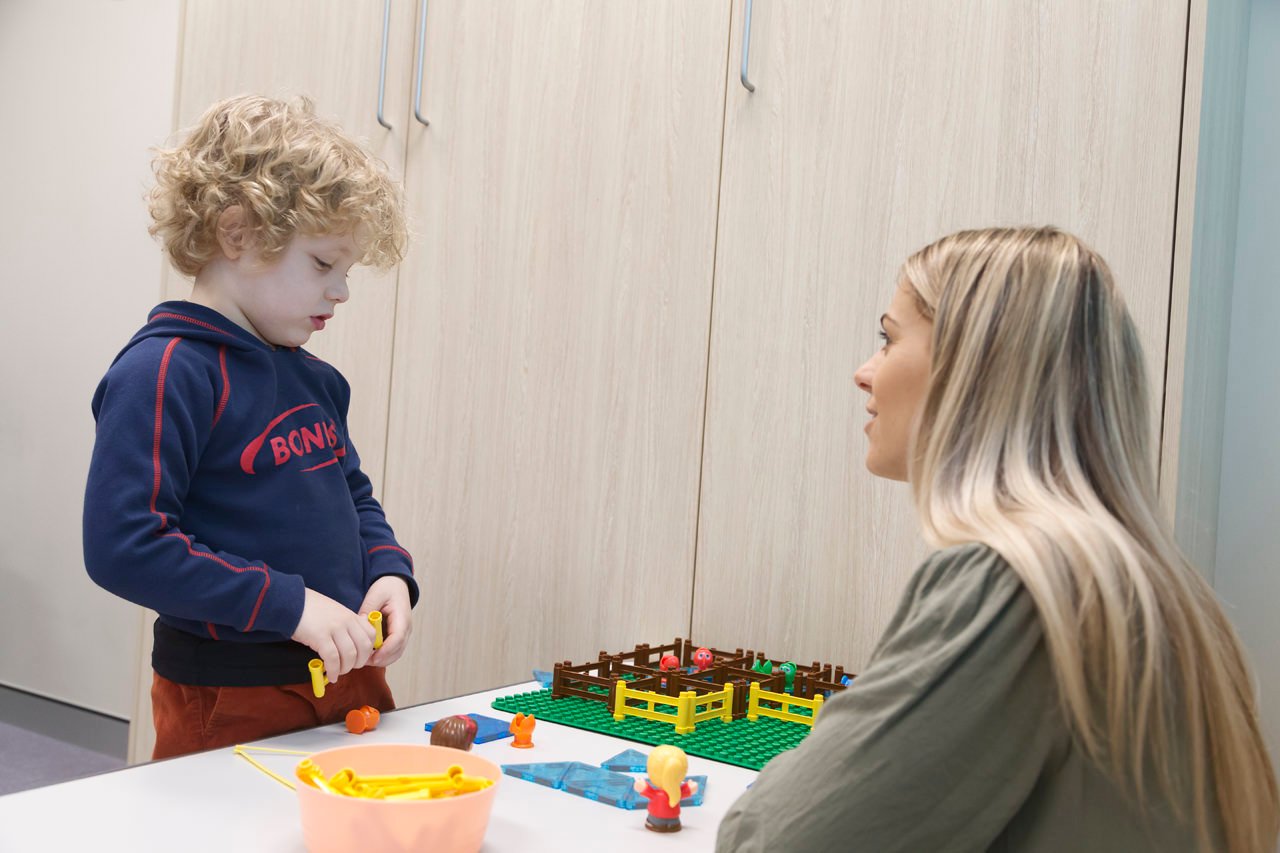
CliniKids is putting the ‘evidence’ in evidence-based practice by providing families access to the best scientific-backed therapies as quickly as possible so that all autistic children have the chance to reach their full potential.


News & Events
Clinic news update - December 2024There is lots of news to report from the clinic including holiday shutdown dates, staff updates and service availability.
News & Events
Communication toolsFor Speech Pathology Week, we asked our speech pathologists to share their favourite resource/s and how they like to use it.
Find out more about Paediatric Autism Communication Therapy training for allied health and autism professionals at CliniKids.
Research
Evidence that infant and early childhood developmental impairments are associated with hallucinatory experiences: Results from a large, population-based cohort studyCognitive and motor dysfunction are hallmark features of the psychosis continuum, and have been detected during late childhood and adolescence in youth who report psychotic experiences (PE). However, previous investigations have not explored infancy and early childhood development.
Research
Utilising Behavioural and Sensory Profiles and Associated Perinatal Factors to Identify Meaningful Subgroups in Autism Spectrum DisorderThe heterogeneity of autism spectrum disorder clinically and aetiologically hinders intervention matching and prediction of outcomes. This study investigated if the behavioural, sensory, and perinatal factor profiles of autistic children could be used to identify distinct subgroups. Participants on the autism spectrum aged 2 to 17 years and their families were sourced via the Australian Autism Biobank.
Research
The valence-specific empathy imbalance hypothesis of autism: The role of autistic traits, alexithymia, emotion dysregulation, and gender differencesIndividuals exhibiting pronounced autistic traits (e.g., social differences and specialised interests) may struggle with cognitive empathy (i.e., the ability to infer others' emotions), although the relationship with affective empathy (i.e., the ability to share others' emotions) is less clear in that higher levels of autistic traits may be linked with increased affective empathy for negative emotions but reduced affective empathy for positive emotions. The current study investigates this empathy profile and whether alexithymia and emotion dysregulation help to explain it.