
Search

Young people and their families have teamed up with youth mental health providers and researchers to deliver a report which tackles youth suicide in WA.

Five years of intensive collaboration between researchers, clinicians, Aboriginal Community Controlled Health Organisations, and government and non-government organisations have finally put the long-fought for goal of ending RHD within reach.
Assisted reproductive technologies (ART) cover a range of methods used to help couples with fertility problems achieve pregnancy, including in-vitro fertilisation (IVF).
Attention deficit hyperactivity disorder (ADHD) is the most commonly diagnosed childhood mental health disorder, affecting about 1 in 20 children. It can impact their behaviour, learning and social skills.
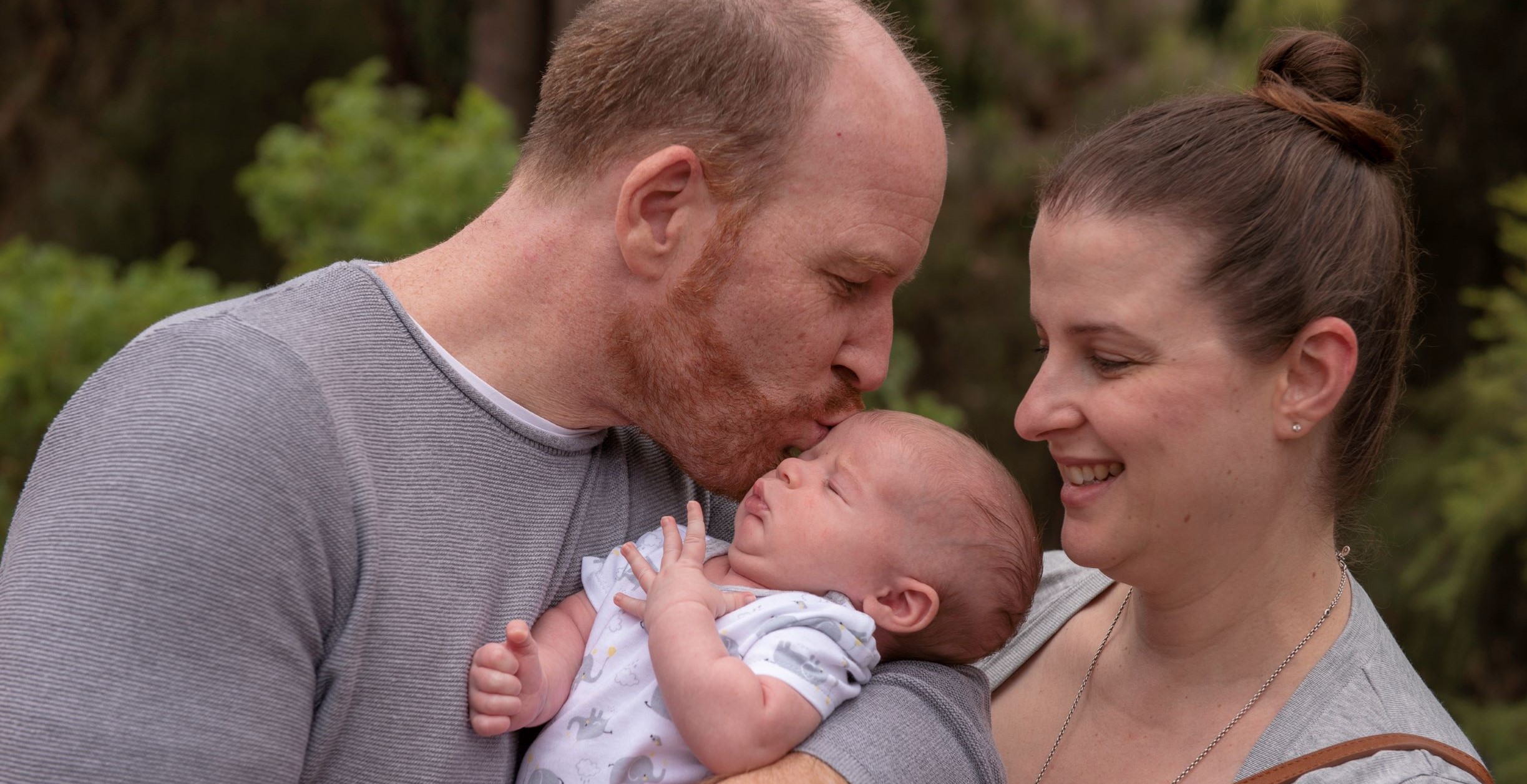
Despite major advances in science in recent years, many Australians still don't understand the magnitude and importance of early years development to a child's life journey.
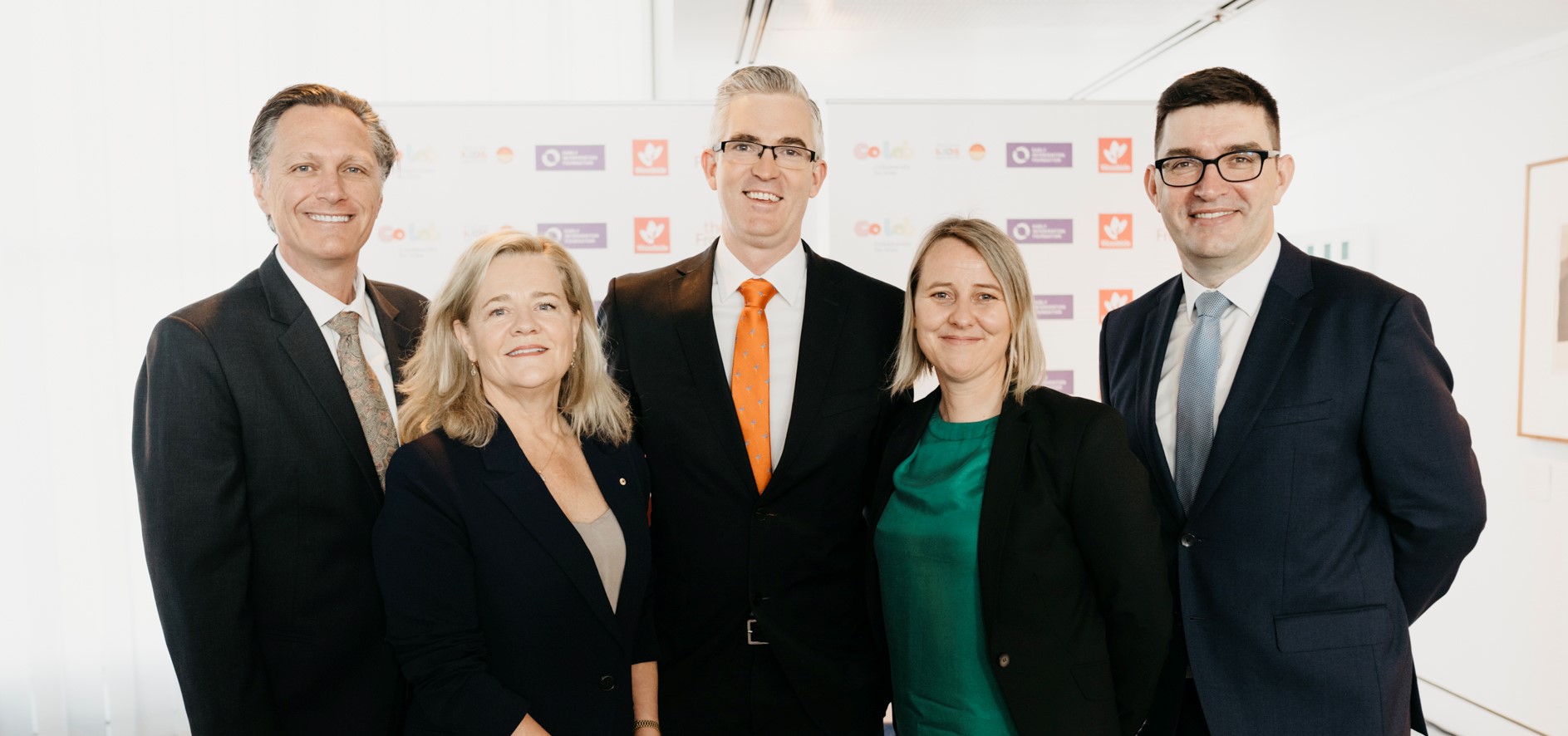
Leaders in the not-for-profit, research, philanthropy and business sectors have joined forces to shine a light on the human and economic benefits of early support for Australian children.
It's normal for children and teenagers to experience a range of emotions, including sadness, however childhood depression is more than just feeling sad.

Discover more about some of the broad topics and areas of research that The Kids Research Institute Australia are involved in.
Lesbian, Gay, Bisexual, Transgender, Intersex, Queer, Asexual/Aromantic (LGBTIQA+) people and other individuals with diverse sexual orientation, sex and/or gender identity experience intimate partner violence (IPV) at higher rates than non-LGBTIQA+ people but often receive inconsistent culturally competent healthcare, which deters help-seeking.
Repetitive Negative Thinking (RNT) during pregnancy is a key risk factor for psychopathology in the perinatal period. However, the cognitive mechanisms underlying prenatal RNT remain poorly understood. Recent research has suggested that a tendency to volitionally seek negative rather than positive information (i.e., biased information seeking) may contribute to the formation of more negative prenatal expectations, which in turn predict elevated prenatal RNT.