
Search
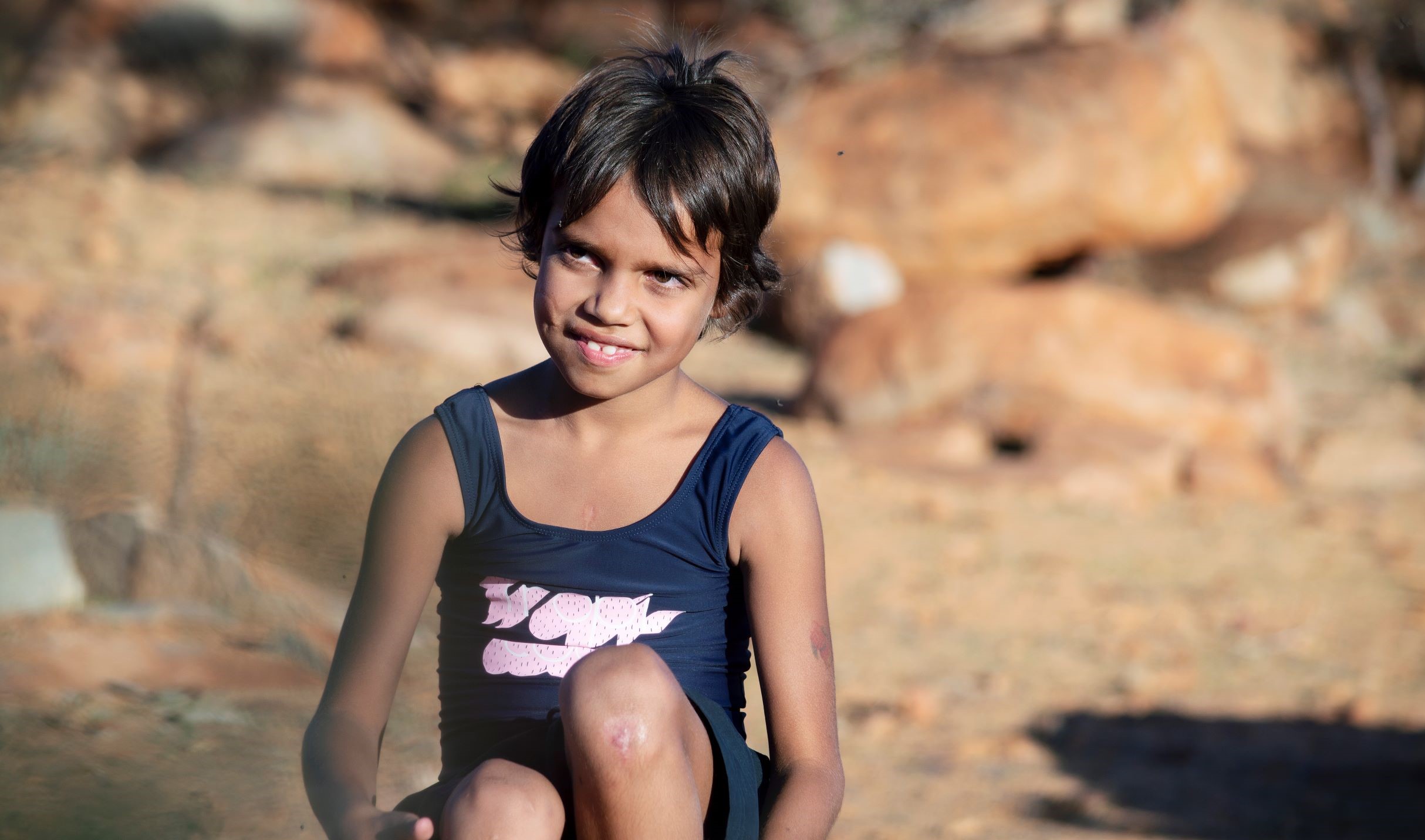
Five years of intensive collaboration between researchers, clinicians, Aboriginal Community Controlled Health Organisations, and government and non-government organisations have finally put the long-fought for goal of ending RHD within reach.
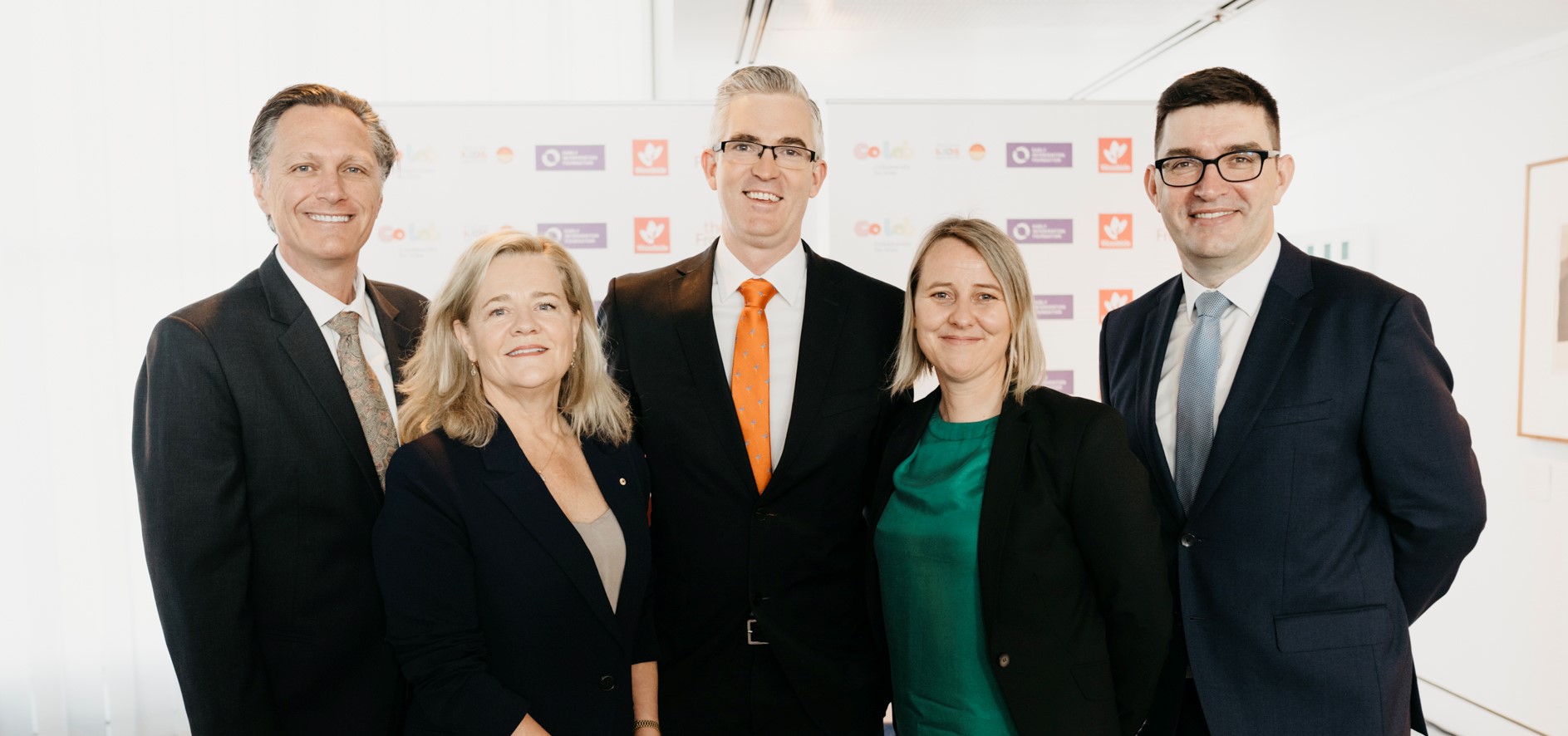
Leaders in the not-for-profit, research, philanthropy and business sectors have joined forces to shine a light on the human and economic benefits of early support for Australian children.
Physical activity can support physical and mental health among children living with chronic health conditions; however, programmes must be tailored to their specific needs to support participation.
Children with early-stage (pre-symptomatic) type 1 diabetes are currently identified primarily via research-based screening programmes in Australia. Once identified, families live with the knowledge that their child has an increased chance of developing symptomatic, lifelong, insulin-requiring type 1 diabetes but have no specific clinical pathway available to them in Western Australia for accessing tailored support or education. This project aimed to co-design a new clinical pathway to address this unmet need.
Childhood cancer survivors (CCS) are at risk of long-term skeletal muscle deficits following intensive therapies during critical periods of growth. This review aimed to synthesize approaches for assessing muscle quantity, quality, and function in CCS and to quantify deficits relative to healthy peers.
Early life nutrition is associated with child behaviour; however, the interplay with genetic vulnerability is understudied. We hypothesised that psychiatric genetic risk interacted with early nutrition to predict behavioural problems in childhood and adolescence.
Aboriginal and Torres Strait Islander Peoples share rich cultural traditions unrivalled across the world; however, the continued impact of colonisation led to sustained, profound trauma that has spanned generations. With Aboriginal and Torres Strait Islander people presenting to hospital emergency departments for self-harm and suicidal behaviours at a rate 2.9 times higher than non-Indigenous people, there is a need to develop culturally appropriate interventions to address this growing problem.
Strongyloidiasis, caused by the soil-transmitted helminth Strongyloides stercoralis, remains a neglected public health issue in Australia, particularly among remote Aboriginal and Torres Strait Islander communities. This study aimed to map the spatial distribution of strongyloidiasis and investigate associated socioecological factors to identify high-risk areas and guide targeted interventions in Australia.
Children with cerebral palsy face challenges in maintaining oral hygiene; data on their oral health practices and outcomes are limited.
Severe microcephaly, or head circumference at least 3 standard deviations below the mean for age and sex, is a rare condition with diverse etiology, making diagnosis challenging. Following the 2015 to 2016 Zika virus outbreak, surveillance studies in Australia, Canada, New Zealand, and the United Kingdom and Ireland were conducted to monitor severe microcephaly. We describe the etiology, clinical features, and diagnostic investigations of severe microcephaly among children aged younger than 1 year.