
Search
Showing results for "Study of bullying"
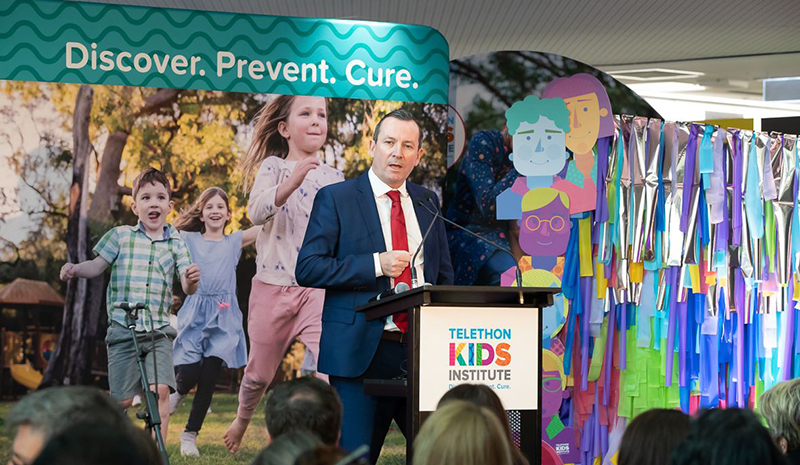
Budding young scientists can now gain an insight into the world of research thanks to The Kids Research Institute Australia’s newly opened Discovery Centre.

Seven leading The Kids Research Institute Australia researchers have been awarded Fellowships from the National Health and Medical Research Council (NHMRC).
More children across Australia are being vaccinated against the flu since funding was expanded and access widened under the National Immunisation Program

Alice Lafana is one of our Research Interns who is currently studying her Masters of Public Health at the University of WA, and interning with the Mental Health team.

There are two new faces at CliniKids, Theresa, our new Clinical Services Manager and Ally, our new Occupational Therapist.
Mesothelioma is a cancer derived from mesothelial cells, most commonly arising from the pleura or the peritoneum. Immune checkpoint therapy (ICT) has shown survival benefit for pleural mesothelioma, but little is known about the response in peritoneal mesothelioma. Most preclinical mesothelioma models involve subcutaneous cancer cell implantation, which lacks the relevant tumour microenvironment of peritoneal mesothelioma and does not resemble the clinical presentation.
Pregnancy brings with it some level of risk. There is no getting around that. Of course, women want to do the best for their baby, but there is a risk.
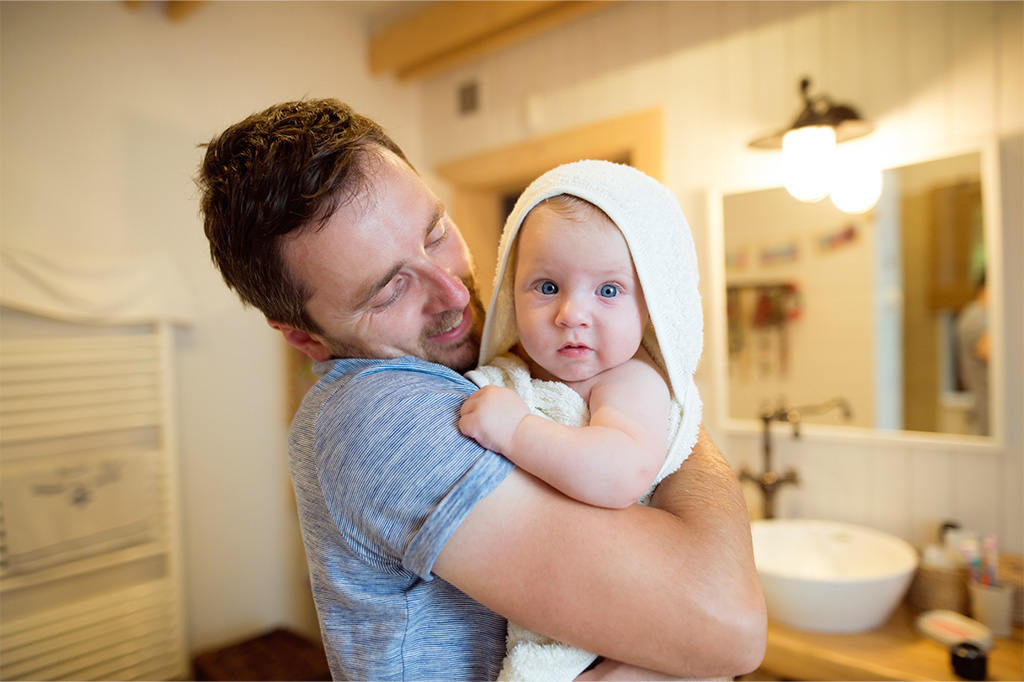
In this new blog, Speech Pathology Lead Aria May explains how bathtime is a great opportunity to support social communication with your child.
The prevalence of child and adolescent breakfast skipping is concerning, and limited existing evidence suggests an association between skipping breakfast and negative emotional wellbeing outcomes. However, positive emotional wellbeing outcomes have been neglected from research in this space.
Growing up in a language-rich home environment is important for children's language development in the early years. The concept of "technoference" (technology-based interference) suggests that screen time may be interfering with opportunities for talk and interactions between parent and child; however, limited longitudinal evidence exists exploring this association.