
Search
Showing results for "Au"
News & Events
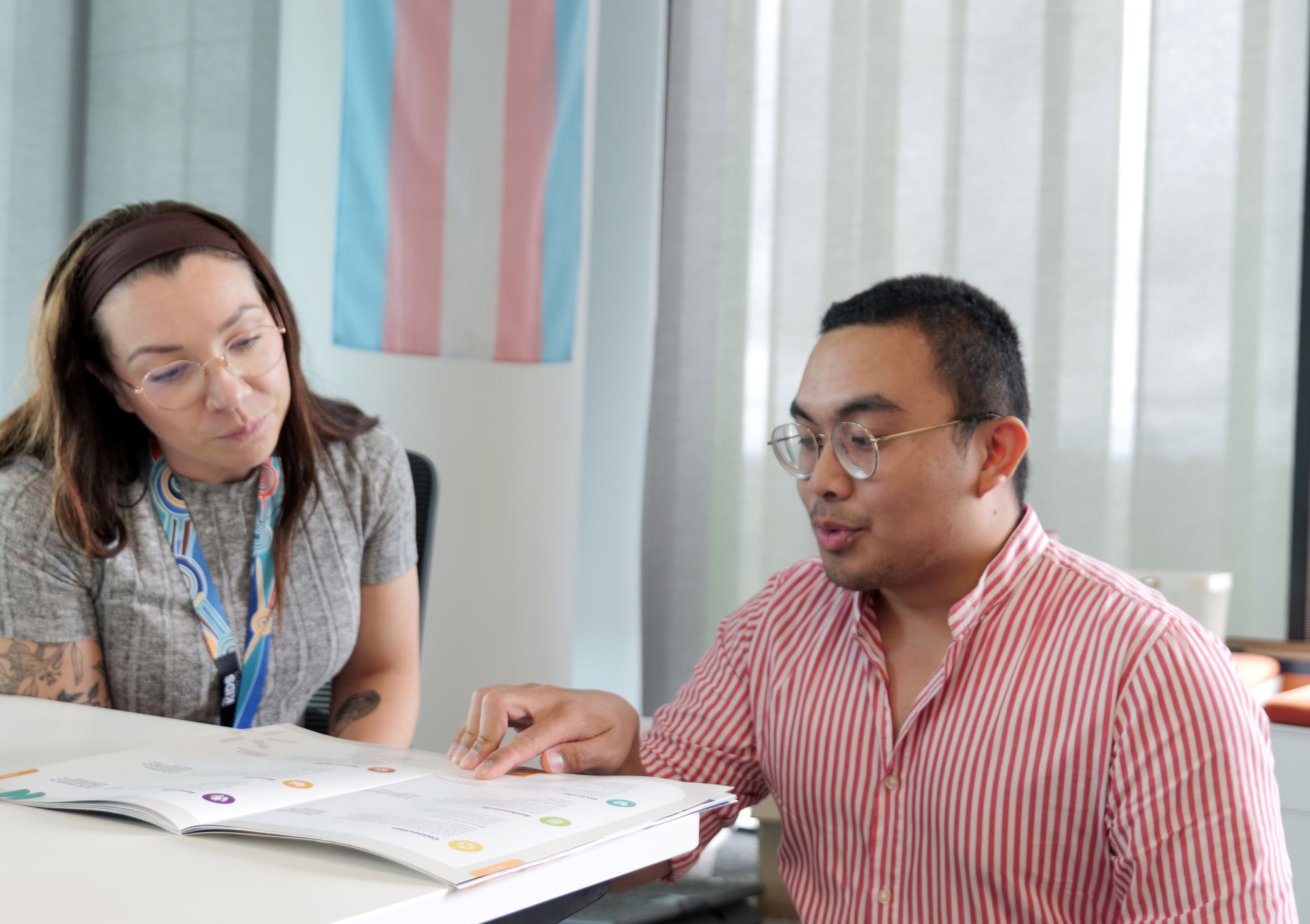
The PERSIST StudyThe Persist Study Community Workshop. Help us to understand how to engage other youth who live with T1D!

A new research study conducted by Professor Jeneva Ohan and Dr Keely Bebbington aims to develop our understanding of how adolescents navigate these disclosure decisions, and how we can support them to feel more confident when talking to others about their diabetes.
News & Events
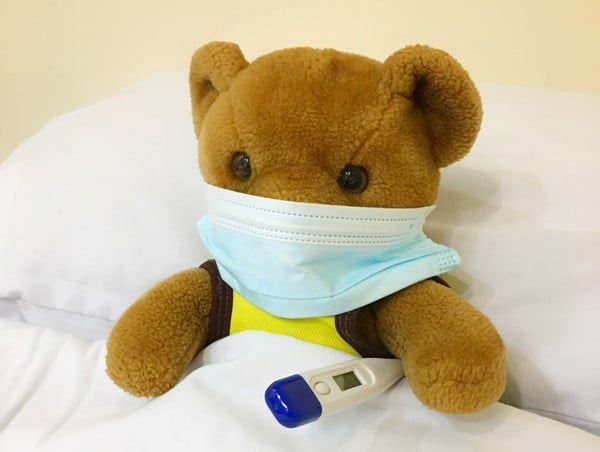
Flu Program for PatientsFlu season is here. The Paediatric Influenza Vaccine Program has started at PCH. Available now to inpatients and children attending outpatient appointments, everyone is encouraged to get the influenza vaccination.ne.

News & Events
New Study: Water Survey UWAThere is evidence that physical activity is well known to increase the risk of hypoglycaemia in people with type 1 diabetes. However, little is known about the effect of water-based activities on blood glucose levels.

News & Events
New study: Diabetes stress and coping strategiesThe Children’s Diabetes Centre is investigating the ways young people, and their primary carers, cope with stressors associated with type 1 diabetes.
Research
Lipopolysaccharide-induced interferon response networks at birth are predictive of severe viral lower respiratory infections in the first year of lifeAppropriate innate immune function is essential to limit pathogenesis and severity of severe lower respiratory infections (sLRI) during infancy, a leading cause of hospitalization and risk factor for subsequent asthma in this age group.

Read the latest edition of our magazine, embrace exclusive, right here.
Research
Sex-stratified Genome-wide Association Studies Including 270,000 Individuals Show Sexual Dimorphism in Genetic Loci for Anthropometric TraitsOur results demonstrate the value of sex-specific GWAS to unravel the sexually dimorphic genetic underpinning of complex traits.
