
In close partnership with Aboriginal Elders and community members in Western Australia's south-west, we created ‘Kaal Tackles Eczema’, a children’s b…
Occurring in 1% of school-aged children, Tourette syndrome is a neurodevelopmental disorder characterised by uncontrollable movements and vocalisatio…
We aim to ensure that high quality outcome measures are available to evaluate treatments and services for children with disability rigorously. We aim…
Our vision is to increase awareness and improve outcomes for children with movement disorders and other neurodevelopmental conditions impacting on mo…
Tourette syndrome is a neurodevelopmental disorder characterised by uncontrollable movements and vocalisations known as tics.
While individual diseases are rare, as a group, rare diseases are common. Recent estimates suggest that between 3% and 6% of the world’s population a…
We know from research that the risk of death from respiratory disease is 14 times higher for adults with cerebral palsy than for other adults. Respir…
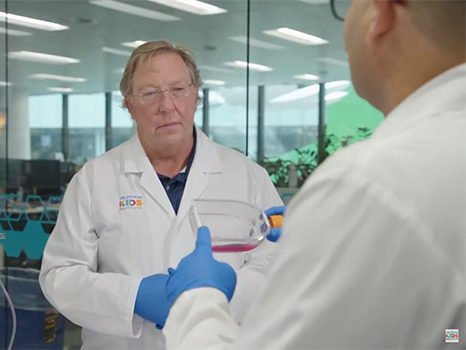
Here’s what we know so far about the impact of COVID-19 on children.
Developmental Coordination Disorder is a lifelong disability impacting most aspects of daily living that involve movement. With an estimated prevalen…
Diabetes is the name for a number of different metabolic disorders in which the body's healthy levels of blood sugar (glucose) can't be maintained.Di…