
Search
Showing results for "Study of bullying"
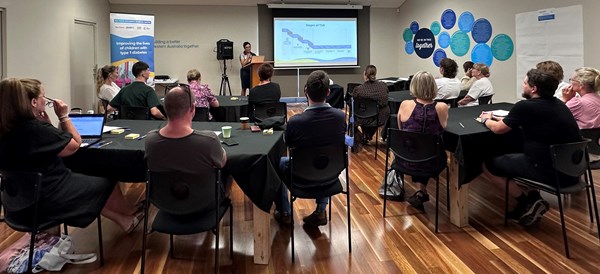
Involving those who live with T1D or care for a child who lives with T1D is a primary focus for the Centre. This lived experience integral to making sure the research our Centre does is relevant and outcomes create meaningful impact for how they manage the condition on a day-to-day basis.
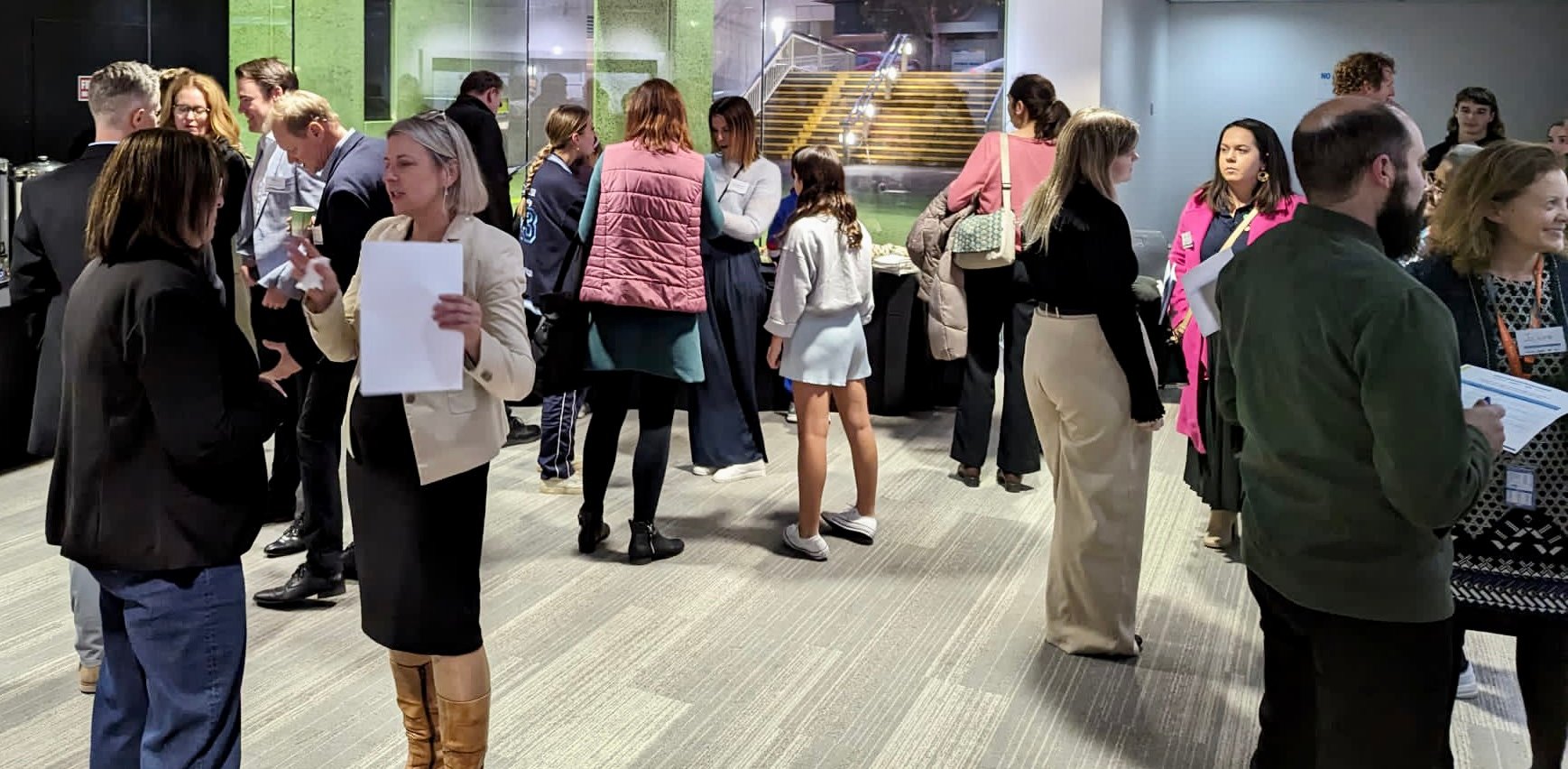
The Rio Tinto Children's Diabetes Centre, A JDRF Global Centre of Excellence COMMUNITY FORUM - Wednesday 26 July, 2023 Thank you to all those who
Have you seen the recent news about Type1Screen, a free new nationwide program that aims to better detect a child's risk of developing type 1 diabetes?

Diabetes WA and Leeuwin Ocean Adventure Foundation are on the hunt for two young people aged 16-18 years with type 1 diabetes to participate in the Leeuwin Ocean Adventure Youth Explorer Voyage in the upcoming October school holidays.
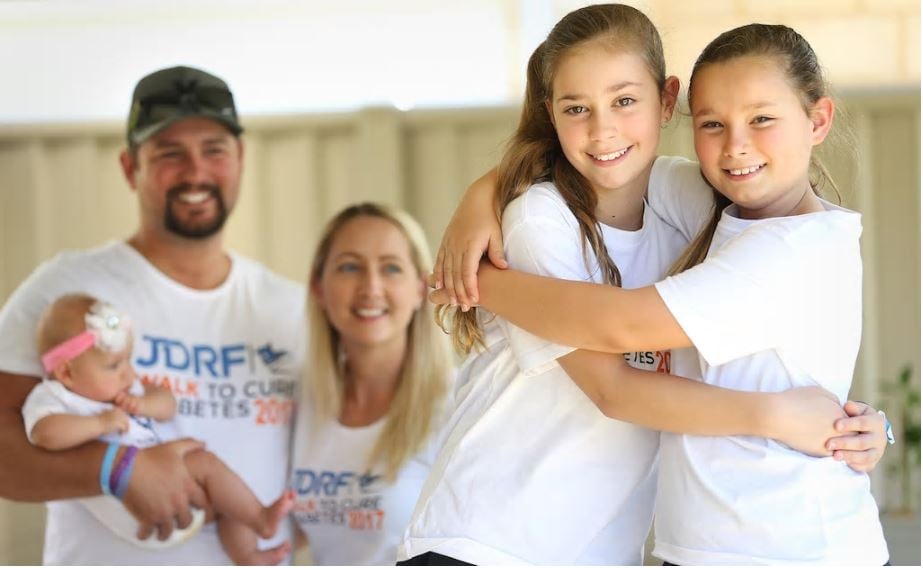
Doctors are worried by a record number of WA children diagnosed with type 1 diabetes this year, with about 30 per cent more cases than average.

Among all the yoghurt options in the dairy aisle, how do you know if you are making a healthy choice?
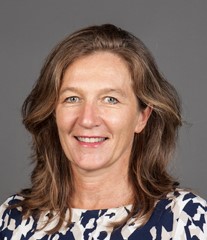
Centre co-director Dr Liz Davis talked to JDRF Australia about women and science to celebrate the recent International Day of Women and Girls in science.
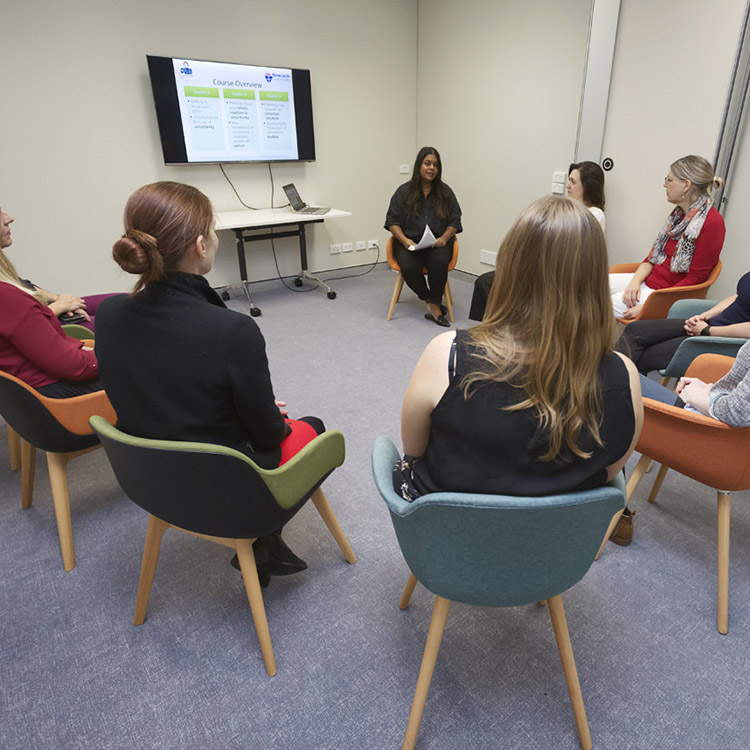
CliniKids runs training in a range of areas for clinicians and autism professionals in addition to workshops for parents, caregivers and families.
This paper is a review of potential novel therapeutic targets or tools for the treatment of asthma and COPD.
Vitamin D is synthesised by ultraviolet (UV) irradiation of skin and is hypothesized to be a direct mediator.