
Search
Showing results for "Study of bullying"
Mesothelioma is a lethal cancer. Despite promising outcomes associated with immunotherapy, durable responses remain restricted to a minority of patients, highlighting the need for improved strategies that better predict outcome. Here, we described the development of a mesothelioma-specific gene signature that accurately predicts survival.
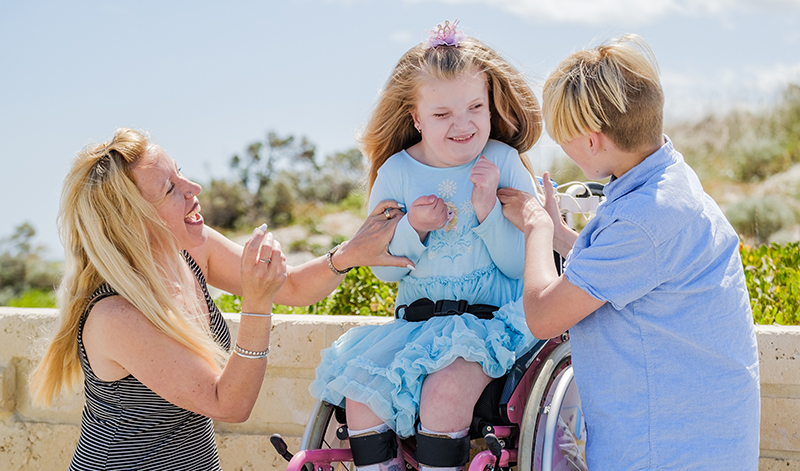
In WA, 60,000 kids live with a rare disease, and of those about half do not have a diagnosis. At The Kids, researchers are leading the charge in developing a method to identify genetic variations, so that kids like Charlotte can get answers.
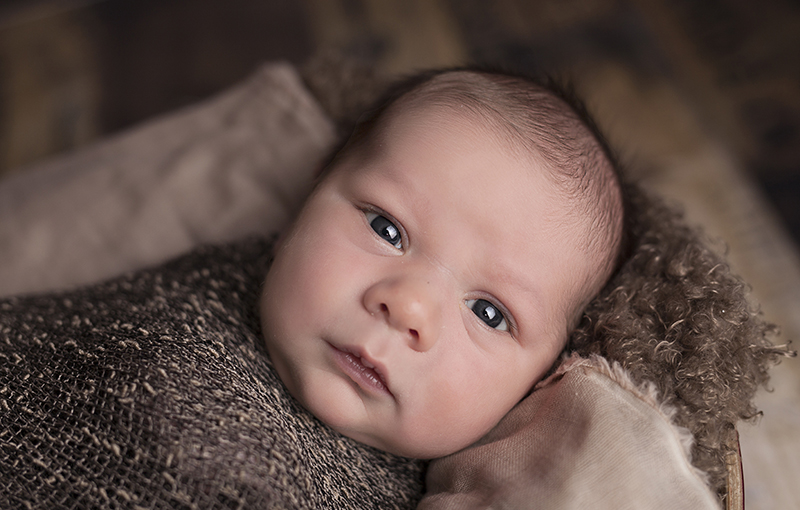
Up to three out of every 100 babies develop cow's milk protein allergy (CMPA) in their first year of life – and this number appears to be on the rise
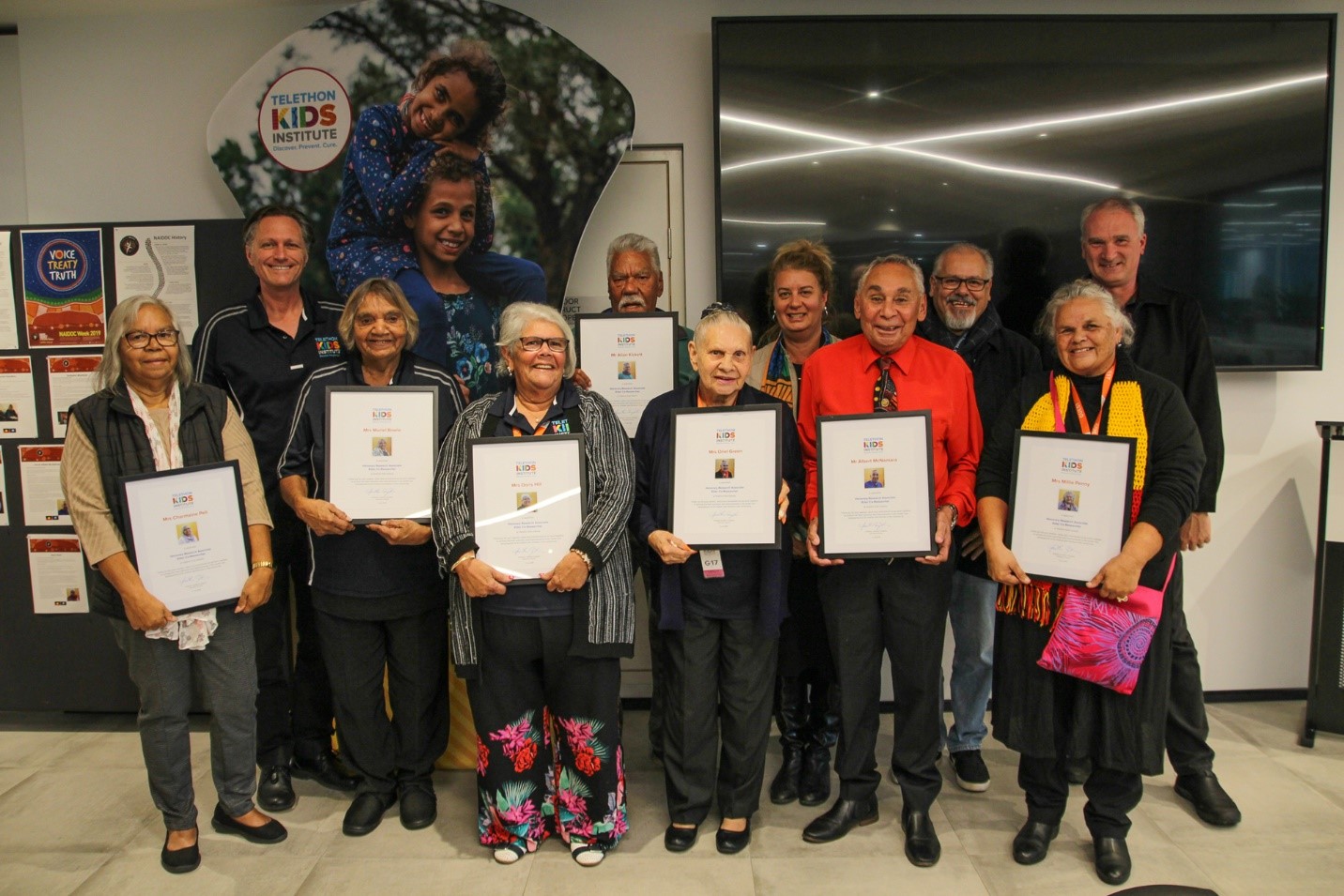
Executive Director Jonathan Carapetis said he was honoured to be able to work with the Elders in creating a bridge between the Institute’s research and the lives of Aboriginal children and families.
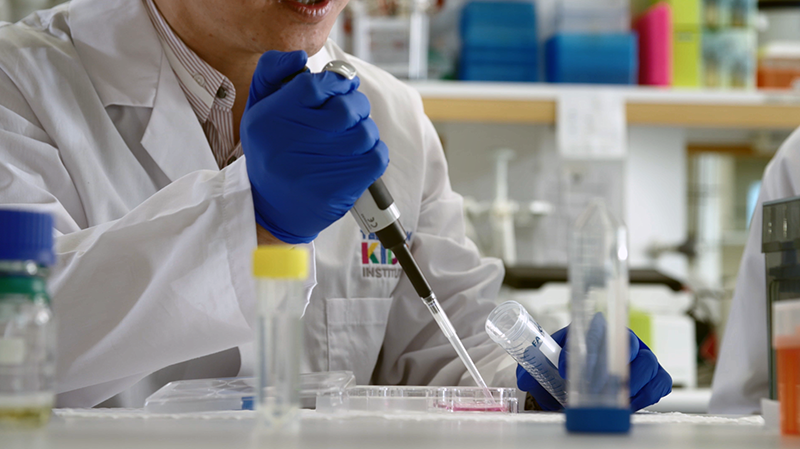
Six The Kids Research Institute Australia researchers are among those who have received grant funding from the Telethon-Perth Children’s Hospital Research Fund (TPCHRF).
Work by the Institute's Division of Children's Leukaemia and Cancer Research has been recognised with three research grants from the Cancer Council of WA.
Neuroblastoma is a complex childhood cancer of the nerve cells and the most common solid tumour in children outside of the brain. The average age of diagnosis is 1-2 years and tragically 50% of children with high-risk neuroblastoma lose their battle within five years.
The early years of life are characterised by significant opportunity, rapid change and accelerated development which is unparalleled by any other stage.
Learning Together, developed by the South Australian Department for Education, aims to create enriched learning environments that can be transferred to the home to support positive changes for children and families.
Glenn Martyn Pearson Symons BA (Education) PhD Candidate B.A. (Hons) PhD. Director of First Nations Strategy and Leadership; Head, First Nations