
Search
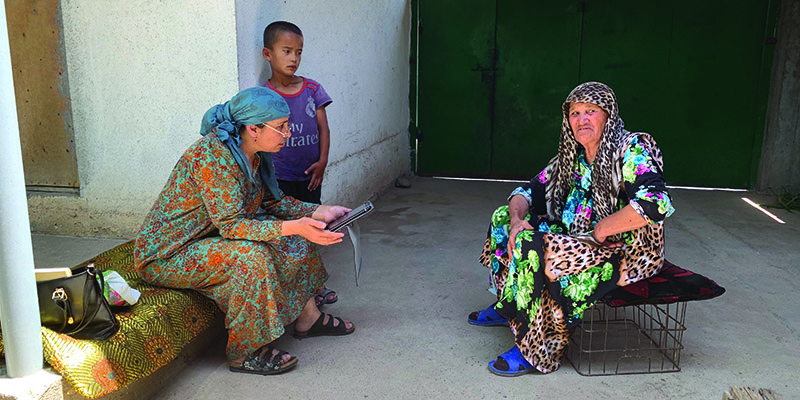
Fieldworkers learning how to collect eHCI data A fieldworker collects data for the eHCI in Tajikistan The rugged, landlocked Central Asian country of
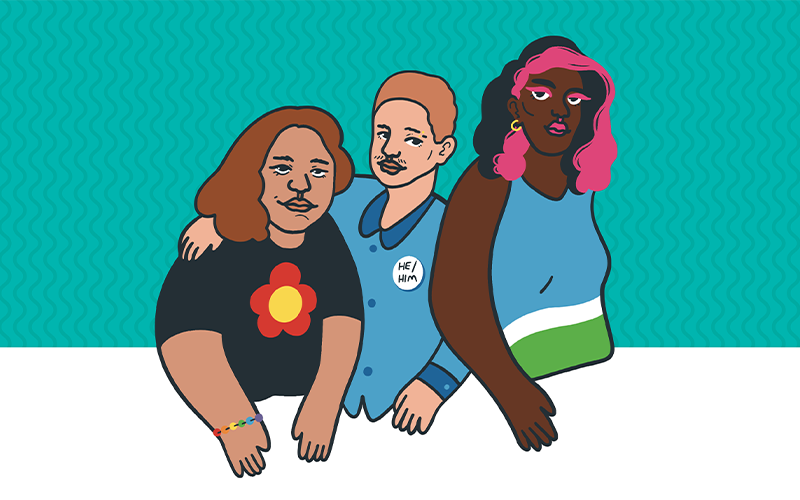
We have developed best-practice suicide prevention guidelines for health professionals and community service providers to help them create safe spaces for LGBTQA+ young people.
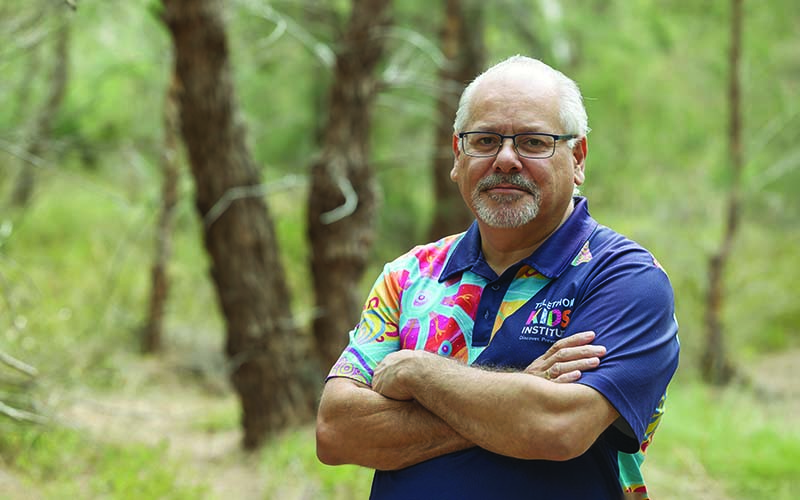
The Kids Research Institute Australia has been among a growing number of voices passionately advocating for an overhaul of the way young people in detention are managed in Western Australia.
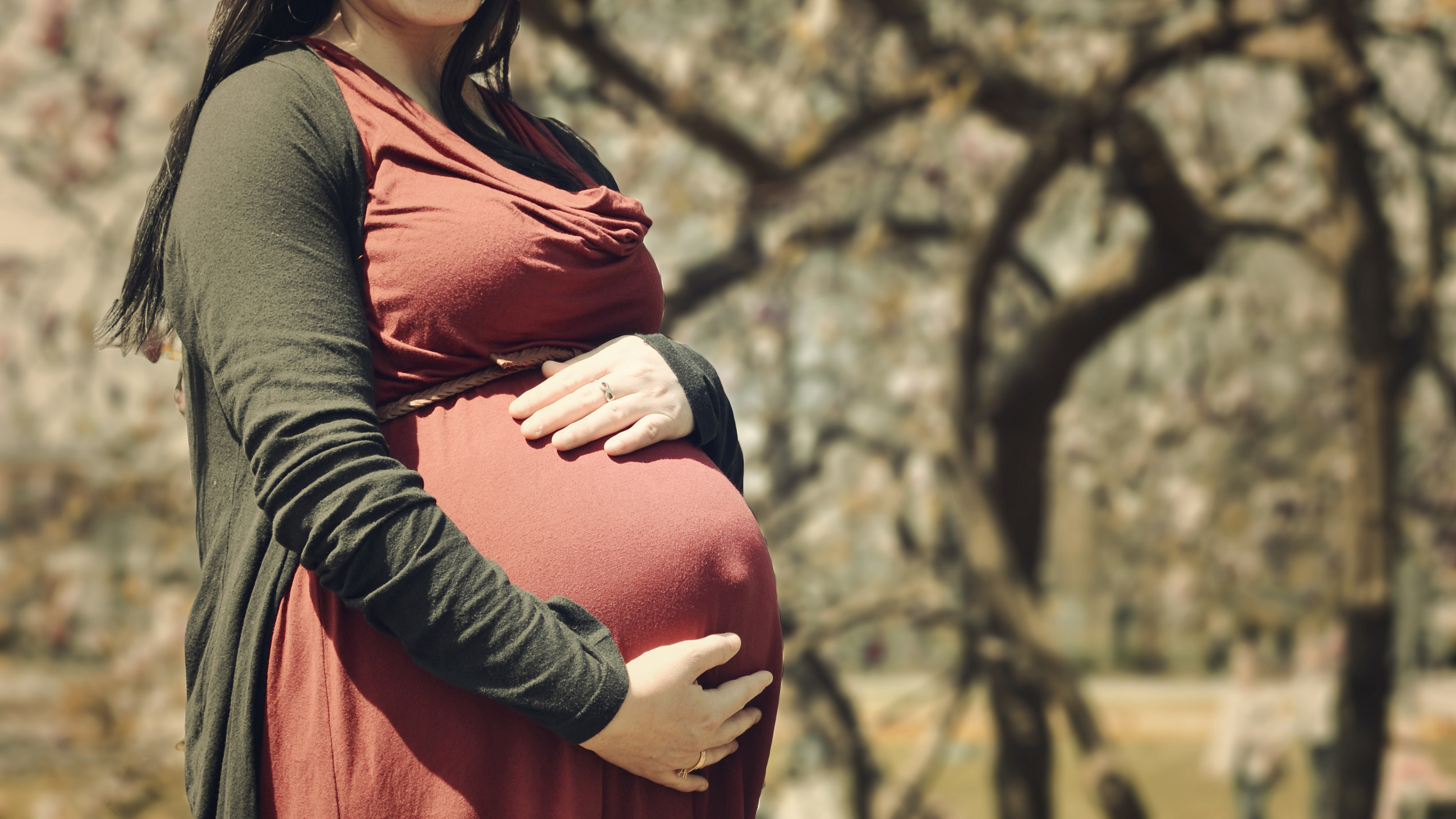
Researchers have worked with communities to come up with a tangible, practical legacy to improve the policy architecture and clinical approaches to drinking during pregnancy

Coconut oil has been used on premature babies to help fight off deadly infections. Researchers are now hoping to prove it is effective for other conditions as well.
Research
Understanding motivation and experience in participating in a paediatric SARS-CoV-2 serosurvey, in AustraliaSerosurveys are considered as a valuable tool in estimating population immunity and infection rates but recruitment of children to provide paediatric estimates can be challenging. A novel approach of sampling children undergoing anaesthesia was utilised for a SARS-CoV-2 serosurvey in Australian children and we explore the reasons for participation, feedback on the approach and importance of research into Coronavirus Diseases 2019 (COVID-19).
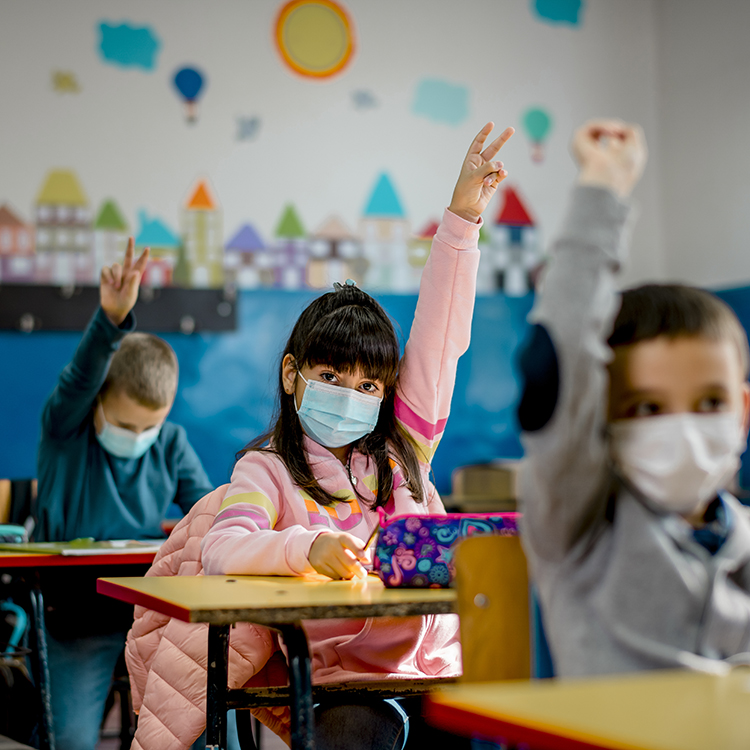
The Kids Research Institute Australia answers all of your questions about vaccines and children
Research
MeaslesMeasles is a highly contagious infectious disease that can cause severe, long-term complications in children.
Research
Truth-telling, truth-listening and opportunities for ensuring school cultural safety for Aboriginal students and Aboriginal educators in three primary schools in Western AustraliaThe Moombaki Research team developed a pilot Cultural Integrity Audit (CIA) that was co-designed with Aboriginal elders and educators as a tool for school leaders to measure the extent of culturally safe and responsive education at three test sites in Perth (Boorloo), Western Australia. This article analyses the political and social contexts and experiences of implementing the CIA as a tool – including the commitment, attitudes and values of school leaders.
Research
The role of positive appraisal style and positive expectations in student emotional resilienceEmotional resilience is an individual difference dimension, reflecting variation in the degree to which people show better or worse emotional well-being relative to what is predicted based on stressor exposure. Given that young adults commencing university studies commonly encounter a broad range of potential stressors, understanding the mechanisms that underpin emotional resilience could inform strategies for optimising student emotional well-being.