
Search
Showing results for "Study of bullying"
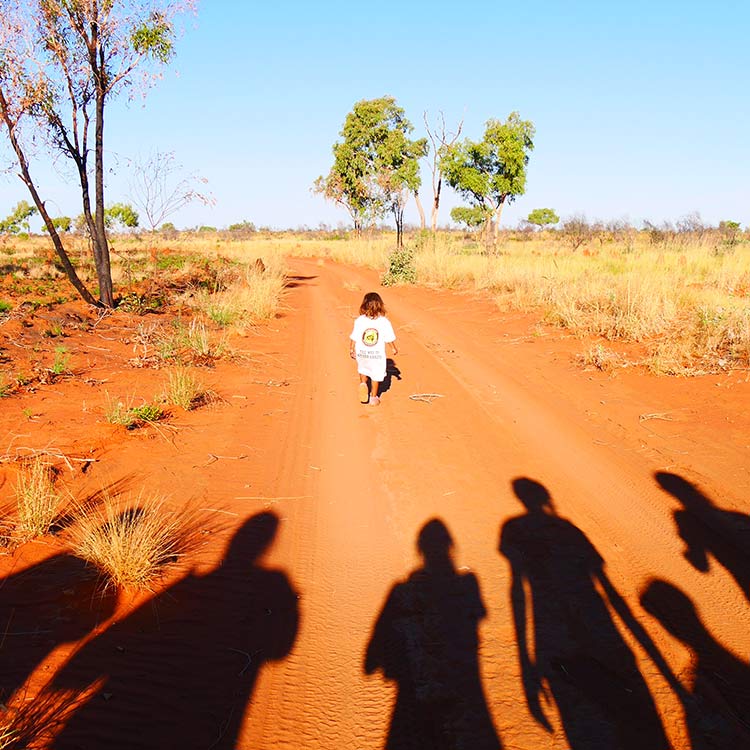
The Kids has recruited Dr Timothy Barnett to embark on a Fellowship to help close gaps in health outcomes between Indigenous and non-indigenous kids
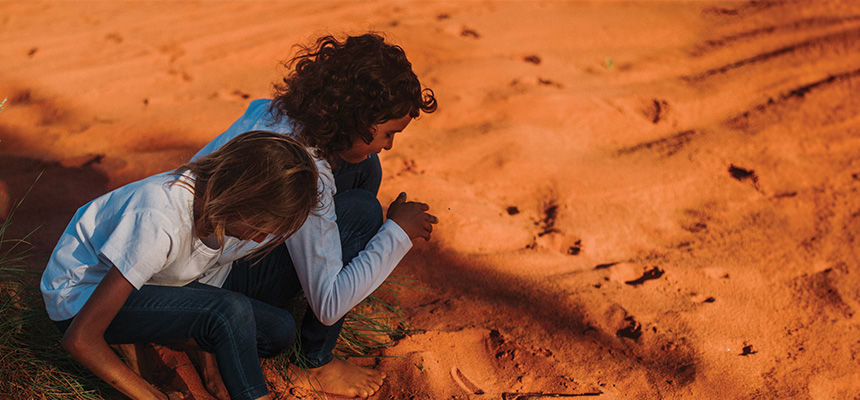
Aboriginal families and communities have endured the imposition of countless ‘solutions’ and had to live with the consequences of these ineffective initiatives. Those consequence are sadly evident in the unrelenting gap in outcomes for Aboriginal kids, compared with other Australian children.
Allogeneic hematopoietic stem cell transplant (HSCT) is a proven curative therapy for children with high-risk myeloid malignancies. Disease relapse, transplant-related mortality and graft versus host disease (GvHD) are the main causes of treatment failure and death post-transplant. The optimum pretransplant conditioning regimen is yet to be defined. There is limited data regarding the use of busulfan, fludarabine and melphalan as a myeloablative conditioning regimen in children receiving HSCT for myeloid malignancies.
Research save lives and contains the spread of COVID-19.
Research that maps and tracks.
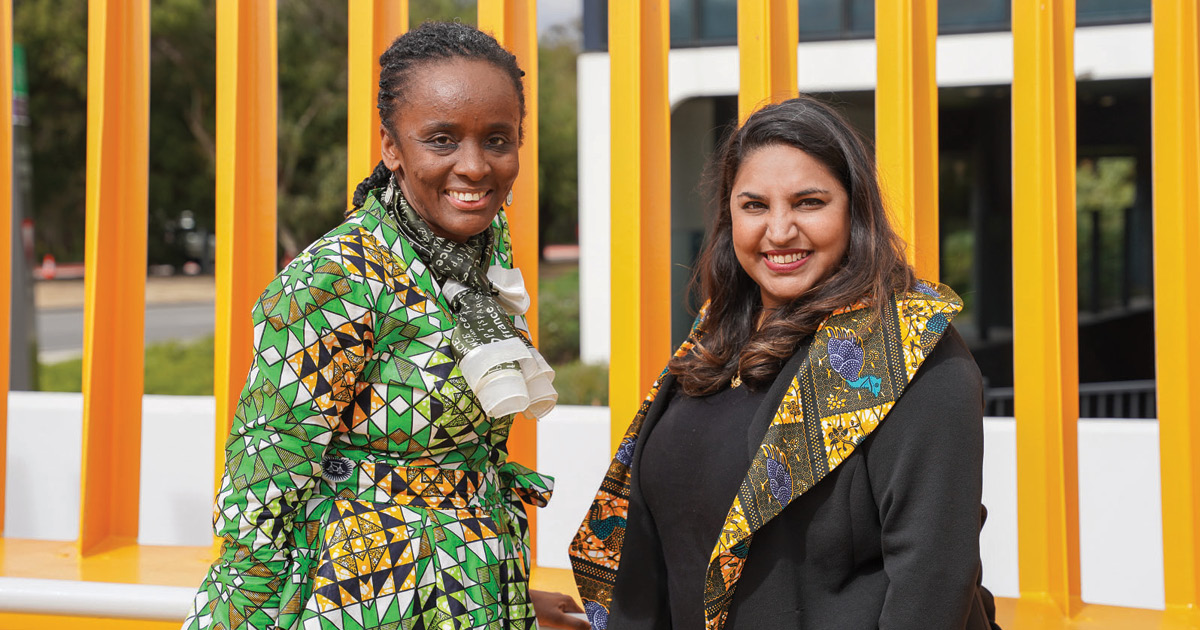
The Kids Research Institute Australia is at the forefront of a global effort to track and prevent malaria – one of the world’s leading causes of disease and child deaths, particularly in developing countries.
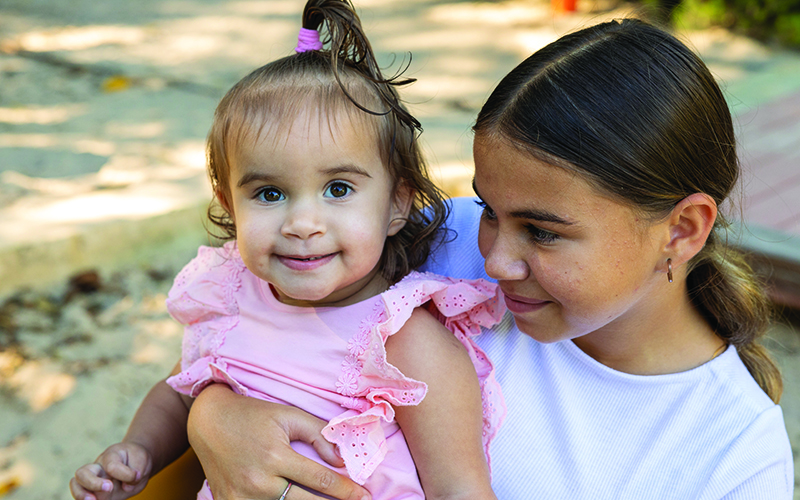
The Penicillin Team are working to accelerate research and clinical trials to improve penicillin formulation and treatment methods, to end RHD.
In clinical genetics, establishing an accurate nosology requires analysis of variations in both aetiology and the resulting phenotypes. At the phenotypic level, recognising typical facial gestalts has long supported clinical and molecular diagnosis; however, the objective analysis of facial phenotypic variation remains underdeveloped.
Suicide clusters involve an excessive number of suicides, suicide attempts, or both, that occur close in space or time or involve social links between cluster members. Although suicide clusters are rare, evidence documenting the implementation of suicide cluster response activities in communities is required yet remains limited.
There has been concerns about the increasing incidence of youth depression and anxiety, with school teachers seeking out ways to better equip youth with skills to help them deal with daily life. A resilience training programme for youth was implemented in one region of New Zealand.