
Search
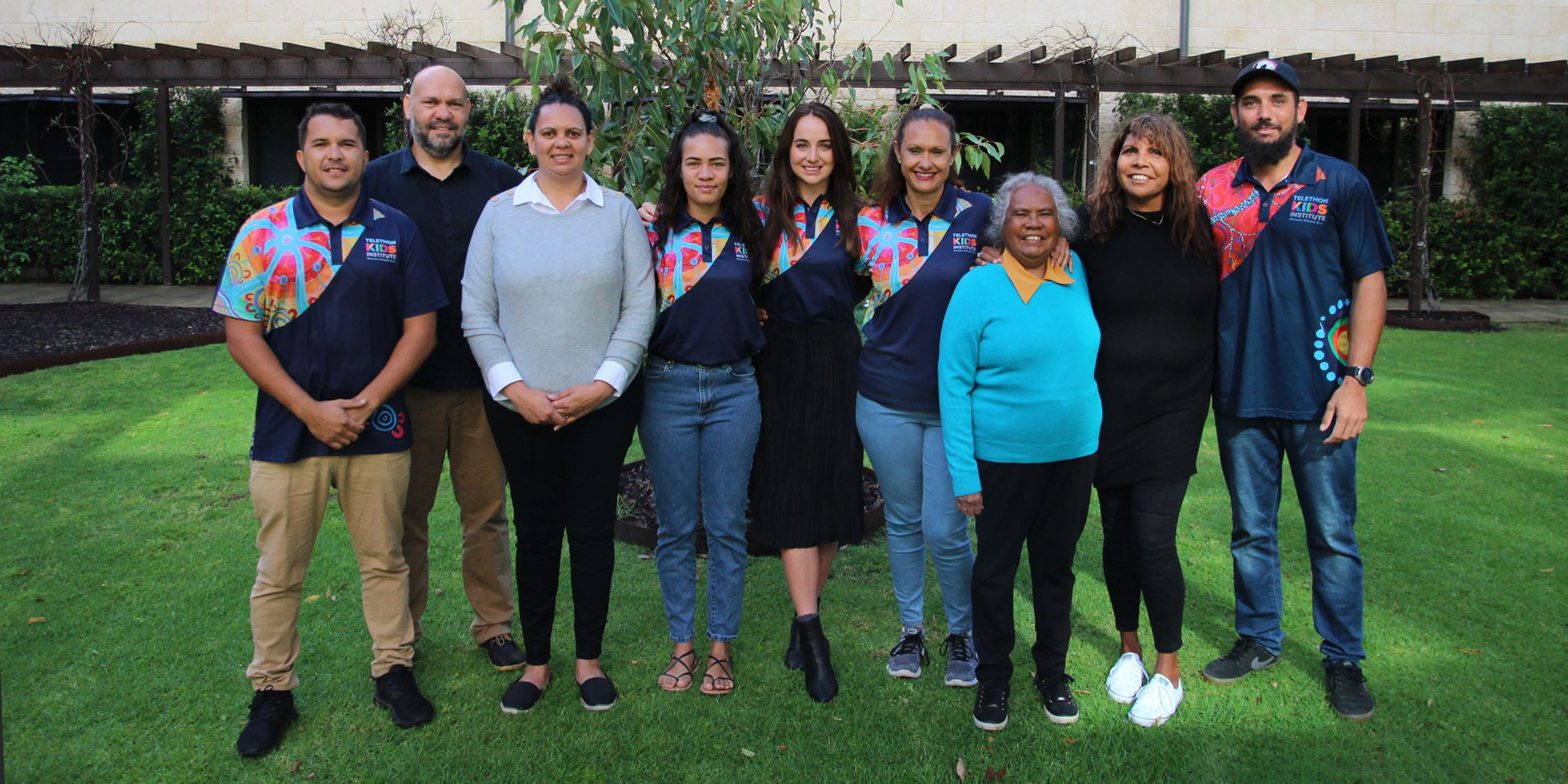
We are excited to launch our new Aboriginal Employment and Career Development Strategy (AECDS), aimed at building a culturally secure work environment by continuing to embed Aboriginal health & wellbeing into our research.
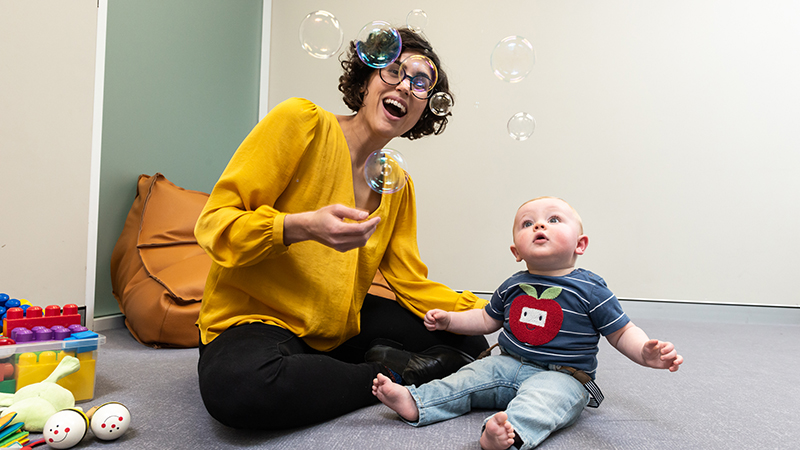
A child-led therapy that supports the social development of babies showing early signs of autism has found a significant reduction in social communication difficulties in babies who received the therapy, according to new research led by CliniKids at The Kids Research Institute Australia.
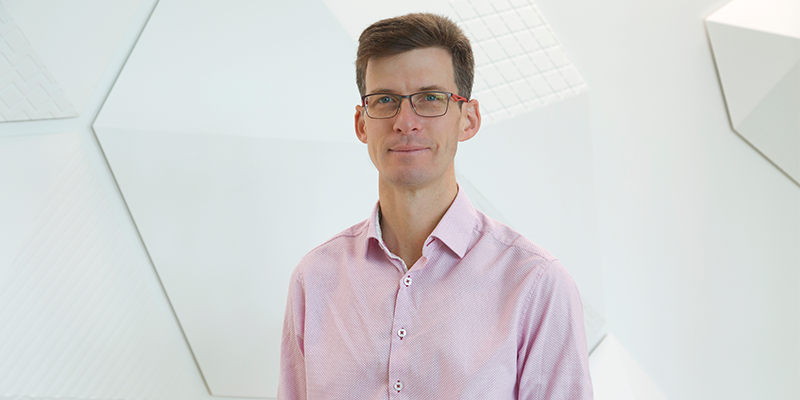
A The Kids researcher focused on ensuring kids are protected from infectious diseases will be named among WA’s most outstanding young scientists at the upcoming 2021 Young Tall Poppy Science Awards.
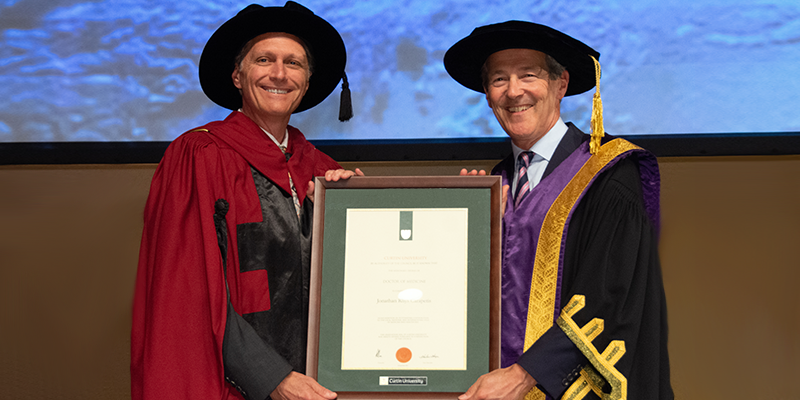
The Kids Research Institute Australia Director Professor Jonathan Carapetis AM has been made an Honorary Doctor of Medicine by Curtin University in recognition of his outstanding contribution to the local, national and international field of medicine and healthcare.
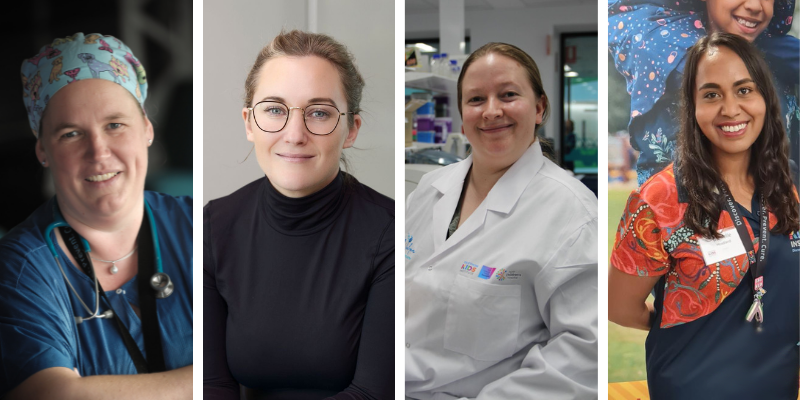
Four The Kids Research Institute Australia researchers – working across diverse fields including paediatric anaesthesia, bioinformatics, ear health, and the health impacts of biodiesel exhaust – have been named as finalists in the 2021 Premier’s Science Awards.
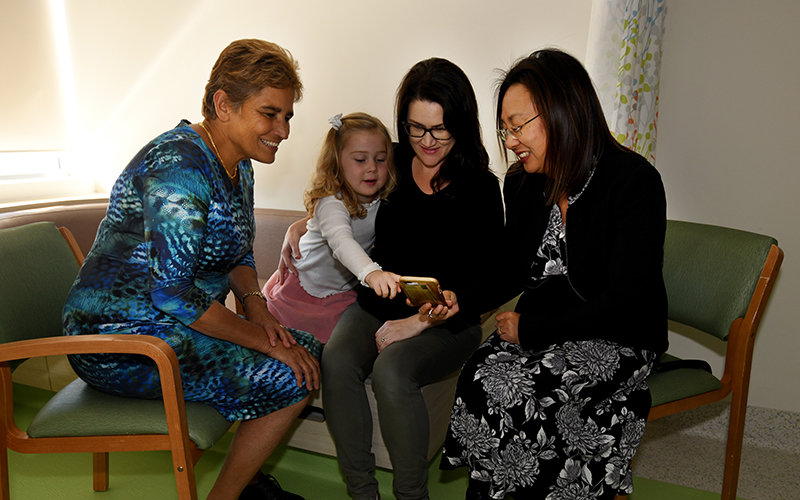
A new evidence-based app designed to support pregnant women to live a healthy lifestyle and give their baby the best start has been launched by The Kids Research Institute Australia and the Joondalup Health Campus
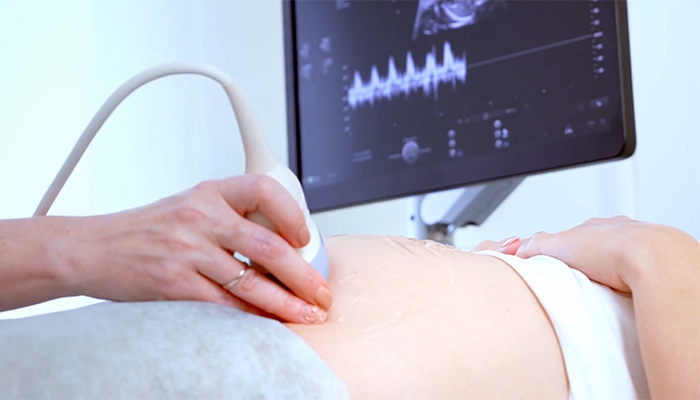
Most mums-to-be have never heard of CMV and the impact it can have on their unborn baby.
The Kids Research Institute Australia has welcomed the announcement that the Murugappan family will be moved into community detention in Perth.
The Kids Research Institute Australia is supporting calls for the urgent release of Biloela family from held detention.
University-educated parents in Australia speak more words to their children on average than parents with only a high-school education, with the gap emerging at around 18 months of age.