
Search
Showing results for " https://www.galaxus.ch/en/sector/showdiscussion/360hack360-com-visit-kunghaccom-whd8eez7-223334"
Cardiovascular disease and type 2 diabetes mellitus are leading contributors to the health inequity experienced by Aboriginal and Torres Strait Islander peoples, and their antecedents can be identified from early childhood. We aimed to establish the quality of available data and the prevalence of cardiometabolic risk markers among Aboriginal and Torres Strait Islander children and youths (0-24-year-olds) to inform public health approaches.

Western Australia and Queensland are leading the nation when it comes to ensuring children have a good start at school, according to a study by researchers at The Kids Research Institute Australia.
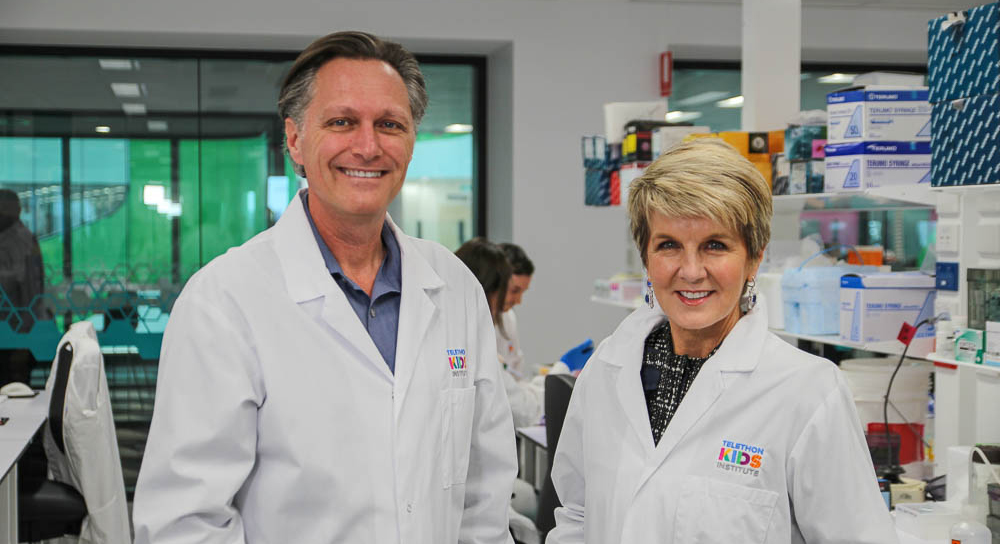
Former Australian Foreign Affairs Minister The Hon Julie Bishop will be the next Chair of Perth’s The Kids Research Institute Australia.
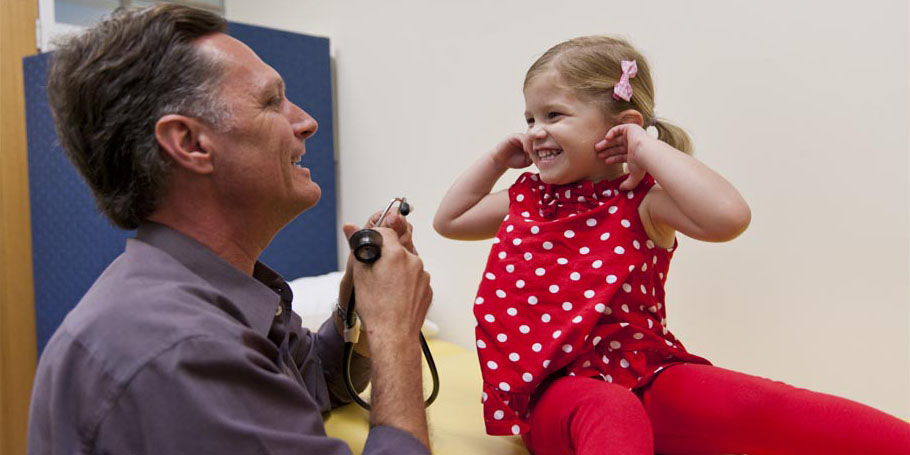
Leading paediatrician, infectious diseases specialist and Executive Director of The Kids Research Institute Australia, Professor Jonathan Carapetis, has been recognised for his significant contribution towards medical research with the award of Member of the Order of Australia (AM).
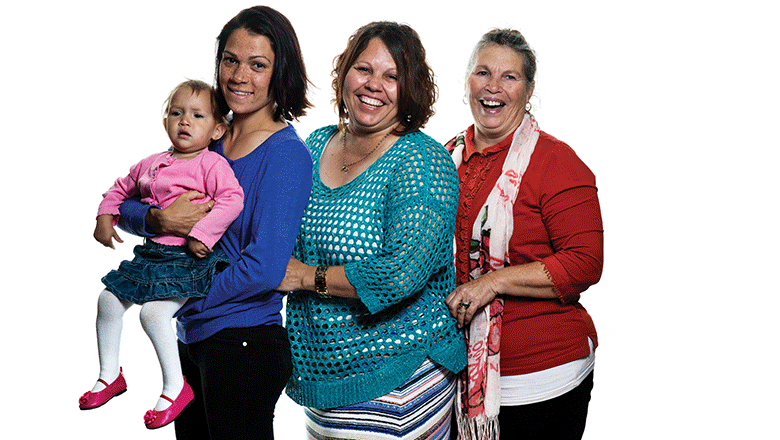
A multi-faceted study led by a Murdoch University researcher will influence the way maternity services support Aboriginal women in WA during pregnancy and birth
Find out about our approach to procurement, what we procure and how to become a Supply Partner.
The European Respiratory Society Oscillometry Taskforce identified that clinical correlates of bronchodilator responses are needed to advance oscillometry in clinical practice. The understanding of bronchodilator-induced oscillometry changes in preterm lung disease is poor. Here we describe a comparison of bronchodilator assessments performed using oscillometry and spirometry in a population born very preterm and explore the relationship between bronchodilator-induced changes in respiratory function and clinical outcomes.
Adaptive behaviour change is central to improving population health, yet poor adoption of health-enhancing behaviours contributes to noncommunicable diseases and so remains a global concern. Research on physical activity behaviour change has continued to expand and evolve since the turn of the millennium, guided by diverse theoretical approaches-from social cognitive theories, organismic dialectical approaches such as Self-Determination Theory, dual-process frameworks, and integrated practical models and taxonomies.
Improving the health of Indigenous adolescents is central to addressing the health inequities faced by Indigenous peoples. To achieve this, it is critical to understand what is needed from the perspectives of Indigenous adolescents themselves. There have been many qualitative studies that capture the perspectives of Indigenous young people, but synthesis of these has been limited to date.
The respiratory outcomes for adult survivors of preterm birth in the postsurfactant era are wide-ranging with prognostic factors, especially those encountered after the neonatal period, poorly understood.