
Search
News & Events
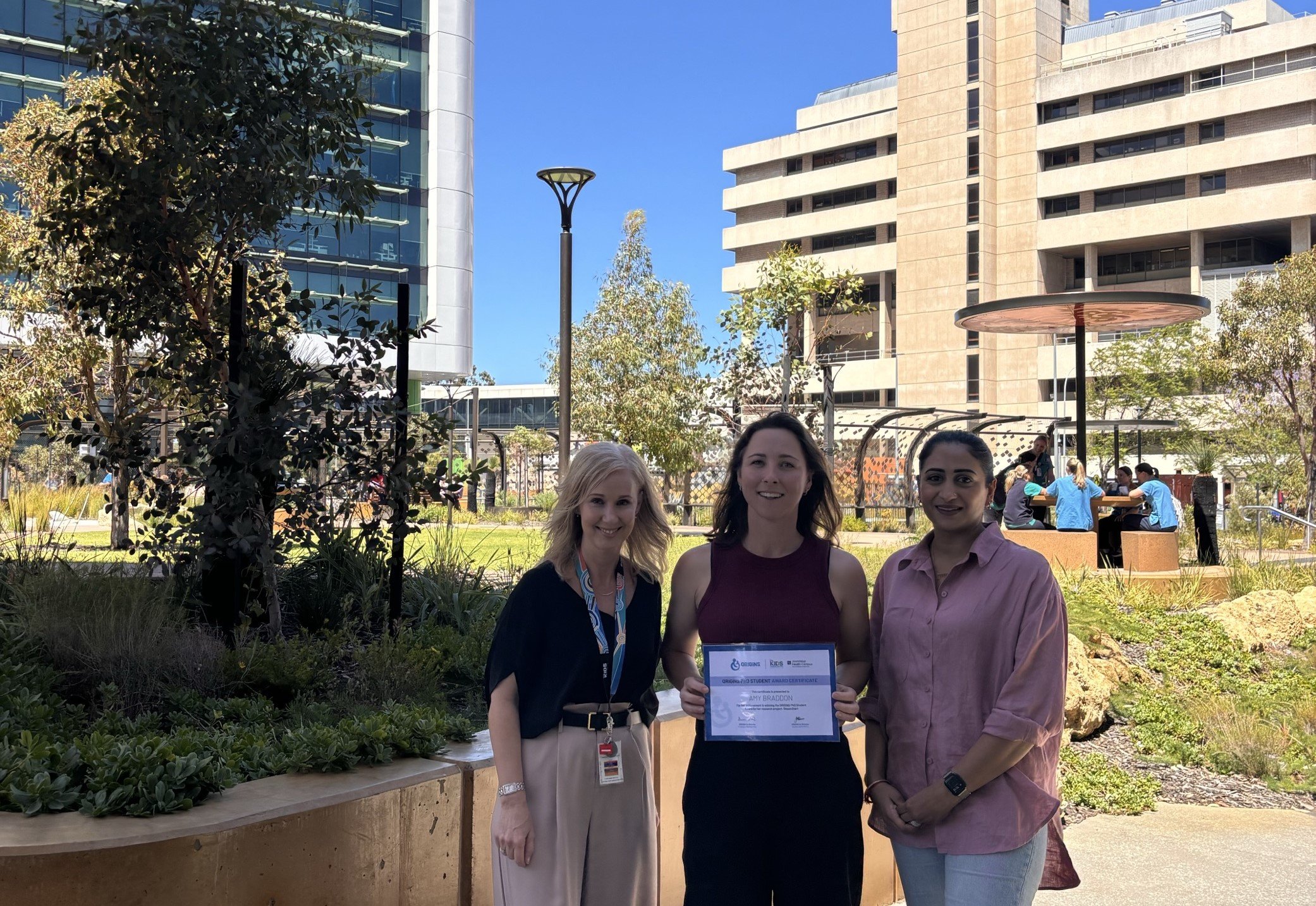
ORIGINS is pleased to announce the 2024 recipient of its inaugural PhD Student AwardMiss Braddon will be awarded with $15,000 to go towards her research project, DreamStart
Research that maps and tracks.
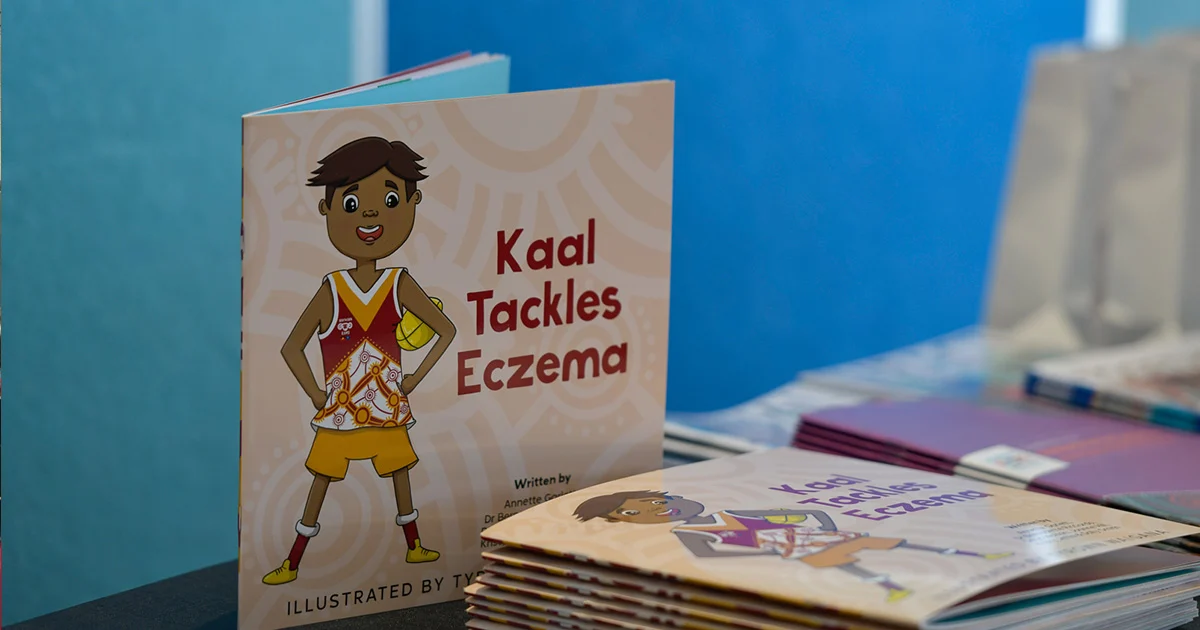
In close partnership with Aboriginal Elders and community members in Western Australia's south-west, we created ‘Kaal Tackles Eczema’, a children’s book to help Aboriginal families manage eczema. Our research showed a high prevalence and need for culturally relevant resources. The book uses Noongar language and art to educate and reduce infections, and is available online and in schools.
Research
Achieving cultural safety in genetic counseling for Aboriginal and Torres Strait Islander people in AustraliaGlobally, Indigenous people, including Aboriginal and Torres Strait Islander people in Australia, experience significantly poorer health outcomes than their non-Indigenous counterparts. In part, this can be attributed to the ongoing impacts of colonization, marginalization, and systemic discrimination. In the genomic healthcare era, Indigenous people remain underrepresented in public genetic health services, raising concerns about cultural competency and inclusivity within the genetic counseling profession.
Research
Microbiota-derived butyrate promotes a FOXO1-induced stemness program and preserves CD8+ T cell immunity against melanomaA range of microbiota species correlate with improved cancer outcomes in patients and confer protection in pre-clinical mouse models. Here, we examined how microbiota regulate CD8+ T cell immunity against melanoma. Spontaneous control of cutaneous melanoma in mice correlated with metabolic pathways required for microbial synthesis of short-chain fatty acids (SCFAs) shared between several microbiota species.
Research
Development of the Breastfed Infant Oral Microbiome Is Associated with Concentrations and Intakes of Human Milk OligosaccharidesHuman milk oligosaccharides (HMOs) are bioactive carbohydrates abundant in human milk that shape the infant gut microbiome, yet their influence on the oral microbiome remains poorly understood. This study investigated associations between HMO concentrations and infant HMO intakes and the composition of the oral microbiome in predominantly and exclusively breastfed infants.
Research
Proteomics confirms immune stabilizing effects of narrowband UVB treatment in patients with clinically isolated syndrome and multiple sclerosisMultiple sclerosis (MS) demonstrates a latitude gradient in prevalence and severity, implicating ultraviolet B (UVB) exposure and photoimmune mechanisms in disease risk and progression. While narrowband (NB)-UVB phototherapy has long stabilized inflammation in dermatology, its systemic immunomodulatory effects in MS remain incompletely defined.
Research
Change in Diet Quality and Dietary Intake From Pregnancy to 1-Year Postpartum: A Longitudinal Analysis in Australian WomenThis longitudinal analysis in Australian women evaluated change in diet quality and food and nutrient intakes from the third trimester of pregnancy to 1-year postpartum with comparison to national nutrition recommendations. Associations between diet quality, sociodemographic and health characteristics were also investigated.
Research
A randomised trial of a trauma-informed well-being program to promote mental health in adolescents with type 1 diabetes: Study protocolChildren and young people with type 1 diabetes (T1D) experience high rates of mental ill health and stress due to the emotional and cognitive energy required to manage their condition. Our team has codesigned Wellbeing T1D, a brief trauma-informed online intervention for adolescents living with T1D. This 5-week intervention will teach skills to promote problem solving, improve emotional regulation and promote helpful thinking and coping.
Research
“You can't heal yourself in that setting and you wouldn't expect other people in this country to”: Yarning about housing and environmental health in remote Aboriginal communitiesRemote Aboriginal communities in Australia are located on traditional lands holding deep cultural significance and meaning for residents. However, systemic inequity rooted in colonisation has driven persistent housing and health disparities, with inadequate environmental health conditions within homes and communities a prominent example.