
Search
Showing results for "Professor"
Research
Primary central nervous system lymphoma: Initial features, outcome, and late effects in 75 children and adolescentsChildren with Primary Central Nervous System Lymphoma and no immunodeficiency have a good outcome
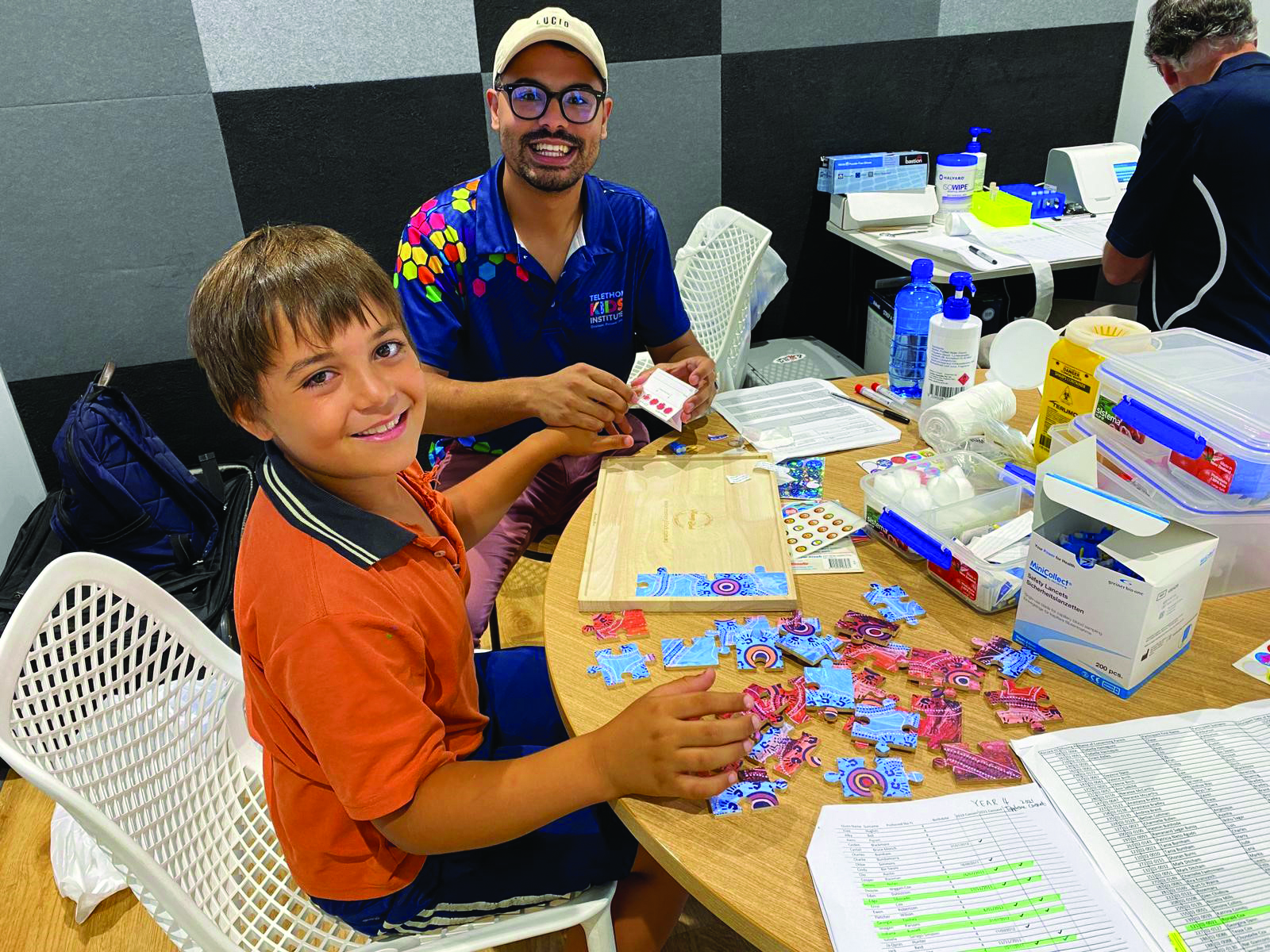
Thanks to research, a six -second test can get the answers that could save a child’s life.
Research
Immune modulation by UV: Role of vitamin DIn this chapter, evidence for and evidence against the involvement of vitamin D in the immunoregulatory properties of UV radiation is presented.

News & Events
Top-up funding announced to fast-track clinical trials of Spritz-OMResearchers developing a nasal therapy to prevent childhood ear infections and reduce overuse of antibiotics have received $300,000 in top-up funding.
News & Events
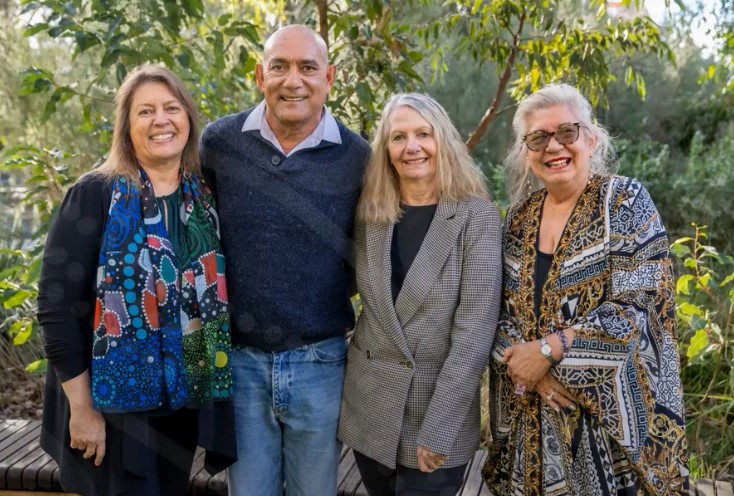
WATCH: Working Together after the referendumProfessor Helen Milroy, Michael Mitchell, and Professors Roz Walker and Pat Dudgeon sat on the panel to discuss Working Together, 10 years on.
Research
The evolution of clinical trials for infant acute lymphoblastic leukemiaDespite initial improvements in survival of infants with ALL since establishment of the first pediatric cooperative group ALL trials, the poor outcome has...
Research
Clinical characteristics of Western Australian children diagnosed with type 2 diabetes before 10 years of ageWe aimed to describe the characteristics of Western Australian children aged less than 10 years diagnosed with type 2 diabetes between June 2000 and June 2017
Research
Global fertility in 204 countries and territories, 1950-2021, with forecasts to 2100: a comprehensive demographic analysis for the Global Burden of Disease Study 2021Accurate assessments of current and future fertility-including overall trends and changing population age structures across countries and regions-are essential to help plan for the profound social, economic, environmental, and geopolitical challenges that these changes will bring. Estimates and projections of fertility are necessary to inform policies involving resource and health-care needs, labour supply, education, gender equality, and family planning and support.
Research
Molecular analysis of human tick-bitten skin yields signatures associated with distinct spatial and temporal trajectories - A proof-of-concept studyTick-associated diseases present challenges due to tridirectional interactions among host-specific responses, tick toxins and salivary proteins as well as microbes. We aimed to uncover molecular mechanisms in tick-bitten skin samples and contralateral skin samples collected simultaneously from the same participants, using spatial transcriptomics.
Research
Two decades of increasing incidence of childhood-onset type 2 diabetes in Western Australia (2000–2019)This retrospective population‐based study aimed to determine the incidence of type 2 diabetes from 2012 to 2019 in Western Australian youth aged under 16 years, and to examine temporal trends between 2000 and 2019, using data from the Western Australian Children’s Diabetes Database (WACDD). The data extracted for eligible patients diagnosed with type 2 diabetes, according to standard criteria, included diagnosis year, age, sex and self‐reported Aboriginal or Torres Strait Islander status.