
Search
Showing results for "Study of bullying"
Alcohol consumption in pregnancy can affect genome regulation in the developing offspring but results have been contradictory. We employed a physiologically relevant murine model of short-term moderate prenatal alcohol exposure resembling common patterns of alcohol consumption in pregnancy in humans.
Acute megakaryoblastic leukemia of Down syndrome (DS-AMKL) is a model of clonal evolution from a preleukemic transient myeloproliferative disorder requiring both a trisomy 21 (T21) and a GATA1s mutation to a leukemia driven by additional driver mutations.
Chronic innocuous aeroallergen exposure attenuates CD4+ T cell-mediated airways hyperresponsiveness in mice; however, the mechanism(s) remain unclear
Mandatory fortification with folate frequently asked questions, answered.
Exposure to surgery and anesthesia in early childhood has been found to be associated with an increased risk of behavioral deficits. While the US Food and Drug Administration (FDA) has warned against prenatal exposure to anesthetic drugs, little clinical evidence exists to support this recommendation.
The WA Food Atlas is an interactive tool to assess the food environment across local government areas and how it changes over time.

Walkern Katatdjin's Lily Hayward was the report's lead author.
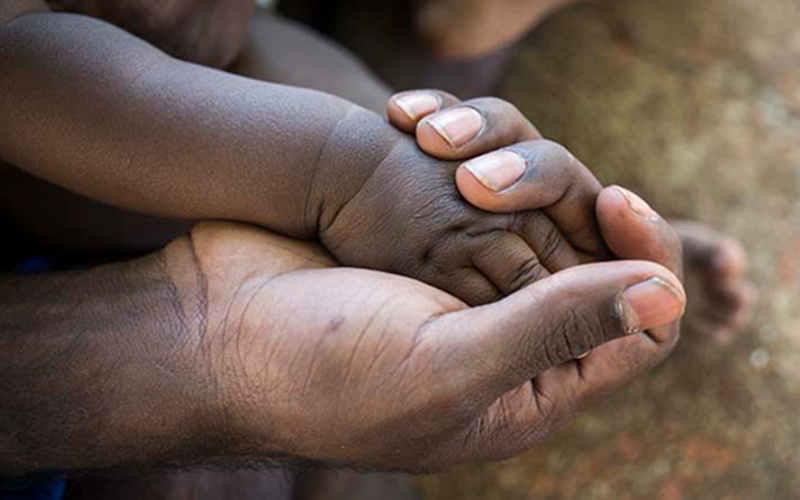
Experts are warning Aboriginal parents in Western Australia with newborn babies to be vigilant about Respiratory Syncytial Virus (RSV) as winter progresses.
Incomplete maturation of immune regulatory functions at birth is antecedent to the heightened risk for severe respiratory infections during infancy. Our forerunner animal model studies demonstrated that maternal treatment with the microbial-derived immune training agent OM-85 during pregnancy promotes accelerated postnatal maturation of mechanisms that regulate inflammatory processes in the offspring airways.
Expanded carrier screening (ECS) for recessive monogenic diseases requires prior knowledge of genomic variation, including DNA variants that cause disease. The composition of pathogenic variants differs greatly among human populations, but historically, research about monogenic diseases has focused mainly on people with European ancestry. By comparison, less is known about pathogenic DNA variants in people from other pa