
Search
Every child deserves the best possible start in life. Evidence demonstrates the period from pre-birth to three years is a vital period of development. It lays the foundations for a child’s future and has life-long impacts on health, education, job opportunities, social inclusion and wellbeing.
The importance of play for a child’s development is irrefutable. Playgroups provide a safe environment for children of similar ages to play and develop prior to starting school.

Whooping cough (pertussis) is a highly contagious respiratory infection which causes a severe cough and can be particularly dangerous to babies under a year old. Vaccination is the best way to reduce the risk of whooping cough.
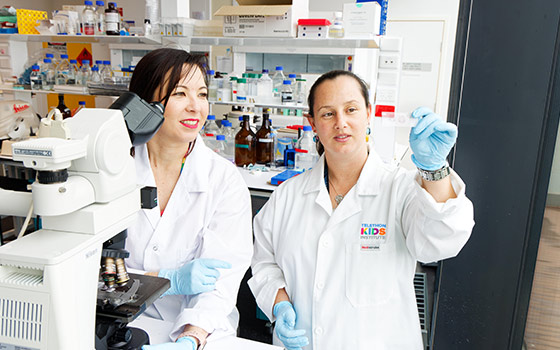
Most laboratory equipment at The Kids Research Institute Australia is owned and maintained by the Institute, in order to make this available for use by all staff and students.
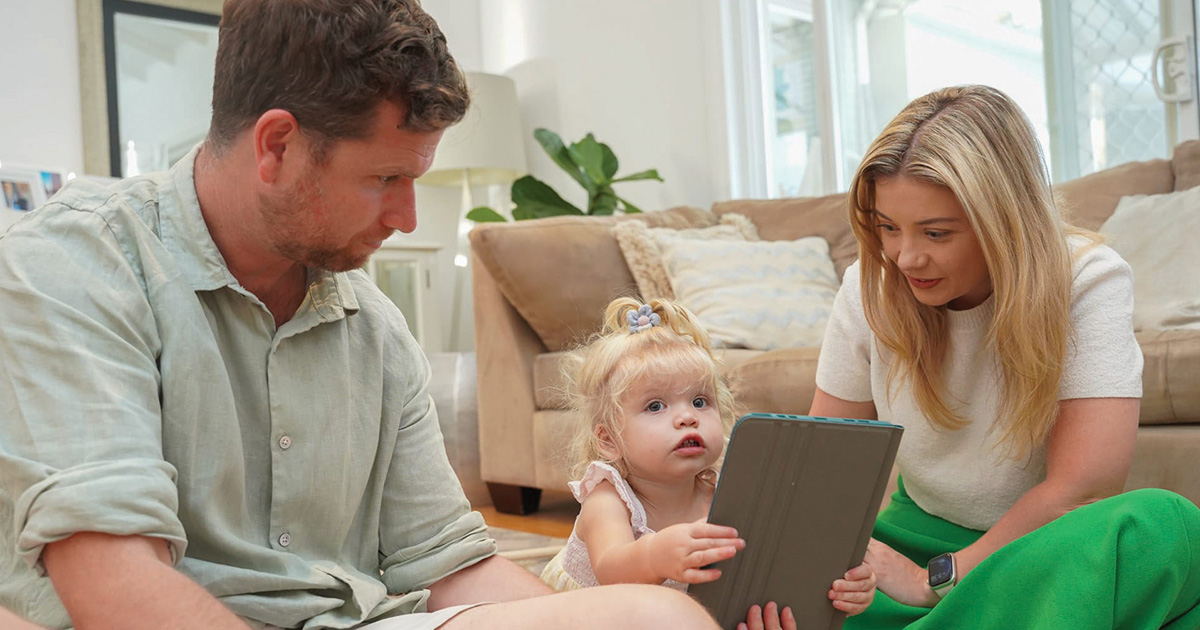
Toddlers exposed to screen time at home are hearing fewer words and making fewer vocalisations, findings from the first longitudinal study to measure the relationship between family screen use and children’s language development have shown.
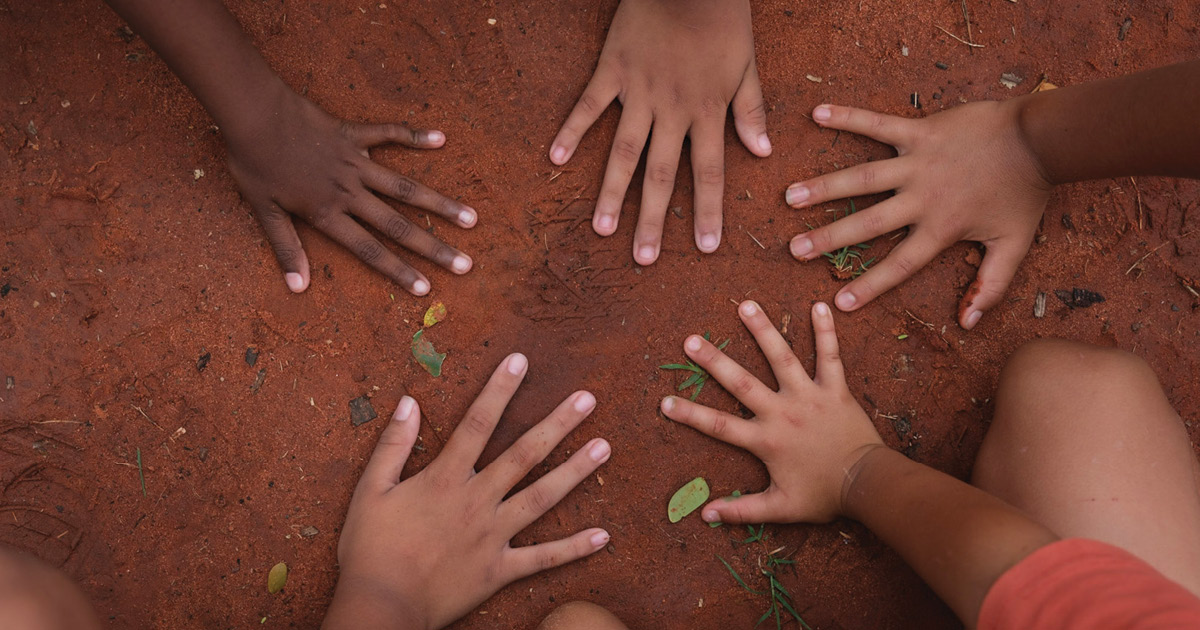
A Kimberley study seeking to better understand Strep A in remote settings is helping to guide new approaches to prevent acute rheumatic fever (ARF) – an auto-immune response that typically begins with a sore throat and causes high fever, tiredness and swollen joints.

Sports coaches across Australia can now access WA-designed sport resources, which aim to help coaches better understand type 1 diabetes (T1D) and encourage children living with the condition to stay in sport.
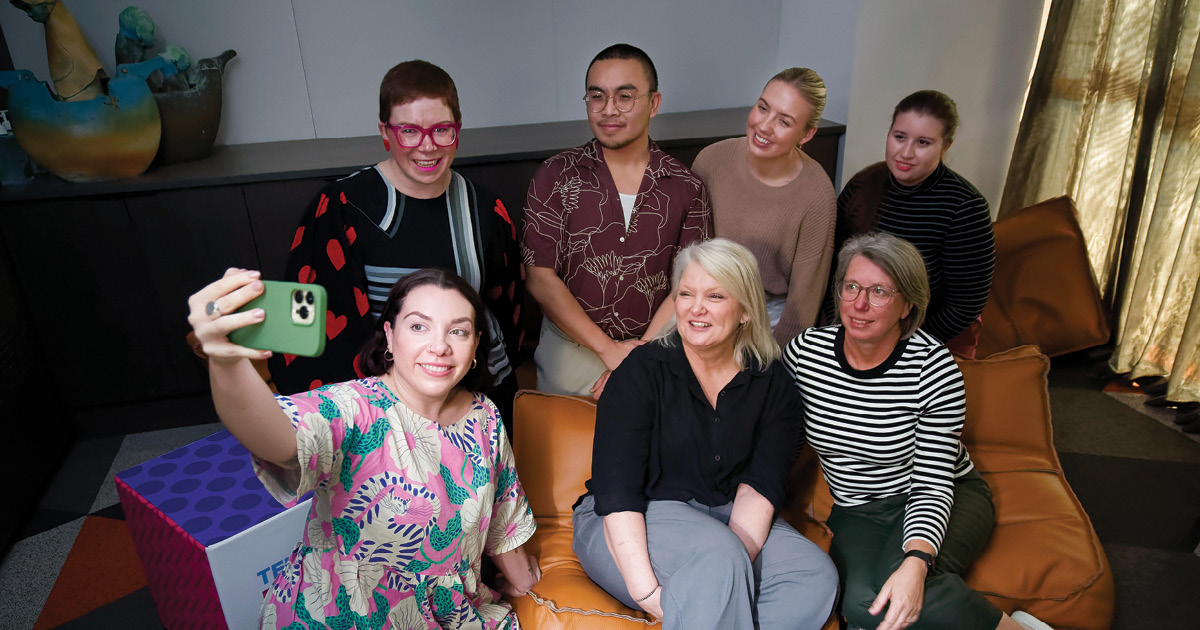
Early career researchers across The Kids Research Institute Australia have come together in a serendipitous project that is laying the groundwork for a more informed discussion of the impact of social media on kids and young people.
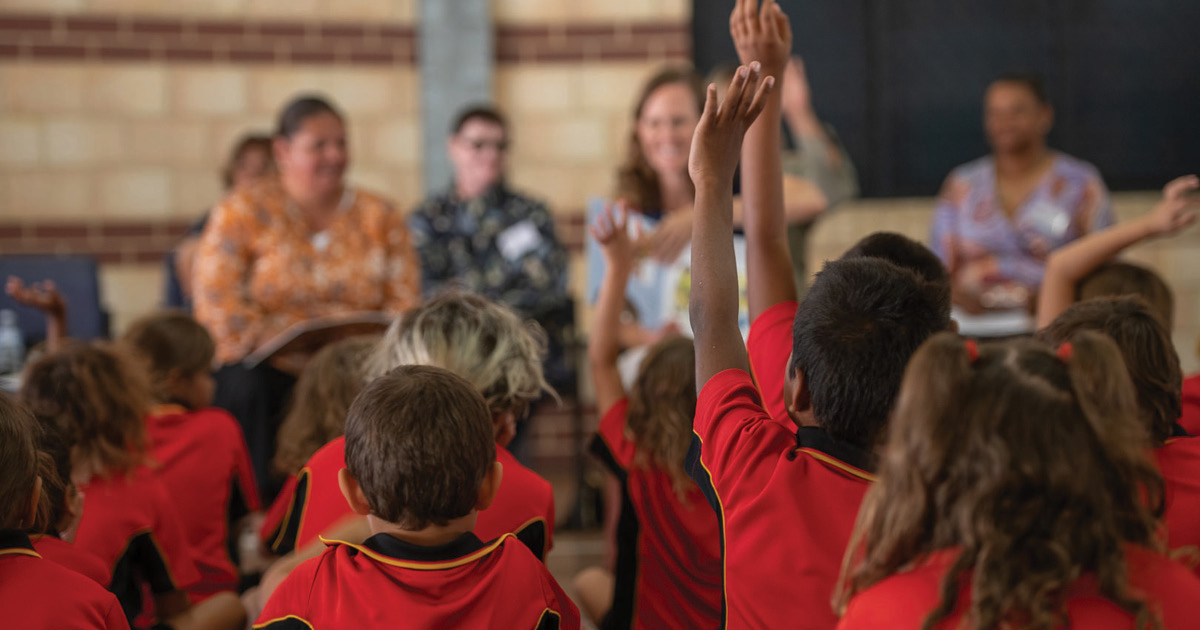
Healthy skin is a vital factor in the fight against life-threatening conditions like sepsis, heart disease and kidney disease, all of which can be caused by the bacteria Strep A.
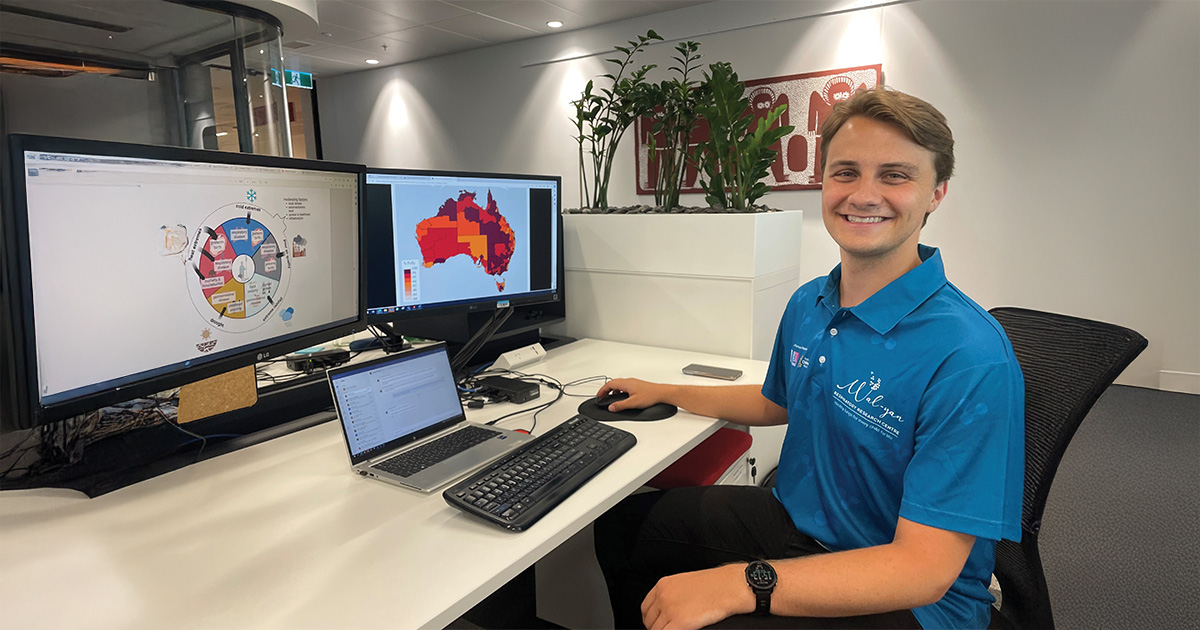
Researchers from The Kids Research Institute Australia who are working to better understand the serious threat climate change poses to children’s health have led a study revealing the dramatically heightened risk of preterm births as the world gets hotter.