
Search
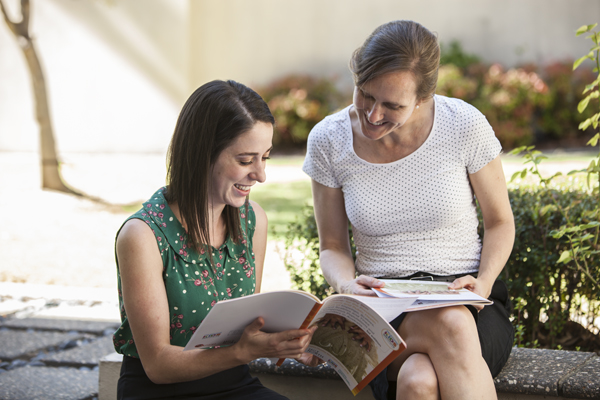
The first ever National Healthy Skin Guideline has become the gold standard for the treatment, prevention and public health control of skin infections in Indigenous populations in Australia and provides a positive framework for healthy skin.
Engaging the community in COVID-19 rapid research
The aim of RESP-ACT is to reduce these children’s respiratory hospital admissions and visits to Emergency Department, and to help them and their families to have as the best possible quality of life.
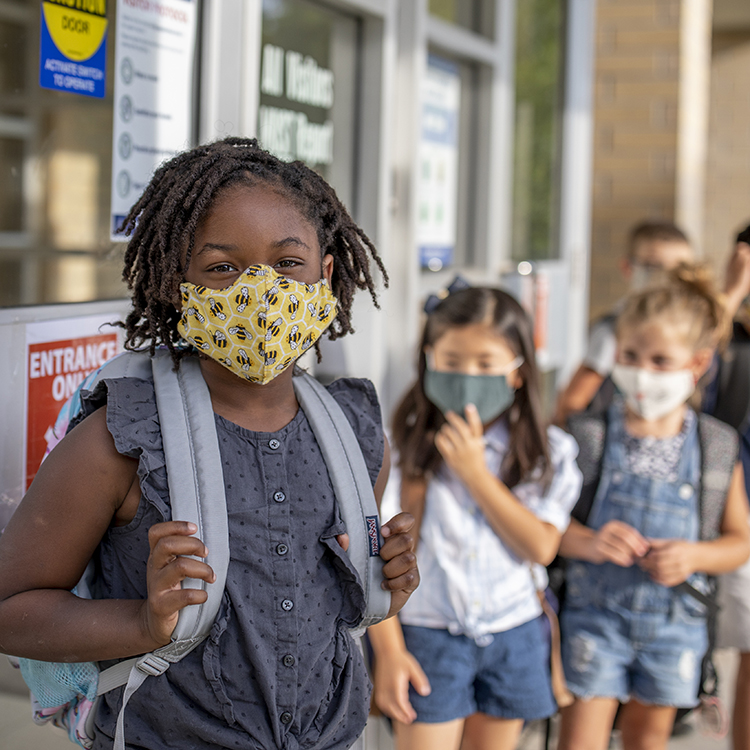
View the full catalogue of The Kids Research Institute Australia COVID-19 video resources.
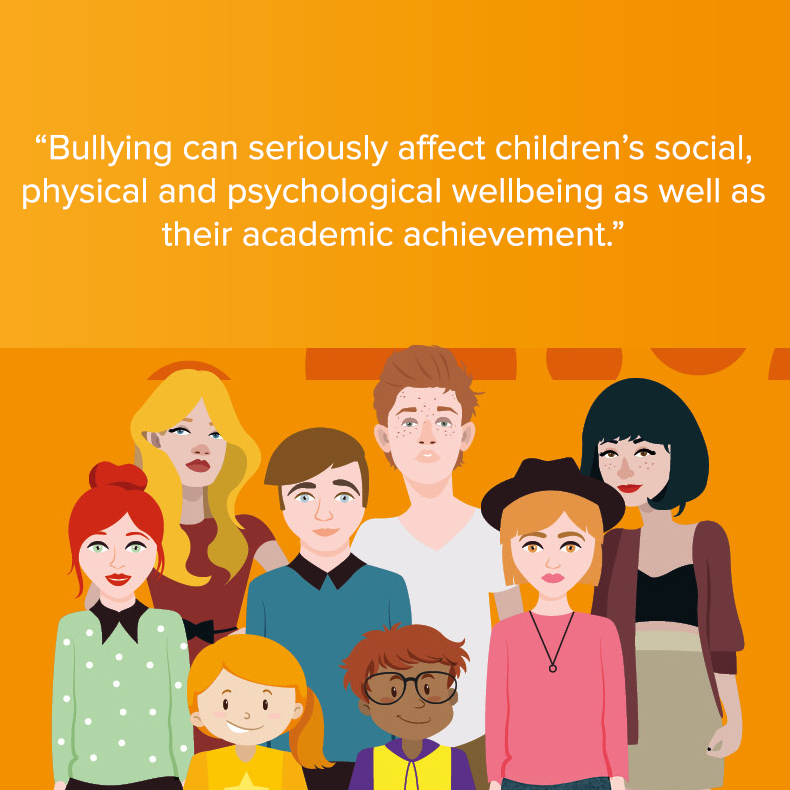
Infographics to easily learn more about bullying and what actions to take should bullying be an issue in your school or community.
Leukaemia, also spelled leukemia, is a cancer that develops in the bone marrow and results in abnormal white blood cells. It is the most common cancer in children, accounting for almost a third of all childhood & teen cancers.
In Vitro Fertilisation (IVF) is an Assisted Reproductive Technology (ART) in which an egg is fertilised by sperm outside the body.
Despite the various traumatic events that a young person living with type 1 diabetes (T1D) may experience, little is known about the burden and manifestation of traumatic stress in this population. Though mental health outcomes have been explored generally, medical trauma-sensitive approaches to understanding these experiences remain limited. We utilised a qualitative descriptive approach to explore the impact of T1D on young people’s mental health through the paediatric medical traumatic stress model.
Perceived stigma and self-stigma negatively affect identity-related, psychological and functional outcomes among stigmatised populations. There is limited research exploring the impact of stigma among young people at ultra-high risk (UHR) for psychosis. We investigated the association of perceived stigma and self-stigma with these outcomes in young people at UHR.
Little evidence exists on the postoperative trajectory after paediatric orthopaedic surgery. Pain and behavioural disturbance can have short- and long-term impacts on children and their families. An improved understanding of procedure-specific postoperative trajectories can enhance recovery. The primary outcome was to examine the duration and severity of postoperative pain experienced by children undergoing 10 commonly performed orthopaedic procedures.