
Search
Showing results for "Study of bullying"
The induction of DNA damage has been employed as an anticancer strategy for more than 100years, first starting with the use of radiation to treat stomach cancer followed by the first uses of DNA-damaging chemotherapy to treat childhood leukemia.
Improvements in neonatal critical care have resulted in more people than ever reaching adulthood after being born prematurely. At the same time, it is becoming clearer that preterm birth can increase the risk of respiratory disease throughout a person’s lifetime. Awareness that a patient was born preterm can enable early specialist assessment and intervention when there is any concern about lung health.
Despite immense benefits of physical activity on health and developmental outcomes, few children achieve recommended daily levels of physical activity. Given more than half of families with children own a dog, we investigated the effect of a mobile health (mHealth) intervention to encourage dog-facilitated physical activity through increased family dog walking and children's active play with their dog.
We aimed to ascertain the fit of the European Respiratory Society Global Lung Initiative 2012 reference ranges to contemporary Australasian spirometric data.
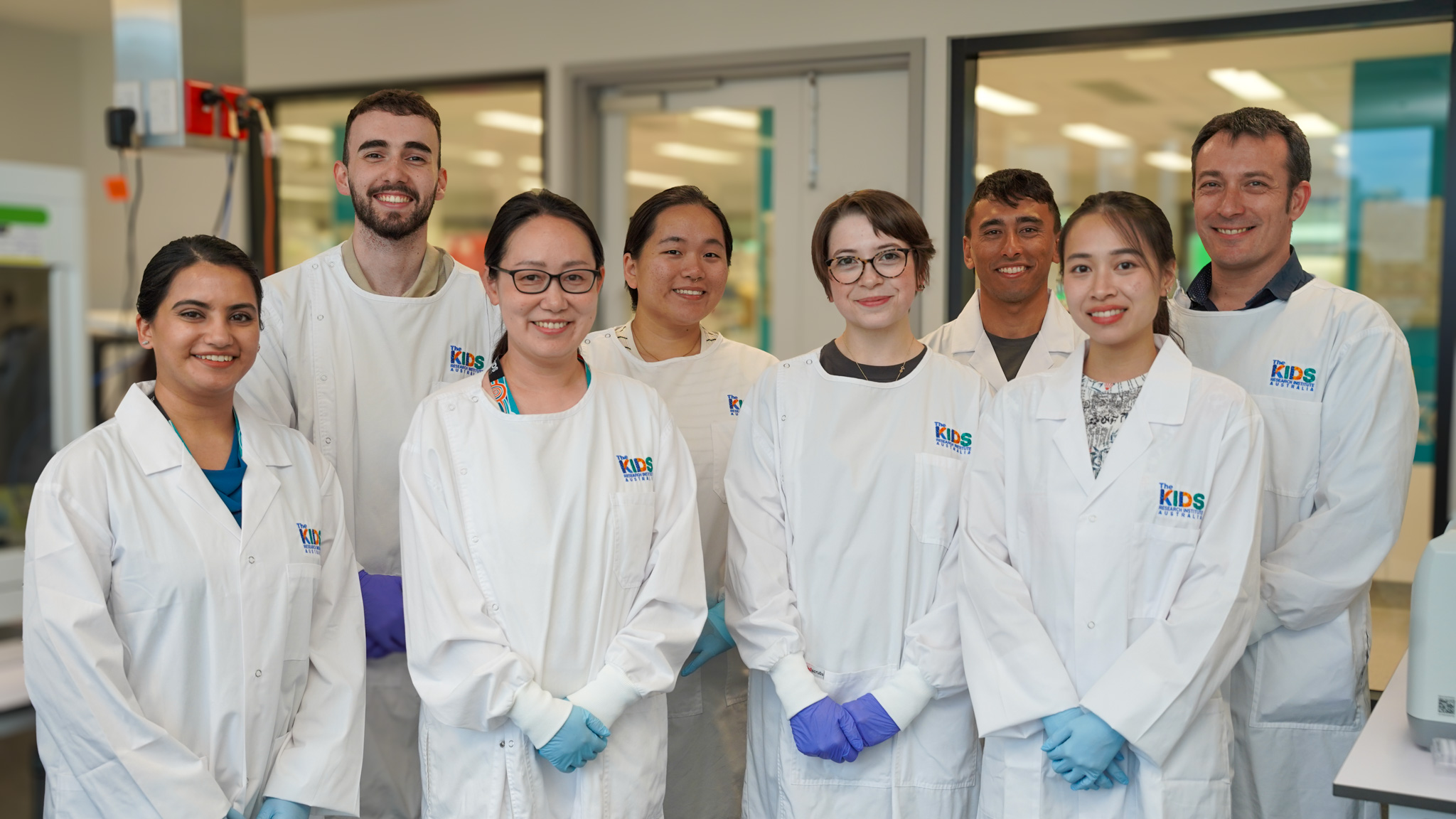
The Translational Genomics in Leukaemia team is focused on identifying the causes of leukaemia, with the goal of developing new targeted treatments to improve quality of care and long-term survival for all children with leukaemia.
Debbie Palmer BSc BND PhD Head, Nutrition in Early Life debbie.palmer@uwa.edu.au Head, Nutrition in Early Life Areas of research expertise: Maternal
Sepsis is one of the leading causes of neonatal mortality. There is heterogeneity in the outcomes measured and reported in studies of neonatal sepsis. To address this challenge, a core outcome set (COS) for research on neonatal sepsis was needed.
Brain development during the preschool period is complex and extensive and underlies ongoing behavioral and cognitive maturation. Increasing understanding of typical brain maturation during this time is critical to early identification of atypical development and could inform treatments and interventions.
Australian Aboriginal people experience stressors from inequalities across crucial social determinants, including deep and entrenched disadvantage and exclusion. The impact of unaddressed historical issues is pervasive and intergenerational. The disproportionate rates of Aboriginal youth suicide, juvenile detention and imprisonment highlight the inadequacy of existing social and emotional wellbeing programs and services for Aboriginal children and young people.
Creating the conditions for meaningful relationships is essential to understanding Aboriginal worldviews and co-designing ways of working to achieve better health outcomes. Non-Aboriginal health professionals struggle to recognise the importance of social relationships to Aboriginal peoples and tensions emerge due to these different worldviews informed by different ontologies and epistemologies. This is more so in clinical settings where training and models of care are often inadequate for working with Aboriginal people.