
Search
Showing results for "Study of bullying"
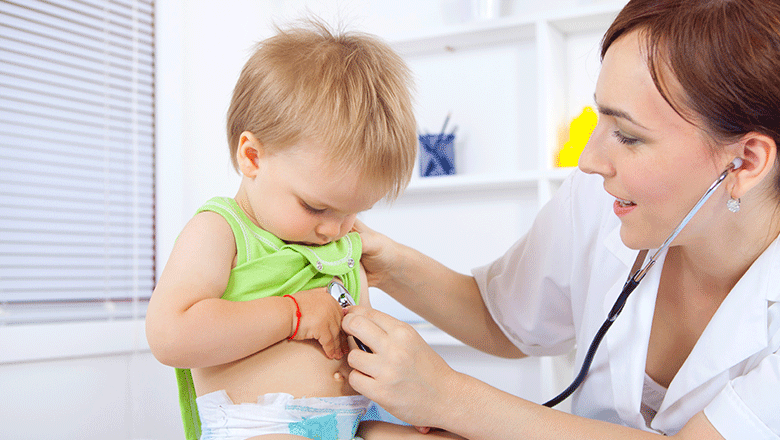
A The Kids Research Institute Australia study designed to gauge community awareness of respiratory syncytial virus (RSV) has found parents and parents-to-be are highly aware of the virus and are open to immunisation to tackle it.

As a parent, it can be very stressful to learn that your child is being bullied. Our instinct is to protect our children at all costs - but how exactly should we do this?
The rates of RHD in Timor-Leste are among the highest in the world, and prevalence is higher among girls than boys. Community engagement is essential for ensuring follow-up and the effective delivery of secondary prophylaxis.
Current immunization guidelines recommend one dose of influenza vaccine for children aged ≥9 years and two doses for younger or vaccine-naïve children. However, children receiving chemotherapy have an attenuated immune response. We performed a prospective open-label study in children undergoing treatment for cancer at Perth Children's Hospital, Western Australia, to examine the safety and efficacy of a boosted influenza schedule.
Asha Jacinta Bernadette Bowen Walton Ricciardo BA MBBS DCH FRACP PhD GAICD FAHMS OAM MBBS (hon) DCH FACD Head, Healthy Skin and ARF Prevention
Our aim was to examine the school performance of children with type 1 diabetes in comparison to their peers, exploring changes over time, and the impact of...
Christopher Jennifer Peter Blyth Kent Richmond MBBS (Hons) DCH FRACP FRCPA PhD RN MBBS MRCP(UK) FRACP Centre Head, Wesfarmers Centre of Vaccines and
Maternal influenza and pertussis vaccination is an important strategy to reduce morbidity and mortality in infants. Previous vaccine safety studies have mostly focused on the association between maternal vaccination and fetal death.
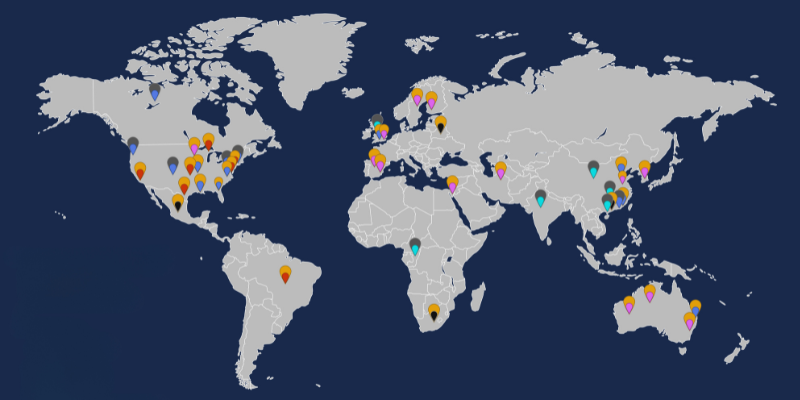
Increased numbers of preterm births, higher incidence of respiratory disease and death, and more children in hospitals are some of the stark health outcomes the world is facing from the impacts of extreme climate change.
The objective of this study was to investigate cardiometabolic health markers among Aboriginal adolescents aged 10-24 years and relationships with age, gender, and body composition.