
Search
Showing results for "Study of bullying"
Raelene Nick Endersby Gottardo BSc (Hons) PhD MBChB FRACP PhD Brainchild Fellow; Co-Head, Brain Tumour Research Head of Paediatric and Adolescent
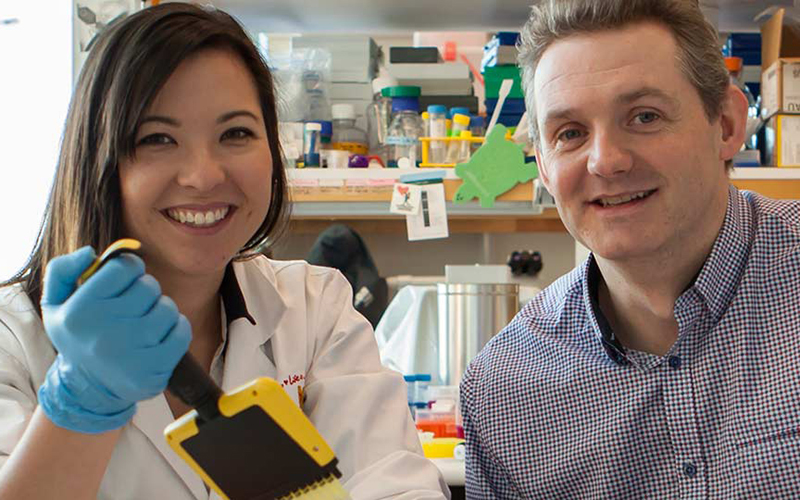
A new combination of drugs could help to increase survival rates with fewer side effects for some children with one of the most aggressive forms of childhood brain cancer.
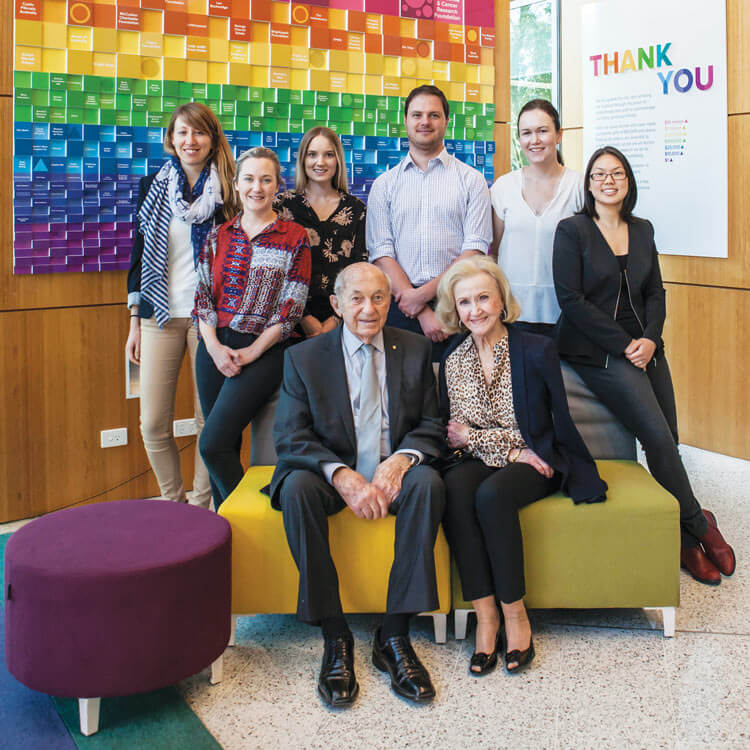
Philanthropically-minded members of the community are lending their support to The Kids Research Institute Australia’s up-and-comers.
Ion channel activity underlying biological processes that drive high-grade gliomas (HGG) is largely unknown. We aimed to determine the networking of ion channel genes and validate their expression within HGG patient tumors, to identify ion channel-targeting drugs that would inhibit tumor-promoting processes.
We describe two unusual cases of MPE and use DNA methylation analyses to compare their signatures to try and distinguish if these represent a unique subset.
Consensus recommendations are outlined to direct preschool device design, test performance, and data analysis for the MBW technique
Medulloblastoma is a highly malignant small round blue cell tumor of the posterior fossa
Namibia, a low malaria transmission country targeting elimination, has made substantial progress in reducing malaria burden through improved case management, widespread indoor residual spraying and distribution of insecticidal nets. The country's diverse landscape includes regions with varying population densities and geographical niches, with the north of the country prone to periodic outbreaks.
The optimal time to bolus insulin for meals is challenging for children and adolescents with type 1 diabetes (T1D). Current guidelines to control glucose excursions do not account for individual differences in glycaemic responses to meals.
The use of three-dimensional printing in chemistry education has expanded greatly in the past 10 years. The technique has been used to demonstrate a range of concepts including molecular structure, orbitals, and point groups; to produce chemical equipment such as cuvettes and columns; and even to print out mathematical shapes and functions. Here, 3D printing is used to create physical models of two-dimensional NMR spectra and HPLC chromatograms to facilitate student understanding of these challenging concepts.