
Search
Showing results for "Study of bullying"
This project will explore fathers’ attitudes and behaviours regarding the alcohol-related parenting of 10-17-year-old children.

Developmental Origins of Health and Disease
Children with medical comorbidities are at greater risk for severe influenza and poorer clinical outcomes. Despite recommendations and funding, influenza vaccine coverage remains inadequate in these children. We aimed to systematically review literature assessing interventions targeting influenza vaccine coverage in children with comorbidities and assess the impact on influenza vaccine coverage.

Three outstanding The Kids Research Institute Australia researchers have been named finalists in the 2016 Premier's Science Awards
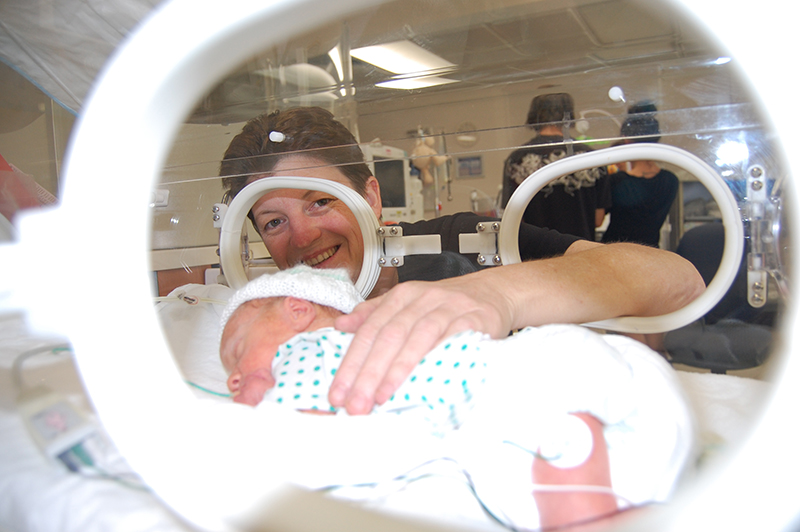
The Chronobiology team works to understand the factors that contribute to poor lung and heart function in newborn infants and find ways to prevent heart and lung disease.
Paediatric cancer is the leading cause of disease-related death in Australian children. Limited research focuses on cancer in Aboriginal and Torres Strait Islander children. Although there appears to be a lower incidence of cancer overall in Aboriginal and Torres Strait Islander children compared with non-Indigenous children, a high proportion of Aboriginal and Torres Strait Islander children are diagnosed with acute myeloid leukaemia.
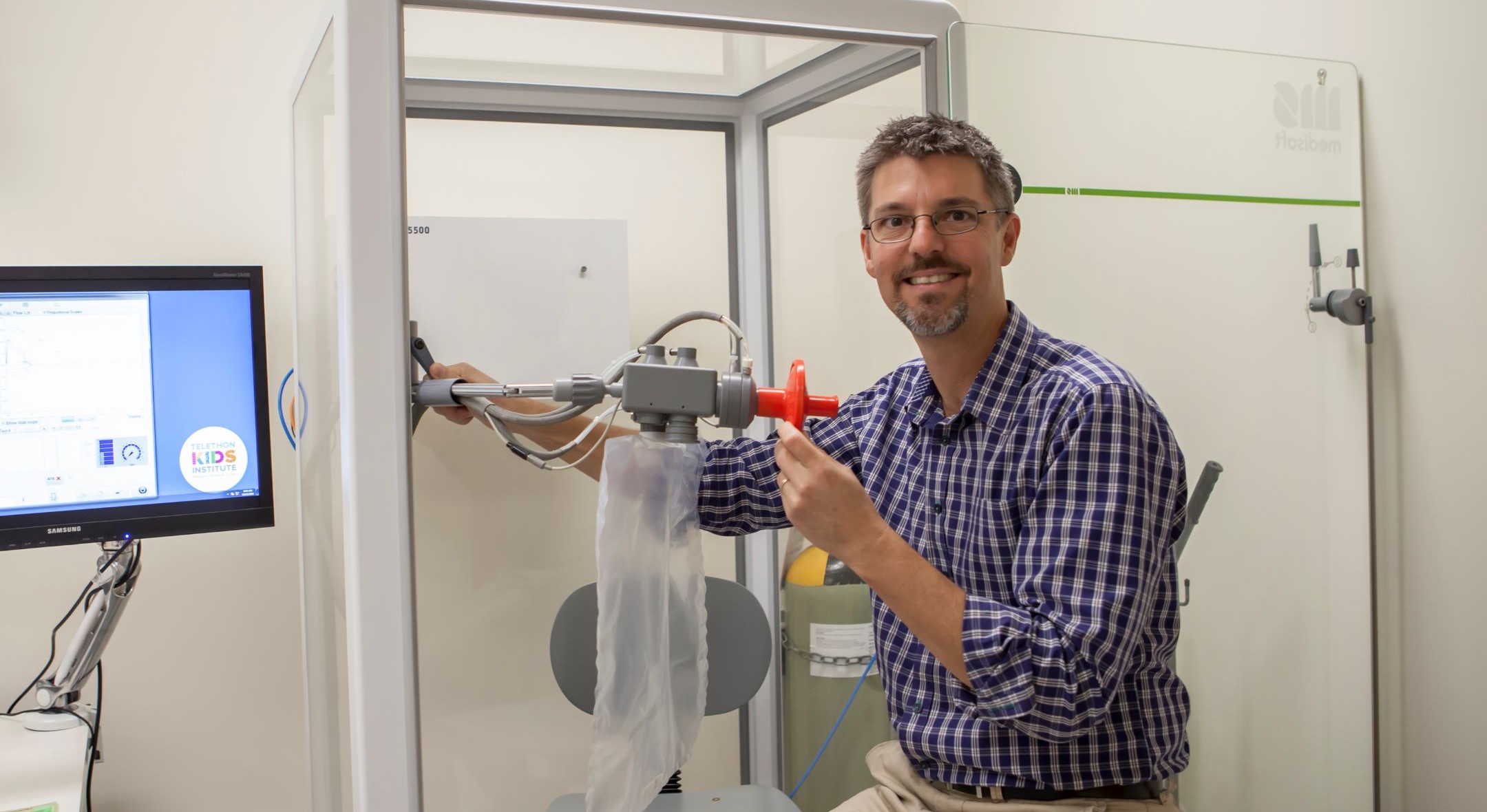
A global network of researchers and clinicians, co-led by The Kids’ Professor Graham Hall, has transformed international best practice in identifying low lung function and diagnosing and treating lung disease.
This article reflects on deeply ingrained societal biases with regard to gender. Patriarchal structures and gender socialization have created a perceived incongruity between traditional leadership qualities and traits associated with women. This perception, explained by the role congruity theory, contributes to prejudice against female leaders and can lead to toxic male behavior being misidentified as "strong" leadership. We further examine cognitive shortcuts, specifically implicit bias and the affect heuristic, which perpetuate unconscious favoritism towards male leaders.
When doctors working within healthcare systems under pressure perpetrate, witness, or fail to prevent acts that contradict their own moral or ethical values and expectations, it can lead to moral distress or moral injury. This can result from active behaviour and from purposeful inactive behaviour. It is a growing and critical concern, representing significant distress that extends far beyond traditional concepts such as burnout. This article discusses moral injury in clinical and academic medicine and actively gives suggestions to prevent and address moral injury.
Christopher Blyth MBBS (Hons) DCH FRACP FRCPA PhD Centre Head, Wesfarmers Centre of Vaccines and Infectious Diseases; Co-Head, Infectious Diseases