
Search
Showing results for "Professor"
Research
Molecular-genetic profiling and high-throughput in vitro drug screening in NUT midline carcinoma-An aggressive and fatal diseaseOur data emphasize the heterogeneity of NMC and highlights genetic aberrations that could be explored to improve therapeutic strategies.
Research
Respiratory toxicology of e-cigarettes: effect of vapours on lung function and inflammationElectronic cigarettes (ECs) have been rapidly gaining ground on conventional cigarettes due to their efficiency in ceasing or reducing tobacco consumption,...
Research
Vitamin D in fetal development: Findings from a birth cohort studyBirth cohort studies provide an invaluable resource for studies of the influence of the fetal environment on health in later life.
Research
In utero exposure to low dose arsenic via drinking water impairs early life lung mechanics in miceAll alterations to lung mechanics following in utero arsenic exposure were recovered by adulthood.

For children with Austin Spectrum Disorder (ASD), it can be hard to enjoy the simple pleasures of art, but the development of an ASD guide is helping to share the wonders of art with all.
Research
Effects of dog ownership on children’s social-emotional development: findings from the PLAYCE cohort studyDog ownership is common in families with children and could play a role in children's social-emotional development. This study used longitudinal data on dog ownership and changing dog ownership to investigate their effects on young children's social-emotional development.
Research
Residential mobility amongst children and young people in Wales: A longitudinal study using linked administrative recordsChild poverty remains a major global concern and a child's experience of deprivation is heavily shaped by where they live and the stability of their local neighbourhood. This study examines frequencies and patterns of residential mobility in children and young people at a population level using novel geospatial techniques to assess how often their physical environment changes and to identify geographical variations in social mobility.
Research
The Power of GenomicsDue to an advanced understanding of cancer biology and the rapid development of genomic technologies, cancer has shifted from 200 diseases based on pathology (i.e., what a tumor looks like under the microscope) to thousands of diseases based on molecular tumor profiles (i.e., what a tumor looks like when its altered genome is interrogated). Most cancers arise from alterations to the genome, including changes in the number or structure of chromosomes and variations in a single building block of the genetic code.
News & Events
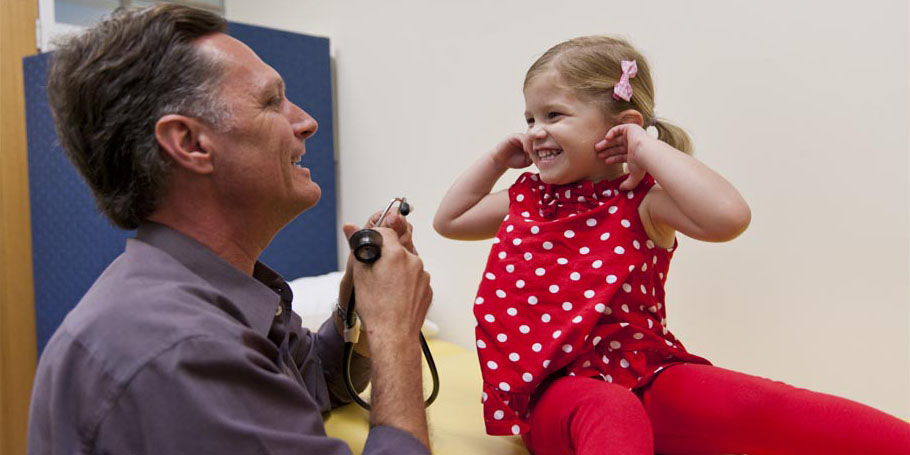
National honour for The Kids DirectorLeading paediatrician, infectious diseases specialist and Executive Director of The Kids Research Institute Australia, Professor Jonathan Carapetis, has been recognised for his significant contribution towards medical research with the award of Member of the Order of Australia (AM).

News & Events
Data reforms will improve nation’s healthThe Kids Research Institute Australia welcomes the Australian Government’s commitment to invest $65 million to transform the nation’s data system and the way data is used