
Search
Showing results for "Study of bullying"
There is limited information on changes in FOT outcomes in healthy children beyond the preschool years and the level of bronchodilator responsiveness (BDR)...
Young people who are overweight/obese are more likely to display expFL during submaximal exercise compared with children of healthy weight.
An 18-year (1990-2007) retrospective review of patients with Skull-base osteomyelitis (SBO) presenting to Westmead Hospital was performed.
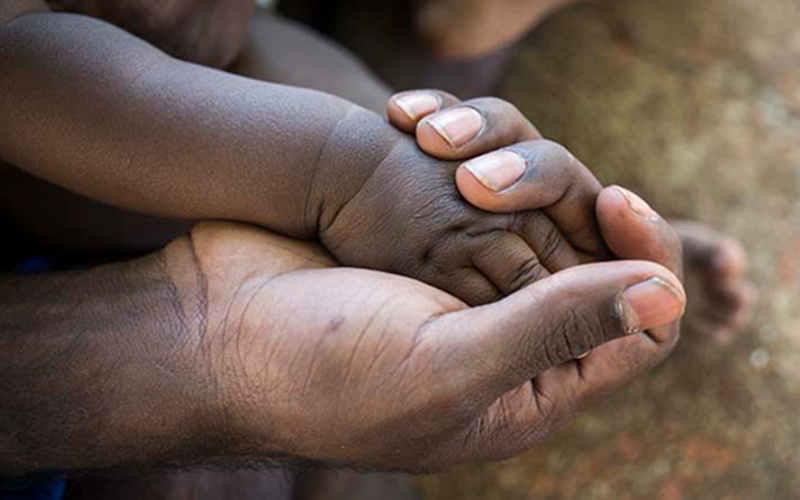
Experts are warning Aboriginal parents in Western Australia with newborn babies to be vigilant about Respiratory Syncytial Virus (RSV) as winter progresses.
This map illustrates extensive consultations that have taken place with Aboriginal and Torres Strait Islander peoples on the topic of suicide.
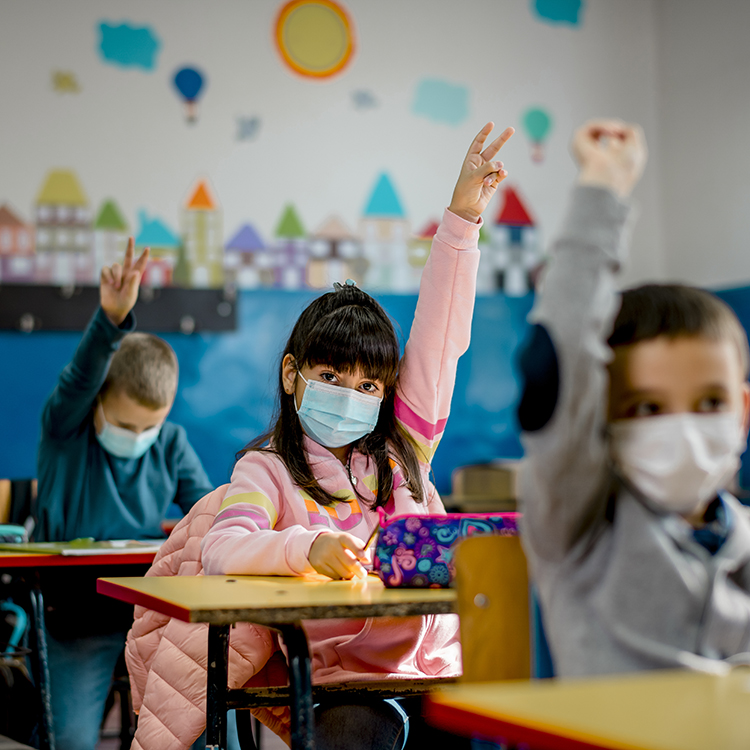
With the number of COVID-19 infections in Western Australia continuing to grow – including confirmed cases in children – The Kids Research Institute Australia understands that our community is growing increasingly worried.
Down syndrome, also known as Trisomy 21, is one of the most common chromosome abnormalities in humans. It occurs when a child's cells end up with 47 chromosomes instead of the usual 46. Down syndrome causes intellectual disability and other physical and learning challenges.
In a sunny country such as Australia, it’s important to identify how to achieve the right amount of sun exposure for good health. We need to be able to harness the benefits of vitamin D and sunlight while remaining protected from the proven dangers of too much UV radiation.
Children with cerebral palsy face challenges in maintaining oral hygiene; data on their oral health practices and outcomes are limited.
Assessment of motor competence is critical for planning and monitoring children's development. However, many assessment tools require time, training, and resources not available to most teachers. We aimed to evaluate the external aspect of construct validity of a rapid product-oriented fundamental movement skill assessment tool designed specifically for primary education settings.