
Search
Showing results for "Study of bullying"

The Early Years Systems Evidence (EYSE) team specialises in working in partnership with governments and service providers, with a distinct focus on improving the life chances of children in Australia.
Sébastien Rishi S. Laurence Timo Malinge Kotecha Cheung Lassmann PhD MB ChB (Hons) MRCPCH FRACP PhD BPharm (Hons) MBA PhD BSc (Hons) MSc PhD
Pertussis hospitalisation is more common among infants born prematurely, who have significant comorbidities, or are Indigenous, but acellular pertussis (aP) vaccine effectiveness (VE) estimates in these sub-groups are lacking. We measured aP VE by Indigenous status, and policy-relevant categories of prematurity and comorbidity, in a population-based Australian cohort.
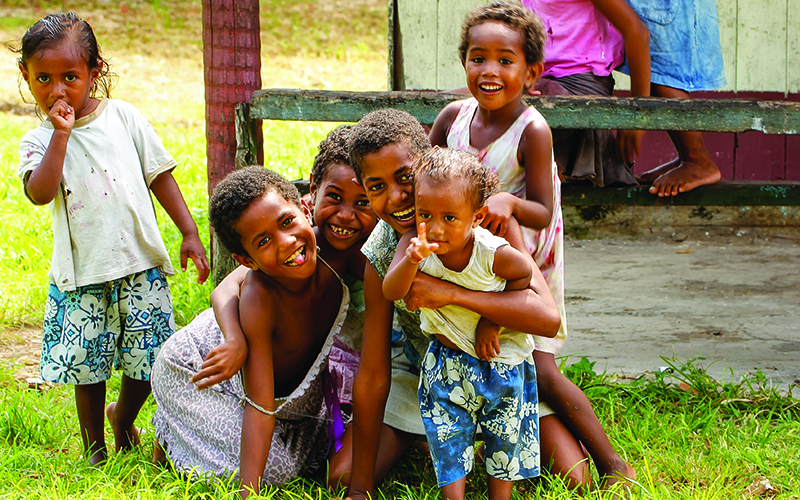
Children in the tiny Pacific nation of Tuvalu face a unique threat that should be a wake-up call to other countries across the world.

Pneumococcal – a bacterial infection that can cause pneumonia and meningitis – is responsible for 1000s of hospital admissions in Australia each year, many of them children.
To improve the health of the community through immunisation and prevention of infectious diseases, we are conducting clinical trials of vaccines.

The Deborah Lehmann Research Award in Paediatric Infectious Disease Research is a funding mechanism to support the training and development of early- to mid-career researchers (EMCR) or Higher Degree by Research (HDR) students who are nationals from the Pacific Region working in or outside their hom
Occurring in 1% of school-aged children, Tourette syndrome is a neurodevelopmental disorder characterised by uncontrollable movements and vocalisations known as tics.
Adverse prenatal conditions can induce intrauterine growth restriction and increase the risk of adulthood metabolic disease. Mechanisms underlying developmentally programmed metabolic disease remain unclear but may involve disrupted postnatal circadian rhythms and kisspeptin signalling.
Monitoring the number of COVID-19 patients in hospital beds was a critical component of Australia's real-time surveillance strategy for the disease. From 2021 to 2023, we produced short-term forecasts of bed occupancy to support public health decision-making.