
Search
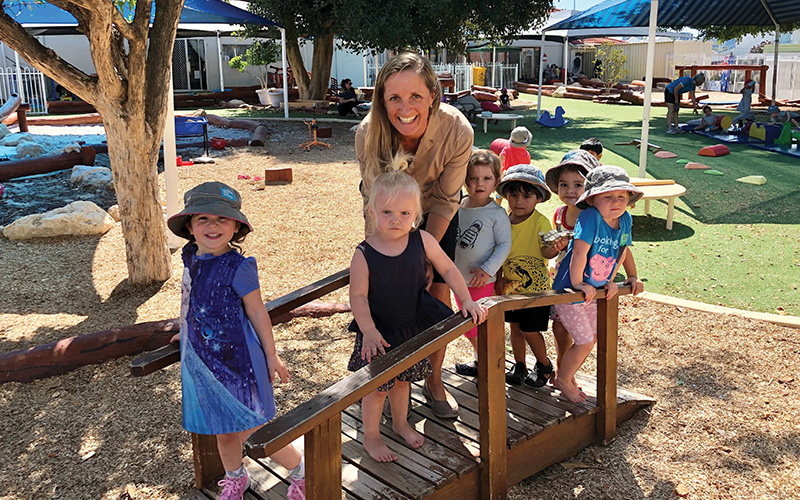
Not too long ago, if you had mentioned physical activity to educators at the Sonas Early Learning & Care centres run by Shelley Prendergast, they would automatically have reached for the trusty old obstacle course.
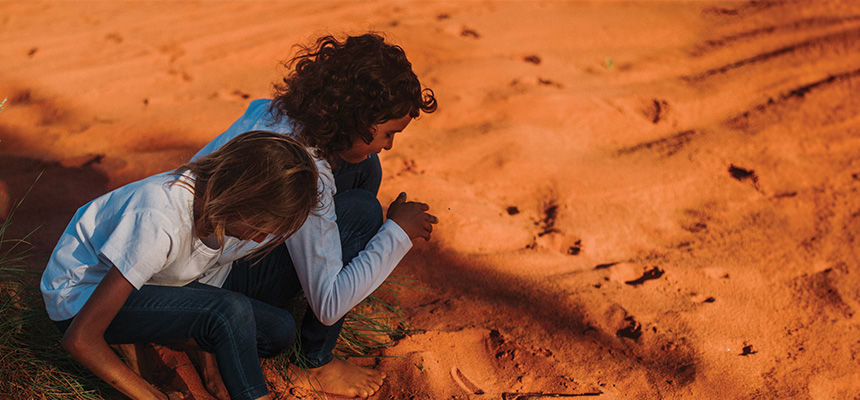
Aboriginal families and communities have endured the imposition of countless ‘solutions’ and had to live with the consequences of these ineffective initiatives. Those consequence are sadly evident in the unrelenting gap in outcomes for Aboriginal kids, compared with other Australian children.
Research
School AttendanceEach day of school missed makes a difference, with the effect on learning accumulating over time. From an early age, if children are taught that they need to 'show up' for school and make a commitment, this positive mentality aids academic and career success and brings benefits in adulthood.
On this Research Impact page, we list stories helping to show our exciting in-progress research currently "in the pipeline" towards translation. This is research which shows a real spark of potential to make a significant difference to children and families worldwide.
Research
Performance characteristics and potential public health impact of improved pre-erythrocytic malaria vaccines targeting childhood burdenNew malaria vaccine development builds on groundbreaking recommendations and roll-out of two approved pre-erythrocytic vaccines (PEVs); RTS,S/AS01 and R21/Matrix-M. Whilst these vaccines are effective in reducing childhood malaria within yearly routine immunization programs or seasonal vaccination, there is little evidence on how different PEV efficacies, durations of protection, and spacing between doses influence the potential to avert uncomplicated and severe childhood malaria.
Research
Extreme weather events, home damage, and the eroding locus of controlThe catastrophic consequences of natural disasters on social and economic systems are extensively documented, yet their influence on individuals' sense of control over their life outcomes remains unexplored. This study pioneers an investigation into the causal effects of natural disaster-related home damage on the locus of control.
Research
Perspectives on the origin and therapeutic opportunities in Down syndrome-associated leukemiaIt is now well accepted that germline or de novo genetic alterations predispose to cancer development, especially during childhood. Among them, constitutive trisomy 21, also known as Down syndrome (DS), has been shown to predispose to acute leukemia affecting both the myeloid (ML-DS) and lymphoid (DS-ALL) lineages. ML-DS is associated with a good prognosis compared to children without DS, due in part to a higher sensitivity to conventional chemotherapy.
Research
Interventions to prevent post-tuberculosis sequelae: a systematic review and meta-analysisTuberculosis (TB) remains a global public health challenge, causing substantial mortality and morbidity. While TB treatment has made significant progress, it often leaves survivors with post-TB sequelae, resulting in long-term health issues.
Research
An Analysis of the Gut Microbiota and Related Metabolites following PCSK9 Inhibition in Statin-Treated Patients with Elevated Levels of Lipoprotein(a)Atherosclerotic cardiovascular disease (ASCVD) is a leading cause of global mortality, often associated with high blood levels of LDL cholesterol (LDL-c). Medications like statins and PCSK9 inhibitors, are used to manage LDL-c levels and reduce ASCVD risk. Recent findings connect the gut microbiota and its metabolites to ASCVD development.
Research
Hybrid Closed-Loop Versus Manual Insulin Delivery in Adults With Type 1 Diabetes: A Post Hoc Analysis Using the Glycemia Risk IndexGlycemia risk index (GRI) is a novel composite metric assessing overall glycemic risk, accounting for both hypoglycemia and hyperglycemia and weighted toward extremes. Data assessing GRI as an outcome measure in closed-loop studies and its relation with conventional key continuous glucose monitoring (CGM) metrics are limited.