
Search
A series of fact sheets have been prepared on a number of issues relating to Indigenous suicide prevention, from our investigations and roundtable discussions.
Strengthening the capacity of Aboriginal children, families and communities
Research
KAMS MOUAs part of the discussions with Kimberley Aboriginal Medical Service (KAMS) to establish the Broome site of the WAAHKN it has been agreed to establish...
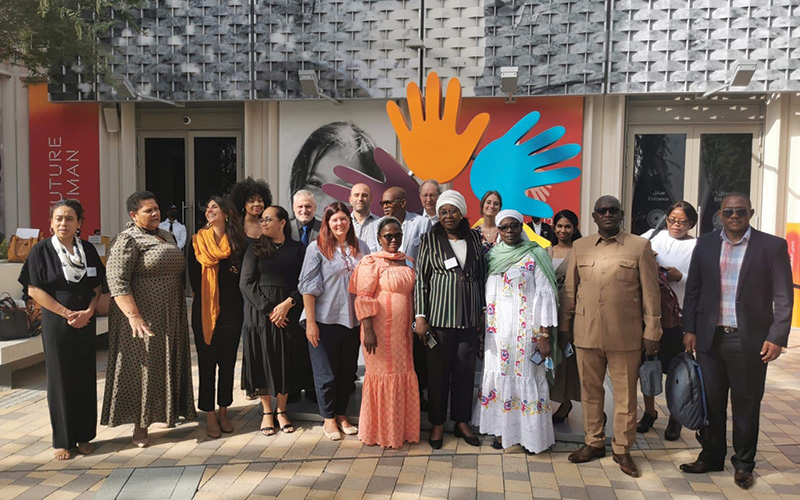
A powerful data tool developed by international child development researcher Professor Sally Brinkman and former research assistant Tom Brown could improve early childhood support for children around the world after being launched in Dubai this year.
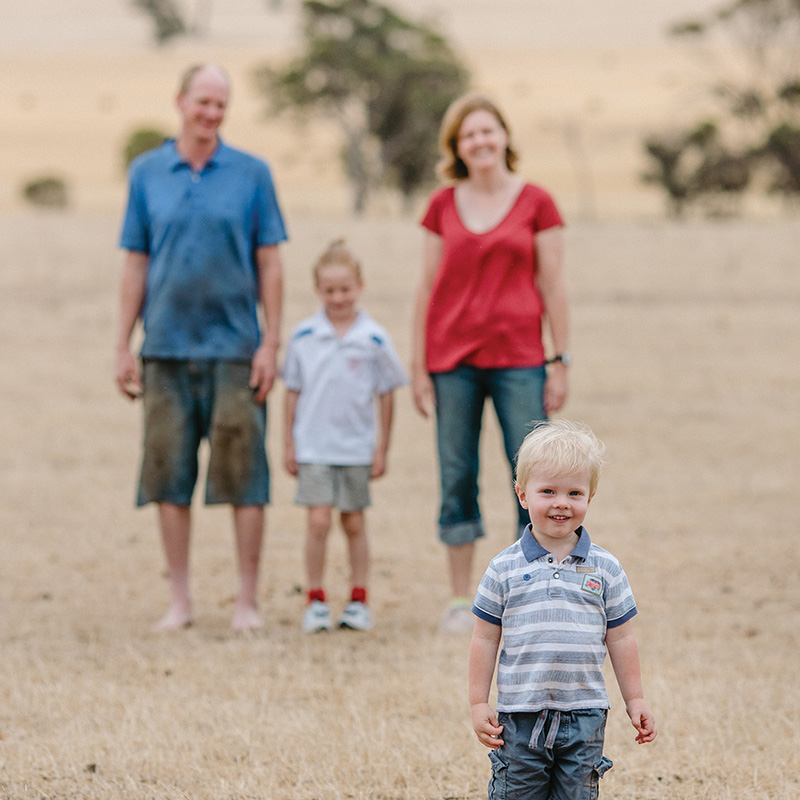
A program unfolding in four very diverse locations across Western Australia is working to give children aged 0–4 the best start in life.
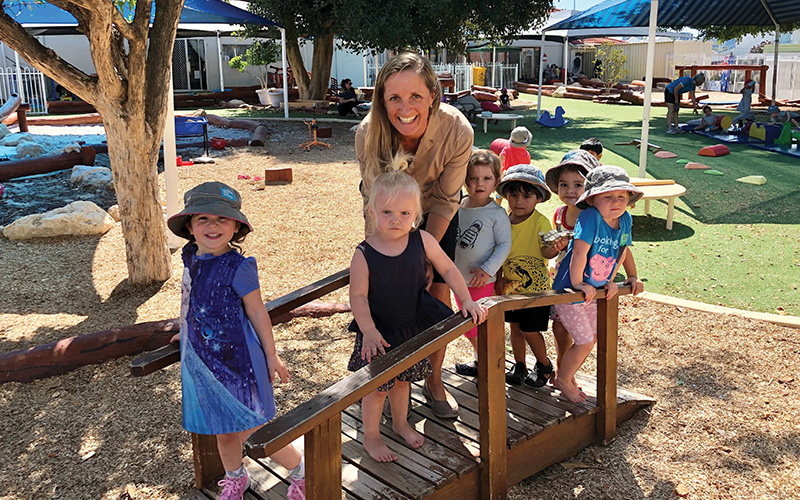
Not too long ago, if you had mentioned physical activity to educators at the Sonas Early Learning & Care centres run by Shelley Prendergast, they would automatically have reached for the trusty old obstacle course.
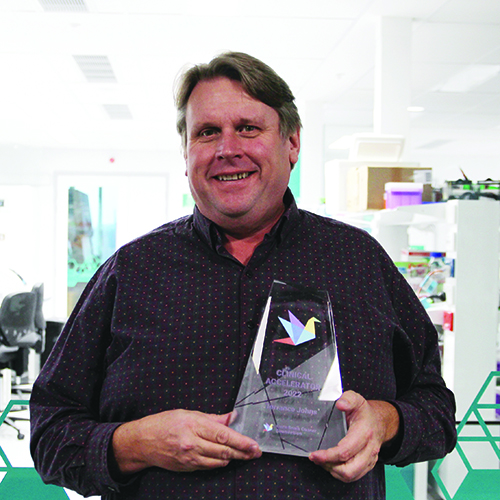
WA Kids Cancer Centre is leading the charge to find innovative new treatments that will allow doctors to ‘dial down’ the amount of toxic treatments needed to fight cancer.
Research
AsthmaOne in eight children have asthma, a chronic disease of the airways in the lungs. It results in shortness of breath, chest tightness, wheezing and coughing.
Research
BronchiolitisBronchiolitis is a respiratory infection, usually occurring in babies under six months of age. It causes them to wheeze and can lead to pneumonia. Researchers are focusing on vaccines against the virus which commonly causes it.
Research
Developmental Coordination DisorderDevelopmental Coordination Disorder is a lifelong disability impacting most aspects of daily living that involve movement. With an estimated prevalence of ~5% of children, the disorder affects an average of one to two children in every Australian classroom.