
Search
Showing results for "Study of bullying"
Cases identified through mass testing represent only a fraction of infections, depending on the propensity of infected individuals to seek testing. Quantifying the variation in test-seeking behaviour through time or between population subgroups provides important information on testing uptake and supports epidemiological analyses of case data that may otherwise be biased.
We describe the application of a participatory action research methodology that is grounded in Aboriginal worldviews
Alexander Anthony Deborah Pat Larcombe Kicic Strickland Holt BScEnv (Hons) PhD BSc (Hons) PhD PhD PhD, DSc, FRCPath, FRCPI, FAA Honorary Research
This project forms a program of modelling to inform the Gate's Foundation’s malaria product development portfolio, otherwise known as the Integrated Portfolio Management (IPM) project.
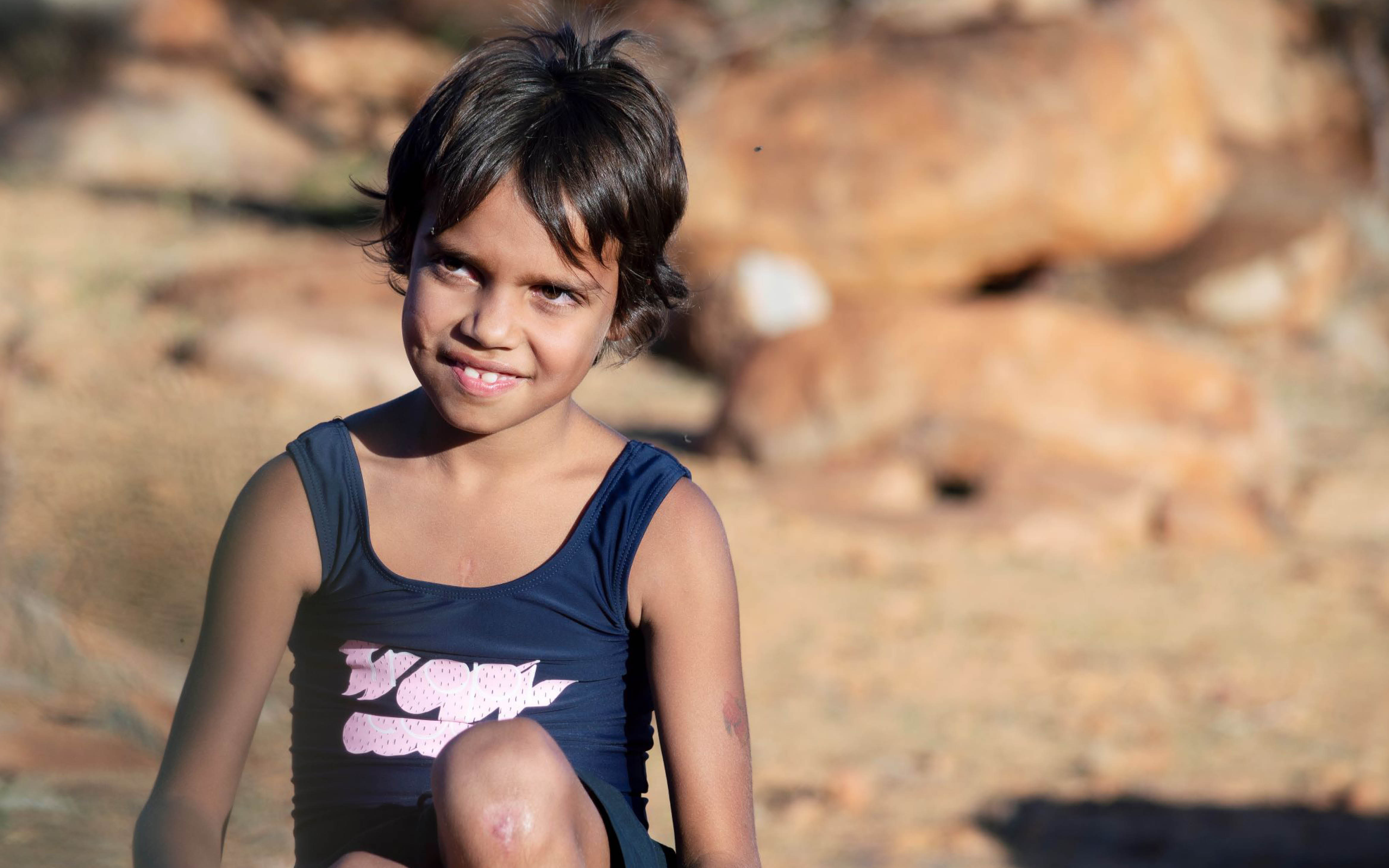
The Strep A Translation team aim to understand the epidemiology of Strep A infections in Australia and the world. Alongside this, they explore the implementation of endgame recommendations, health economics and new horizons.
We aimed to explore whether newborns in high-risk areas have pre-existing pneumococcal-specific cellular immune responses that effects early acquisition.
Invasive mould infection (IMI) is a major cause of morbidity and mortality in immunocompromised children. Outcomes for paediatric patients with IMI remain poor, due in part to the limitations of available diagnostic tools and therapeutic agents.
Sepsis, for children and their parents, is a life-altering illness with far-reaching psychosocial and physical impacts. We aimed to explore the needs of such patients and their parents after hospital admission for sepsis to inform the development of a Western Australian postsepsis care service.
Early in the coronavirus disease 2019 (COVID-19) pandemic, evidence emerged that individuals with chronic and immunocompromising conditions faced increased risk of severe infection, including death. The Australian Government and public health authorities prioritised these citizens' access to vaccines, including them in phase 1b of the rollout from 22 March 2021.
Increases in invasive group A streptococcal disease (iGAS) have recently been reported in multiple countries in the northern hemisphere, occurring during, and outside of, typical spring peaks. We report the epidemiology of iGAS among children in Australia from 1 July 2018 to 31 December 2022.