
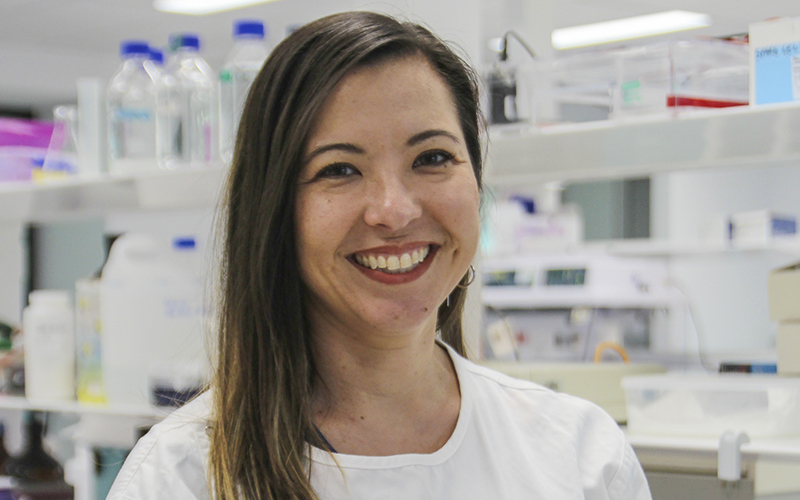
The Kids Research Institute Australia researcher, Dr Raelene Endersby, will work to develop less toxic treatments for children with brain cancer, tha…
To investigate incidence and survival of childhood tumours of the central nervous system (CNS) by histological subtype, tumour behaviour and tumour g…
Medulloblastoma is the most common malignant paediatric brain tumour and a leading cause of cancer-related mortality and morbidity. Existing treatmen…
Unlike adults, malignant melanoma in children and adolescents is rare. In adult melanoma, significant progress in understanding tumor biology and new…
Medulloblastoma is the most common malignant childhood brain tumor, and 5-year overall survival rates are as low as 40% depending on molecular subtyp…
Hereditary cancer predisposition syndromes (HCPS) account for at least 10% of paediatric cancers.1 Li‐Fraumeni syndrome (LFS) is a dominant HCPS caus…
Medulloblastoma (MB) consists of four core molecular subgroups with distinct clinical features and prognoses. Treatment consists of surgery, followed…
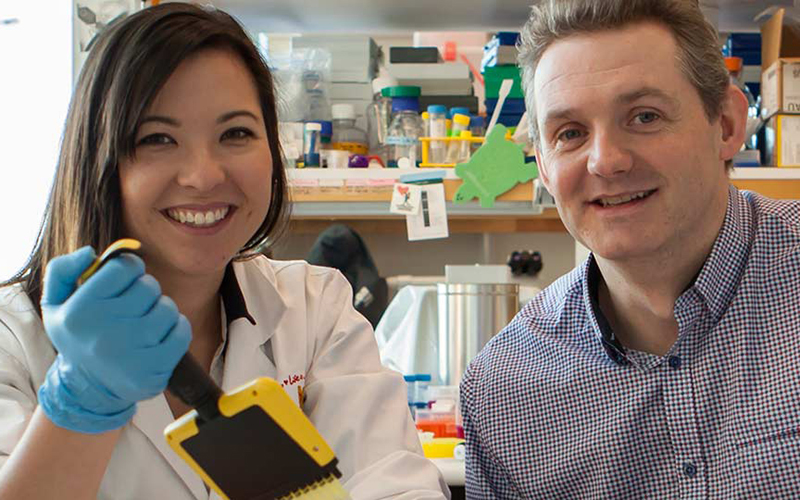
A new combination of drugs could help to increase survival rates with fewer side effects for some children with one of the most aggressive forms of c…
PTEN mutation occurs in a variety of aggressive cancers and is associated with poor patient outcomes. Recent studies have linked mutational loss of P…
The Zero Childhood Cancer Program is a precision medicine program to benefit children with poor-outcome, rare, relapsed or refractory cancer. Using t…