
Search
Showing results for "Study of bullying"
Vaccination remains one of the most effective means of reducing the burden of infectious diseases globally. Improving our understanding of the molecular basis for effective vaccine response is of paramount importance if we are to ensure the success of future vaccine development efforts. We applied cutting edge multi-omics approaches to extensively characterize temporal molecular responses following vaccination with hepatitis B virus (HBV) vaccine. Data were integrated across cellular, epigenomic, transcriptomic, proteomic, and fecal microbiome profiles, and correlated to final HBV antibody titres.
These challenges in measuring early childhood development are exacerbated when making comparisons across cultures
These results suggest that the expression of miR-143, miR-210, and miR-200c in PE cells might provide a signature for diagnosing malignant pleural mesothelioma
Developmental co-ordination disorder is a motor skill disorder that affects an estimated 5-6% of children but lacks recognition and understanding, leading to under-diagnosis
Using linked data, we describe changes in respiratory virus testing among children born in Western Australia in 1996-2012
Down syndrome, also known as Trisomy 21, is one of the most common chromosome abnormalities in humans. It occurs when a child's cells end up with 47 chromosomes instead of the usual 46. Down syndrome causes intellectual disability and other physical and learning challenges.
Assessment of motor competence is critical for planning and monitoring children's development. However, many assessment tools require time, training, and resources not available to most teachers. We aimed to evaluate the external aspect of construct validity of a rapid product-oriented fundamental movement skill assessment tool designed specifically for primary education settings.
Parents of trans and gender diverse (herein ‘trans’) children experience additional challenges in their parenting role relative to parents of cisgender children. Understanding and enhancing parents’ empowerment is a promising approach to support both parents and children. We aimed to develop an empowerment scale specific to parents of trans children, grounded in parents’ lived experiences.
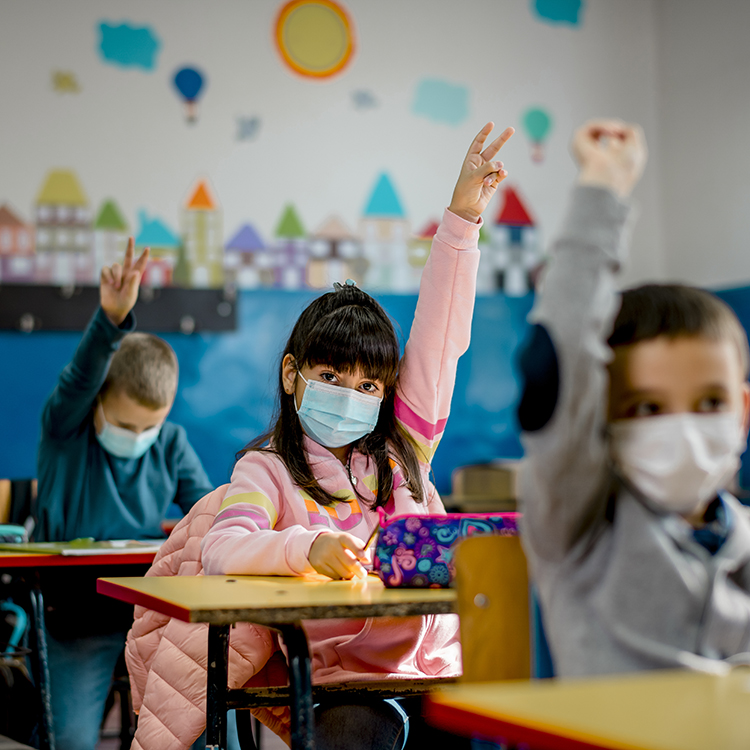
With the number of COVID-19 infections in Western Australia continuing to grow – including confirmed cases in children – The Kids Research Institute Australia understands that our community is growing increasingly worried.
Children with cerebral palsy face challenges in maintaining oral hygiene; data on their oral health practices and outcomes are limited.