
Search
Showing results for "Study of bullying"
Senior Research Fellow

A lovable blue creature by the name of Bobbie has won the hearts and minds of Western Australians.
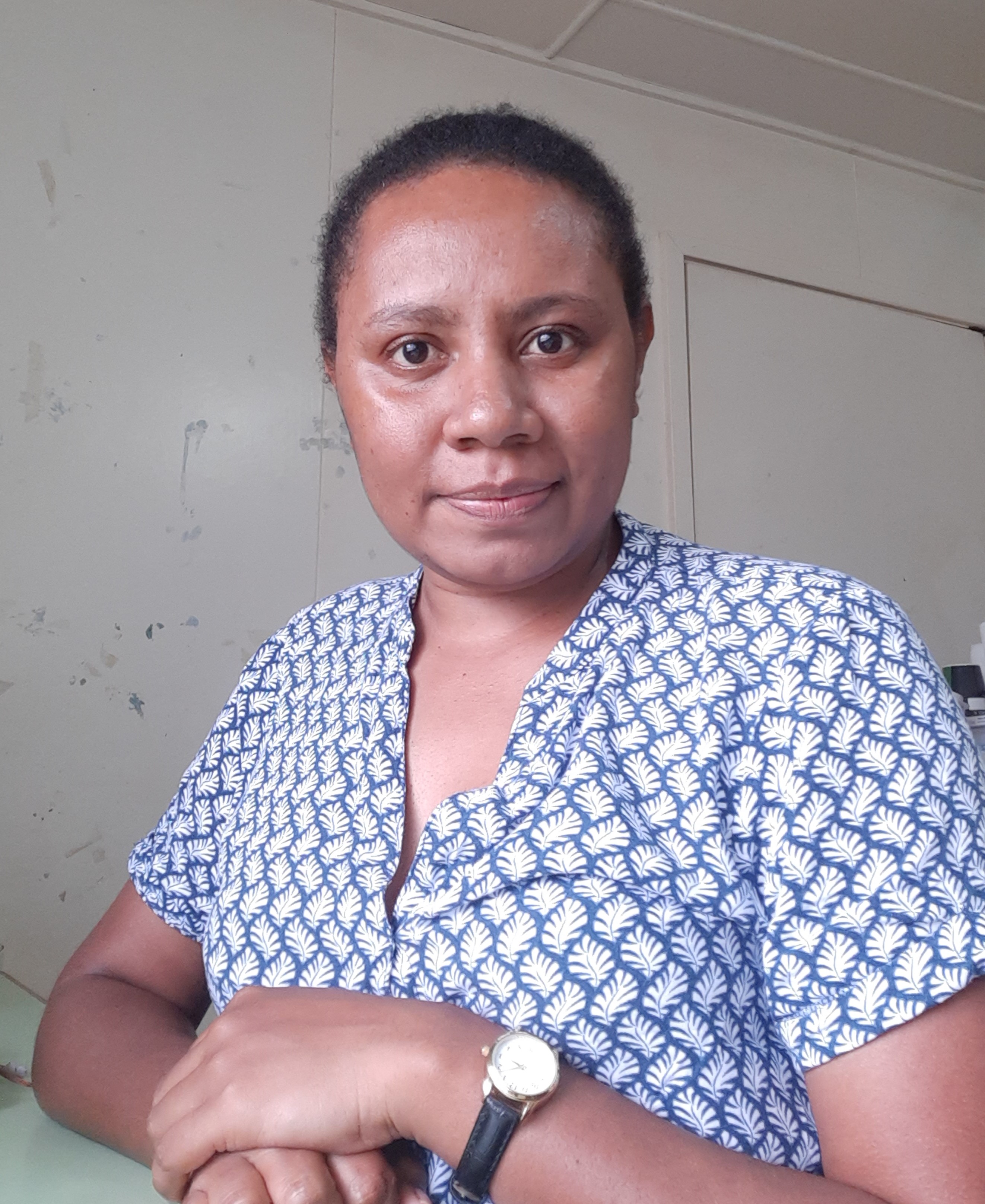
Congratulations to Dr Paula Tesine who is the successful recipient of the Deborah Lehmann Research Award. As the third recipient of the Deborah Lehmann Research Award, Dr Tesine received $30,000 towards her research.

Pneumococcal – a bacterial infection that can cause pneumonia and meningitis – is responsible for 1000s of hospital admissions in Australia each year, many of them children.
Occurring in 1% of school-aged children, Tourette syndrome is a neurodevelopmental disorder characterised by uncontrollable movements and vocalisations known as tics.

Children in the tiny Pacific nation of Tuvalu face a unique threat that should be a wake-up call to other countries across the world.
Monitoring the number of COVID-19 patients in hospital beds was a critical component of Australia's real-time surveillance strategy for the disease. From 2021 to 2023, we produced short-term forecasts of bed occupancy to support public health decision-making.
Adverse prenatal conditions can induce intrauterine growth restriction and increase the risk of adulthood metabolic disease. Mechanisms underlying developmentally programmed metabolic disease remain unclear but may involve disrupted postnatal circadian rhythms and kisspeptin signalling.
The way the immune system operates differs between males and females. This is due to both differential expression of immune-related genes from the sex chromosomes as well as the immune modulatory properties of sex hormones. Together, these effects contribute to a skewed prevalence of disease and disease course between males and females, including allergic-, infectious-, autoimmune-, and cancerous disease.
Among all surgical specialties, vascular surgery has the greatest proportion of patients with unplanned admissions to the intensive care unit postoperatively. Therefore, current clinical pathways for the postoperative management of vascular surgery patients may need to be revised.