
Search
Showing results for "Study of bullying"

Co-Head, Foundations of Lung Disease
Deborah Lehmann AO, MBBS, MSc Honorary Emeritus Fellow Honorary Emeritus Fellow Clinical Associate Professor Deborah Lehmann is a medical

Systematic review explores engagement levels of digital tools during the perinatal period

The Rio Tinto Children’s Diabetes Centre; A JDRF Global Centre of Excellence (the Centre), announces inaugural Honours Scholarships for students dedicated to type 1 diabetes research.

Bile Acid Signal Molecules Associate Temporally with Respiratory Inflammation and Microbiome Signatures in Clinically Stable Cystic Fibrosis

The Supporting Training of Aboriginal Researchers Staff program (STARS) is a diverse program with flexible awards to equip the next generation of Aboriginal leaders in our community.

Our Board of Directors all give their time voluntarily and work together to guide the overall business of the Institute, bringing a diverse range of experience from the business, academic and community sectors.
Arsenic is the only environmental toxin that has been linked to both malignant and nonmalignant respiratory disease following ingestion, rather than inhalation, making arsenic a unique toxicant to the respiratory system. Chronic exposure to arsenic has been associated with the development of respiratory symptoms, impaired lung function, and chronic lung disease.
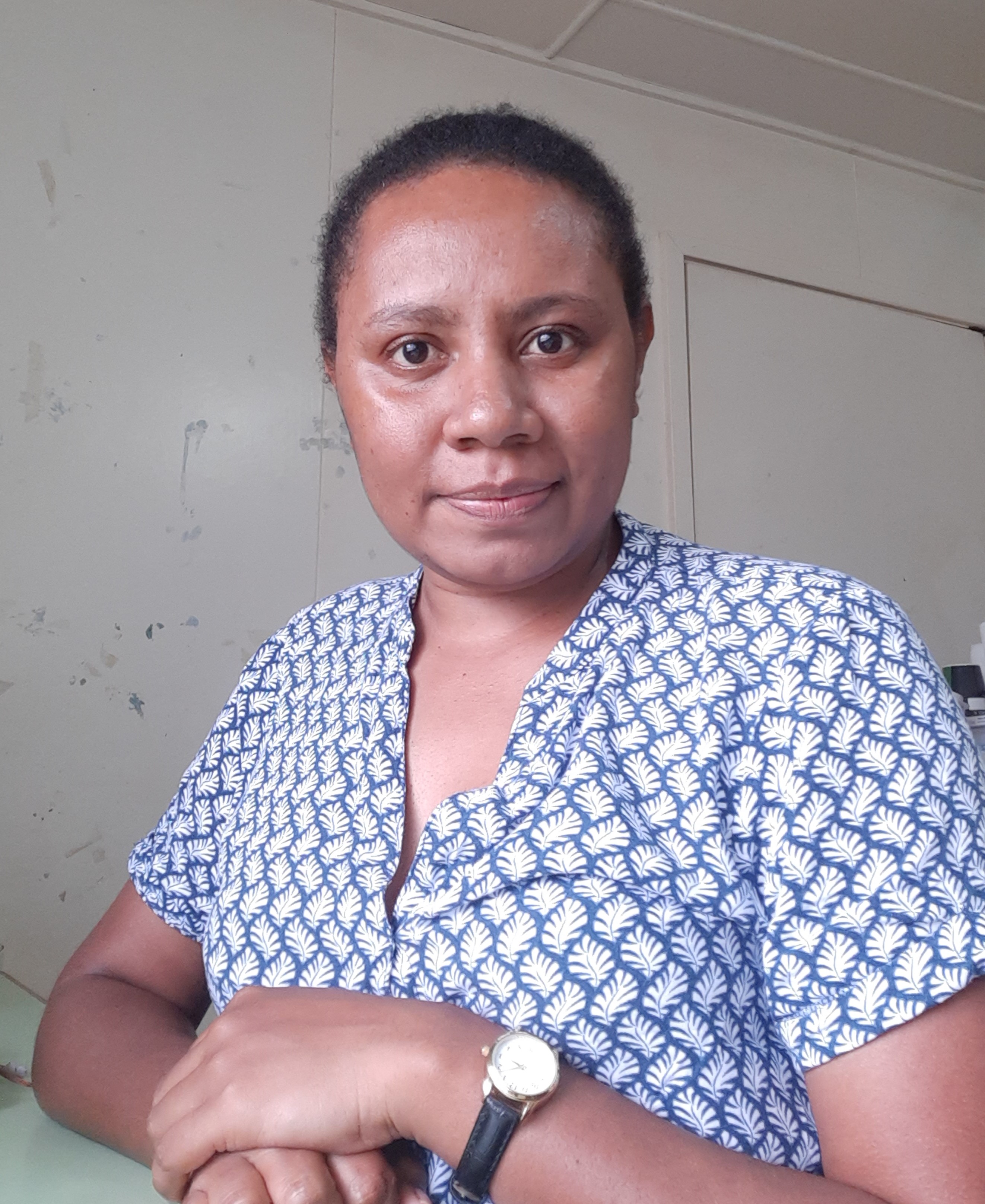
Congratulations to Dr Paula Tesine who is the successful recipient of the Deborah Lehmann Research Award. As the third recipient of the Deborah Lehmann Research Award, Dr Tesine received $30,000 towards her research.
The first inhabitants of Australia and the traditional owners of Australian lands are the Aboriginal and Torres Strait Islander peoples. Aboriginal and Torres Strait Islander peoples are two to four times more likely to have systemic lupus erythematosus (SLE) than the general Australian population.