
Search
Lung squamous cell carcinoma (LUSC) is a significant health concern, characterized by a lack of specific therapies and limited treatment options for patients in advanced stages. This study aims to identify key molecules of prognostic importance in LUSC and provide an experimental foundation for their potential therapeutic applications.
Pulmonary atresia with intact ventricular septum is a rare congenital cardiac lesion with significant anatomical heterogeneity. Surgical planning of borderline cases remains challenging and is primarily based on echocardiography. The aim was to identify echocardiographic parameters that correlate with surgical outcome and to develop a discriminatory calculator.
Gliomas account for nearly 30% of all primary central nervous system (CNS) tumors in children and adolescents and young adults (AYA), contributing to significant morbidity and mortality. The updated molecular classification of gliomas defines molecularly diverse subtypes with a spectrum of tumors associated with age-distinct incidence.
On this Research Impact page, learn about our work that's actively translated as Government policy or in active practice. Learn how our research is making a difference in people's lives - not tomorrow, next week, or next year - but today!
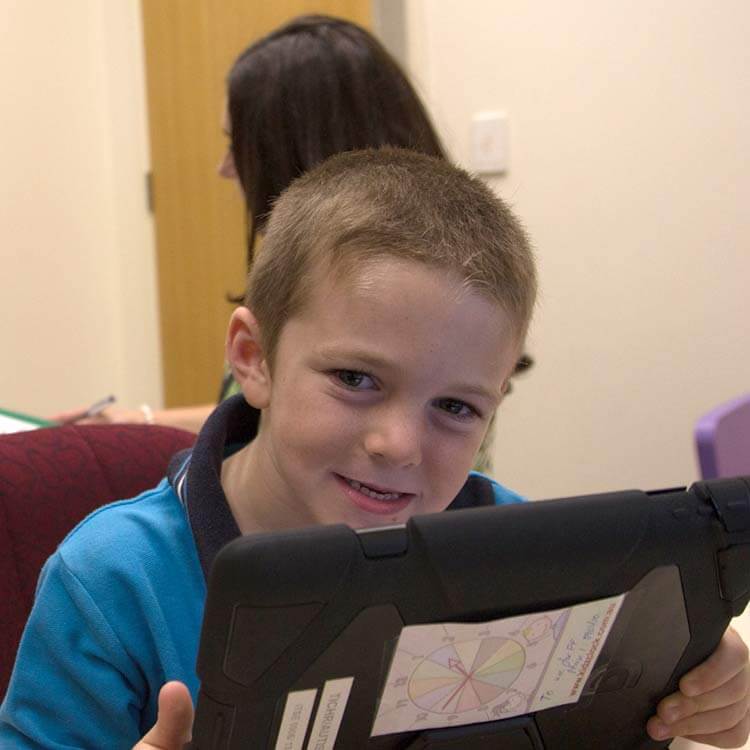
The MINERvA Network will allow more accurate and precise determination of the contributions of familial and environmental factors to the etiology of autism.
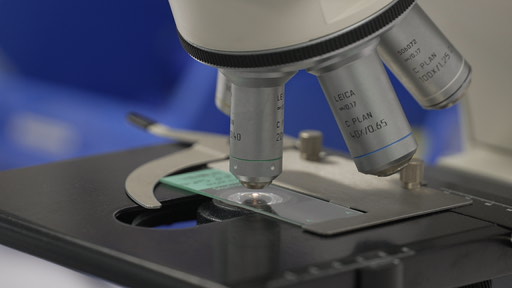
The Kids Research Institute Australia is equipped with a diverse range of histology and microscopy equipment and analysis software to facilitate state-of-the-art imaging.
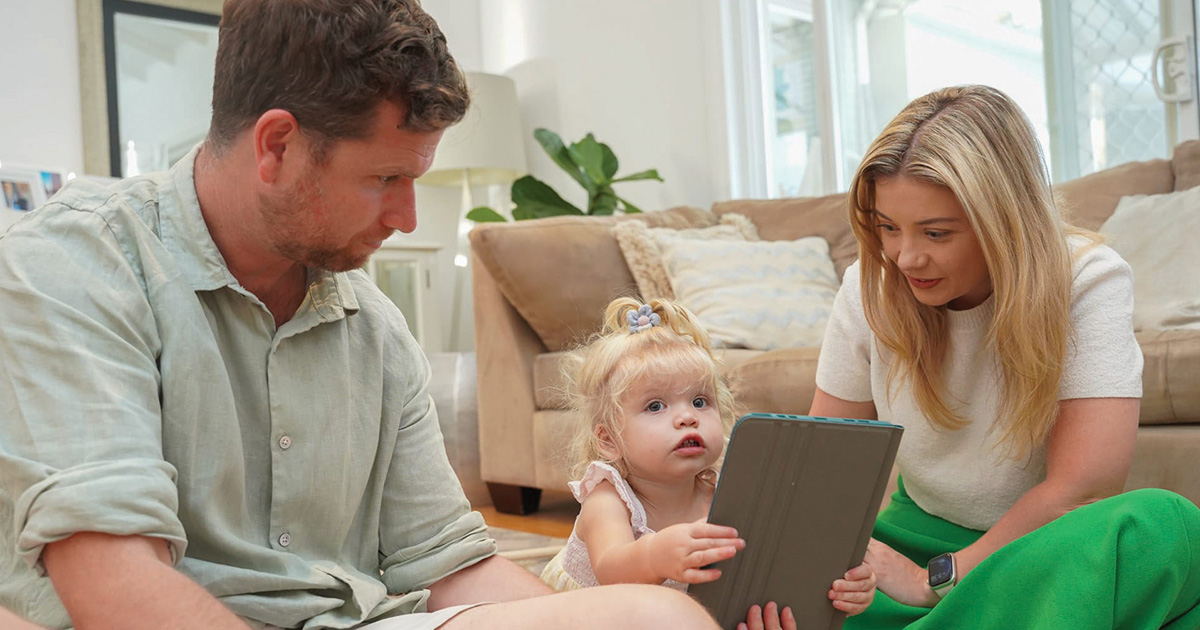
Toddlers exposed to screen time at home are hearing fewer words and making fewer vocalisations, findings from the first longitudinal study to measure the relationship between family screen use and children’s language development have shown.
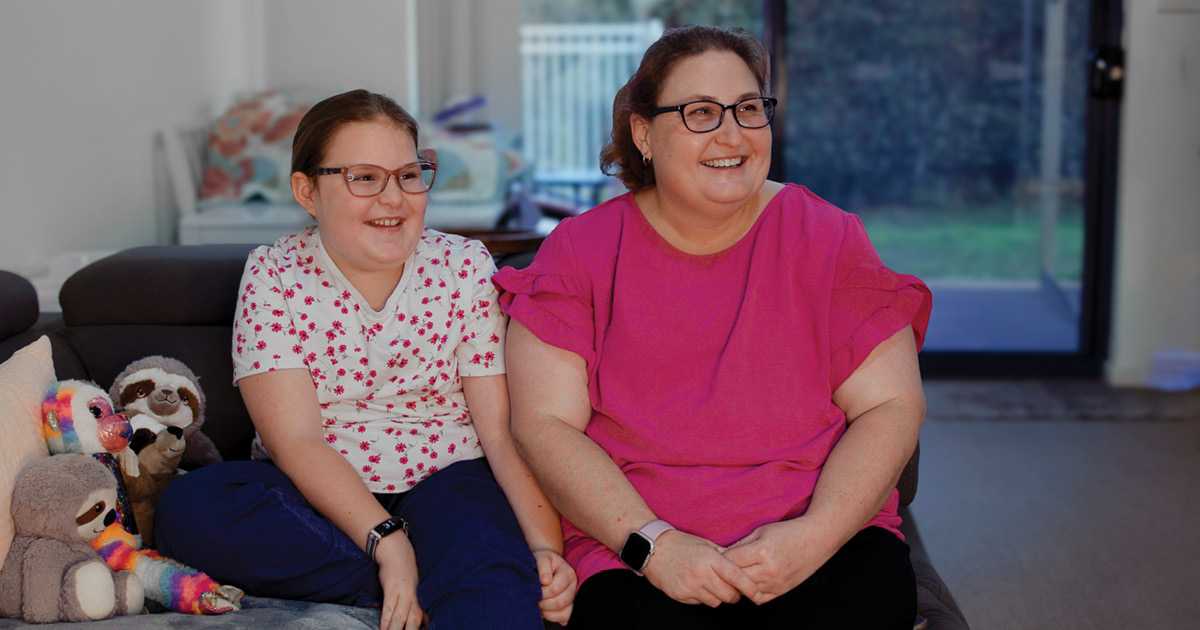
Helping children build resilience and cope with the trauma associated with medical emergencies and chronic health conditions is the focus of a promising pilot program being undertaken by The Kids Research Institute Australia.
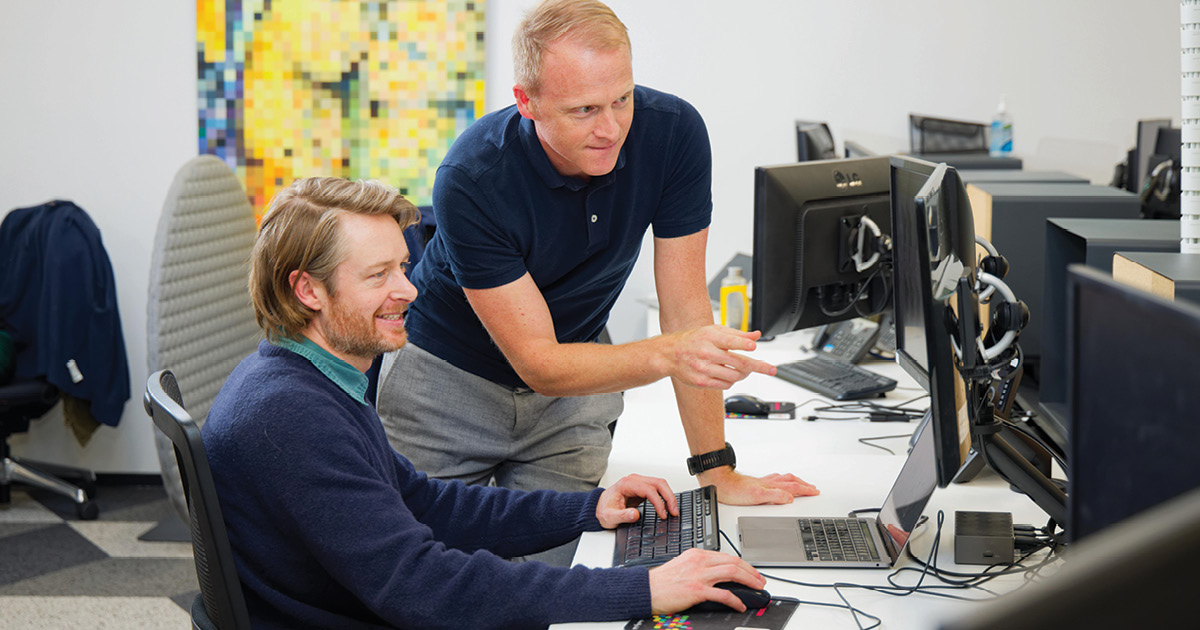
Nearly 170 years ago a British doctor applied geospatial mapping to identify the source of a cholera outbreak in central London.
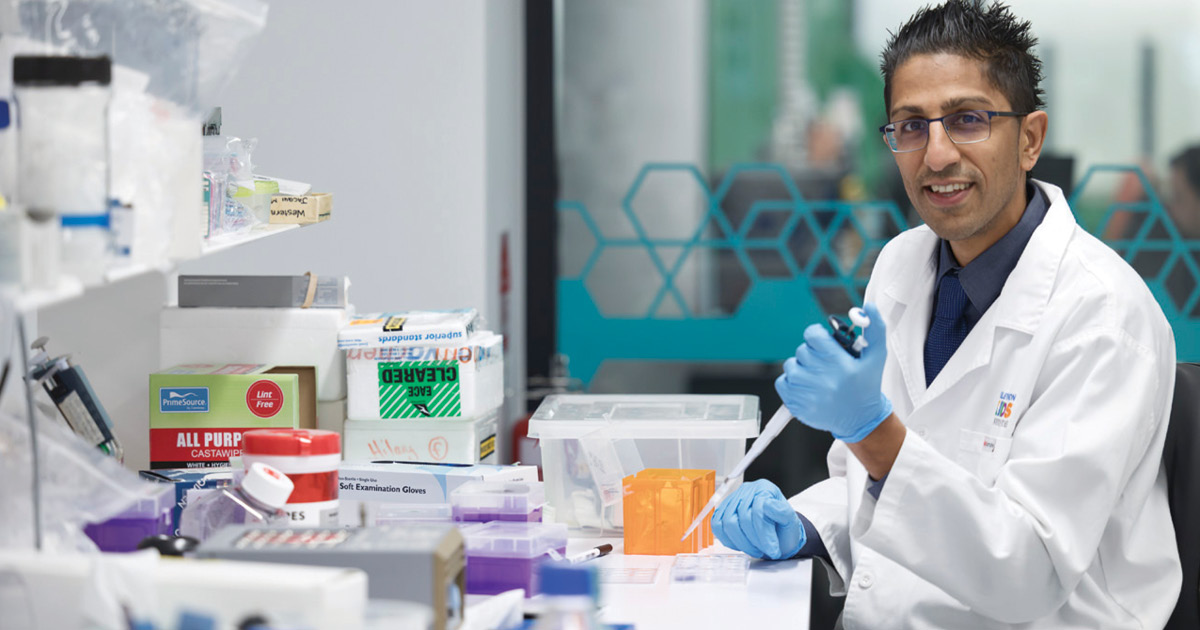
A pilot clinical study has found an immunotherapy drug can dramatically increase survival rates for babies with a rare form of leukaemia, paving the way for a major international clinical trial.