
Search
Research
Evaluation of the processes of family-centred care for young children with intellectual disability in Western AustraliaGovernment early intervention services for children with intellectual disability (ID) in Western Australia have adopted the model of family-centred care.
Research
Prevalence of neural tube defects in Australia prior to mandatoryTo establish baseline prevalence of neural tube defects (NTDs) prior to mandatory folic acid fortification in Australia.
Research
Rationale for access to public sector informationOn the back of the growing capacity of networked digital information technologies to process and visualise large amounts of information in a timely, efficient a

News & Events
Help our kids reach their potentialYou're invited to join the Early Childhood Development and Learning Collaboration on Monday 15 August from 7pm to help every child reach their potential.
Research
Social and racial inequalities in preterm births in Western Australia, 1984 to 2006Social, racial inequalities, preterm births, Western Australia, 1984 to 2006
Research
Body mass index, adiposity rebound and early feeding in a longitudinal cohort (Raine Study)This study examined the influence of type and duration of infant feeding on adiposity rebound and the tracking of body mass index (BMI) from birth to 14 years
Research
Do early-life viral infections cause asthma?Epidemiologic associations between viral lower respiratory infections (LRIs) and asthma in later childhood are well known
Research
International trends of Down syndrome 1993-2004: Births in relation to maternal age and terminations of pregnanciesThe aim of this study was to examine trends of Down syndrome (DS) in relation to maternal age and termination of pregnancies (ToP) in 20 registries
News & Events
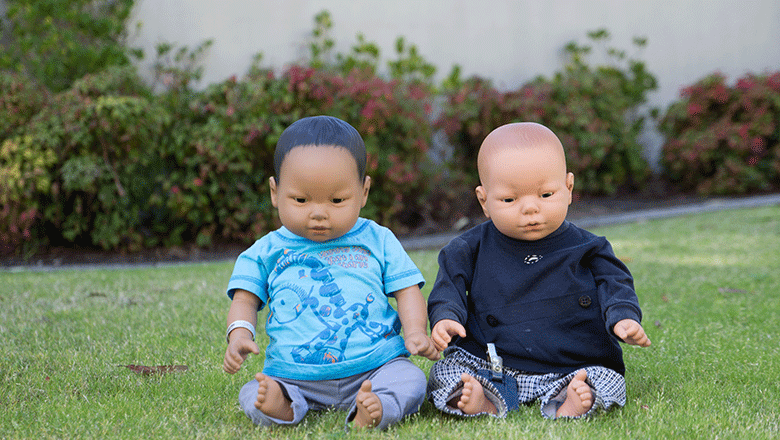
Infant simulators fail to reduce teen pregnancyA The Kids Research Institute Australia study has found a popular education programme where teenagers care for a "robot" baby fails to reduce teen pregnancy, and could in fac
Research
Spinal pain and nutrition in adolescents-an exploratory cross-sectional studySpinal pain is an important health issue for adolescents resulting in functional limitations for many and increasing the risk of spinal pain in adulthood.
Research
Yarning about yarning as a legitimate method in Indigenous ResearchThis article demonstrates the credibility and rigor of yarning, an Indigenous cultural form of conversation, through its use as a data gathering tool
Research
UV exposure and protection against allergic airways diseaseAsthma is a chronic inflammatory disease of the small and large conducting airway mucosa characterised by Th2 cell immunity.
News & Events
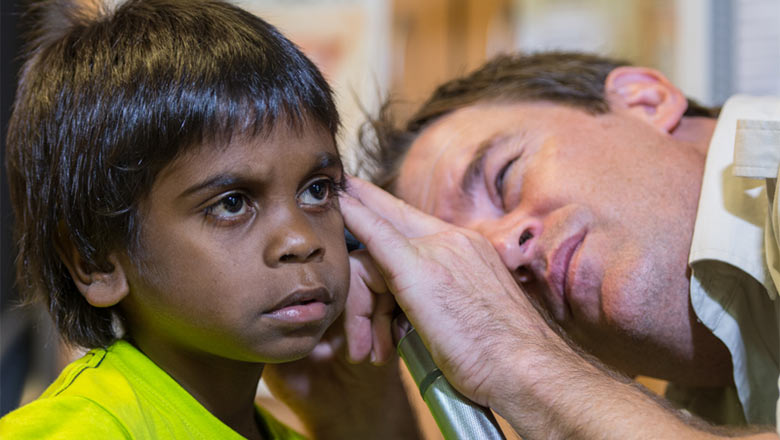
National FASD diagnostic tool to improve outcomes for kidsAustralia's first national diagnostic tool for Fetal Alcohol Spectrum Disorder (FASD) has been developed by researchers at The Kids Research Institute Australia and the U
News & Events
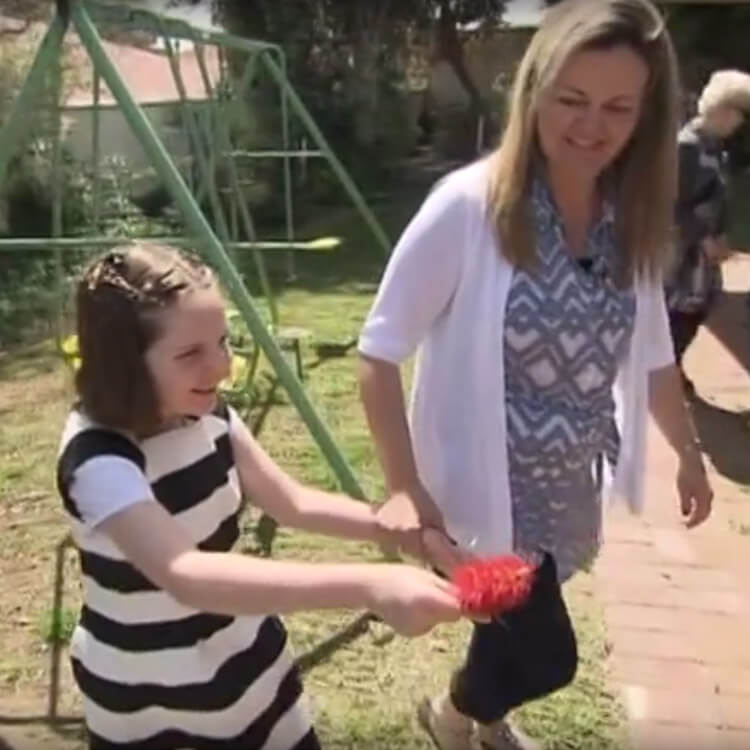
Perth researchers unlocking mystery of rare seizure diseaseResearchers at The Kids Research Institute Australia are one step closer to finding better treatments for a rare disease causing children to have multiple seizures a day.

News & Events
New coalition to end rheumatic heart disease once and for allSix leading health organisations have joined a new coalition to end rheumatic heart disease in Australia, disproportionately affecting Indigenous Australians.

News & Events
Annual Community Lecture: You Are What You BreatheJoin us for our Annual Community Lecture entitled "You Are What You Breathe" with Professor Stephen Holgate.
News & Events
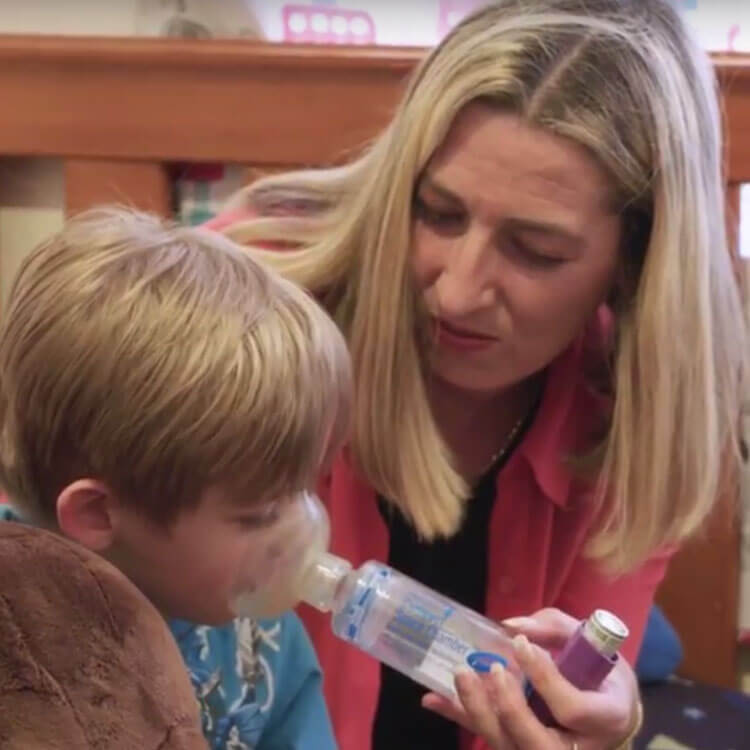
Video: The burden of asthma - Michelle's storyMichelle has spent countless nights watching her son struggle to breathe. Our researchers are working to find better treatments for kids living with asthma.
News & Events
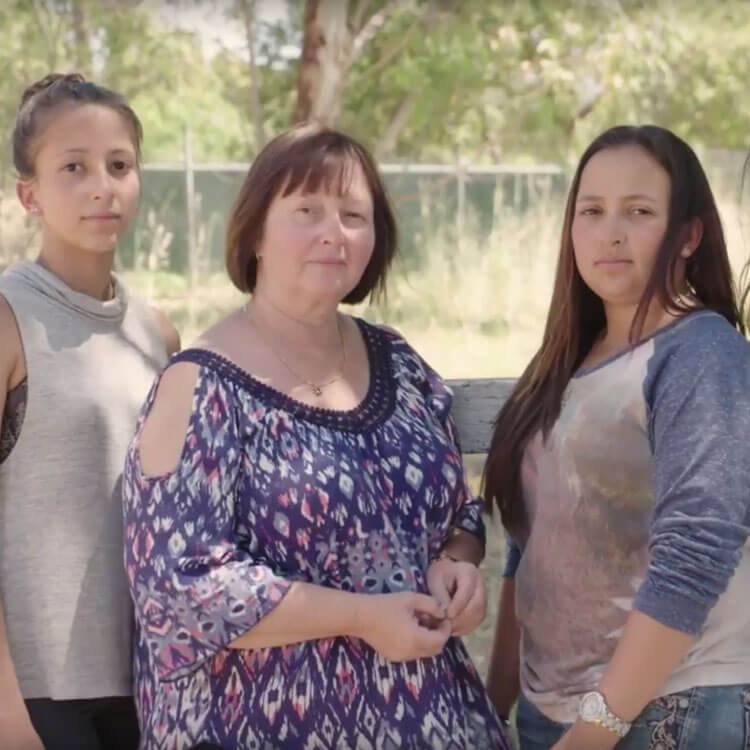
Video: The burden of asthma - Karen's storyThe Kids Research Institute Australia researchers are at the forefront of asthma research globally. Watch Karen's story to learn why it's so important.