
Search
Research
Developing a Standardised National Model of Care for Treatment of Peanut Allergy in Infants: The ADAPT Peanut Oral Immunotherapy ProgramPeanut allergy is the most common food allergy in Australian school-aged children and is rarely outgrown. Access to oral immunotherapy (OIT), a disease-modifying treatment for food allergy, is limited in many regions of the world, including Australia.

Research
Multigenerational Familial and Environmental Risk for Autism (MINERvA) NetworkThe MINERvA Network will allow more accurate and precise determination of the contributions of familial and environmental factors to the etiology of autism.
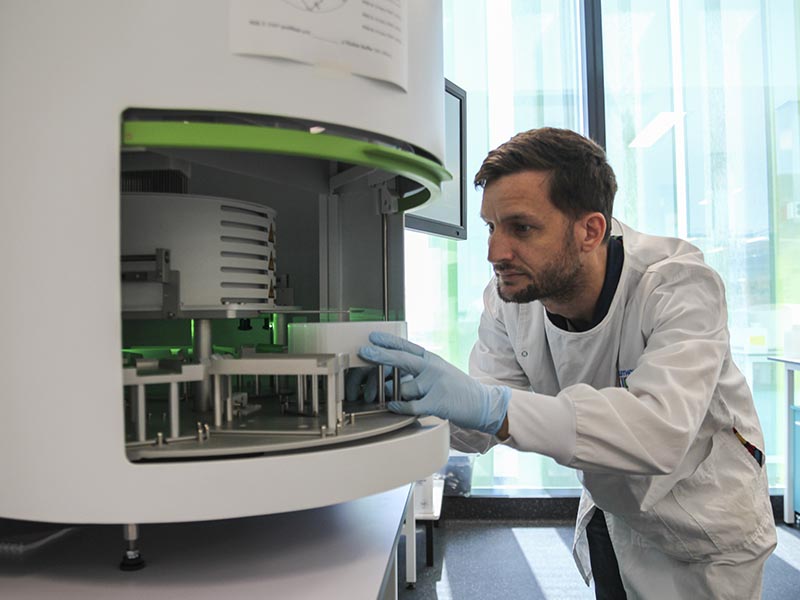
BioSpecs is a flexible service that supports laboratory research by providing expert technical assistance in pre-analytical sample processing and nucleic acid extractions.
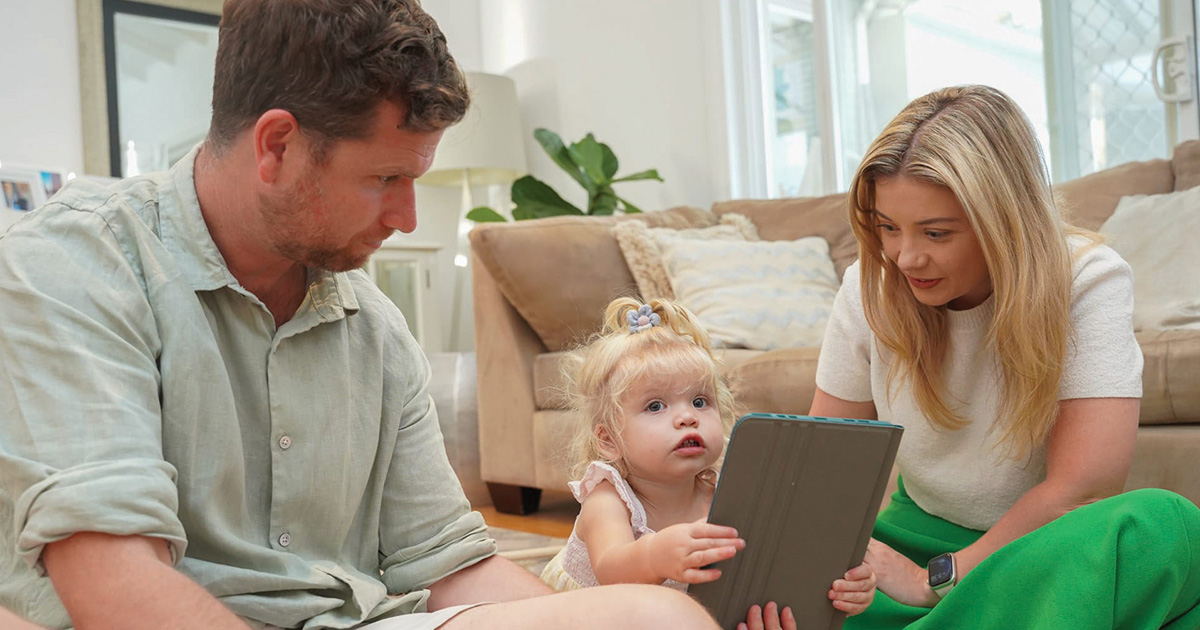
Toddlers exposed to screen time at home are hearing fewer words and making fewer vocalisations, findings from the first longitudinal study to measure the relationship between family screen use and children’s language development have shown.
Research
WA Aboriginal Health Knowledge NetworkA Network comprised of four regional sites to facilitate key medical, research and training activities undertaken in partnership with Aboriginal communities.
The Third Conversation
On this Research Impact page, we list stories helping demonstrate how we collaborate with other leaders, innovators, communities, and international stakeholders to ensure excellent research results. The better our results, the better the chances of research making a real difference.
Research
Intellectual DisabilityAbout 2 per cent of children are estimated to have an intellectual disability. The cause of the condition is unknown in at least 50 per cent of cases.
Research
NutritionThe science that interprets the way nutrients and other substances in food affect maintenance, growth, reproduction, health and disease.