
Search
Showing results for "Study of bullying"
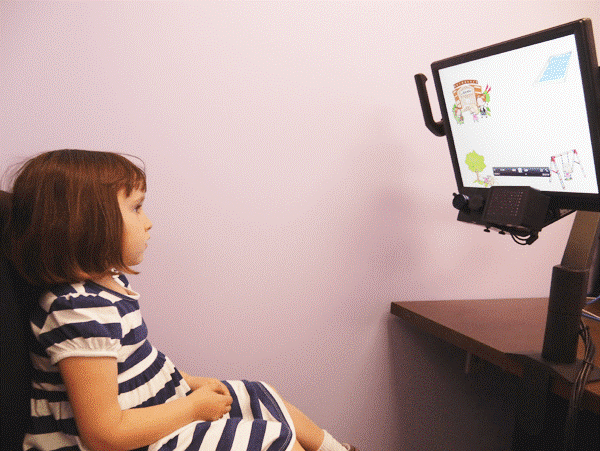
The Kids is trialling a new tool for earlier and easier screening of FASD and ADHD in children, using cutting-edge eye-tracking technology developed by the Kids Brain Health Network in Canada.
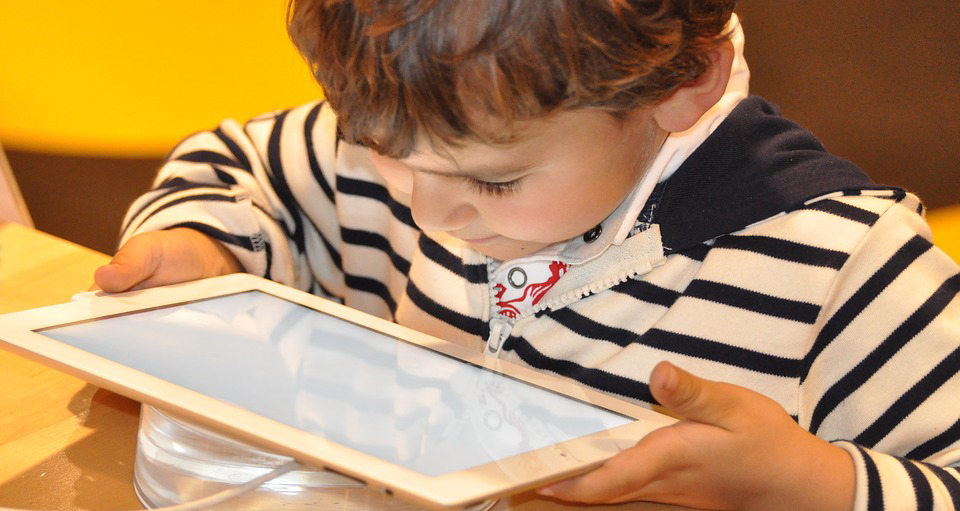
Have you ever wondered how other parents manage their kids’ device use? As part of a survey for our Cyber Savvy Project, The Kids researchers asked a group of parents for their top tips regarding their child's use of devices.
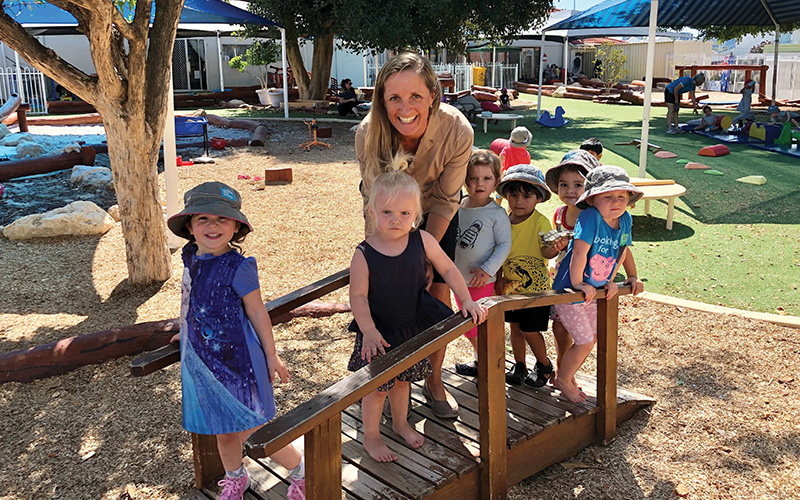
Not too long ago, if you had mentioned physical activity to educators at the Sonas Early Learning & Care centres run by Shelley Prendergast, they would automatically have reached for the trusty old obstacle course.

In addition to our busy lives, there’s a lot going on around us locally and across the world.
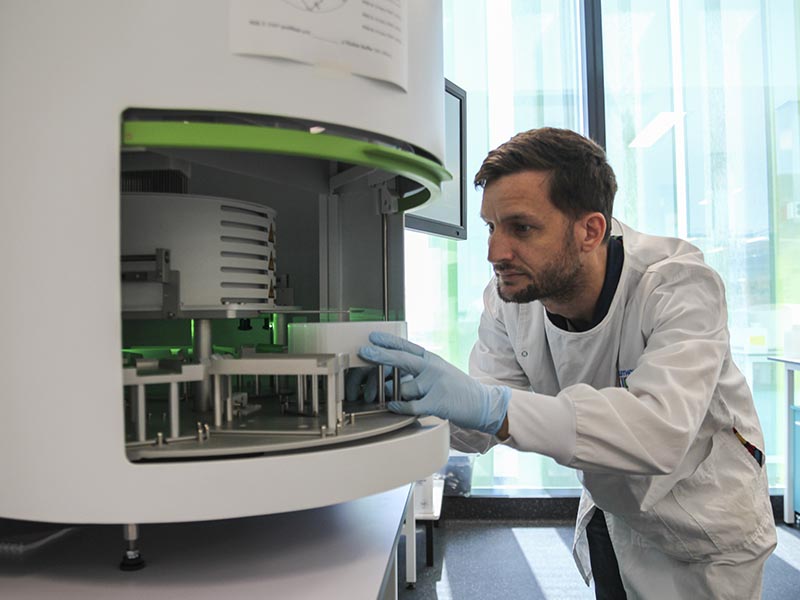
BioSpecs is a flexible service that supports laboratory research by providing expert technical assistance in pre-analytical sample processing and nucleic acid extractions.
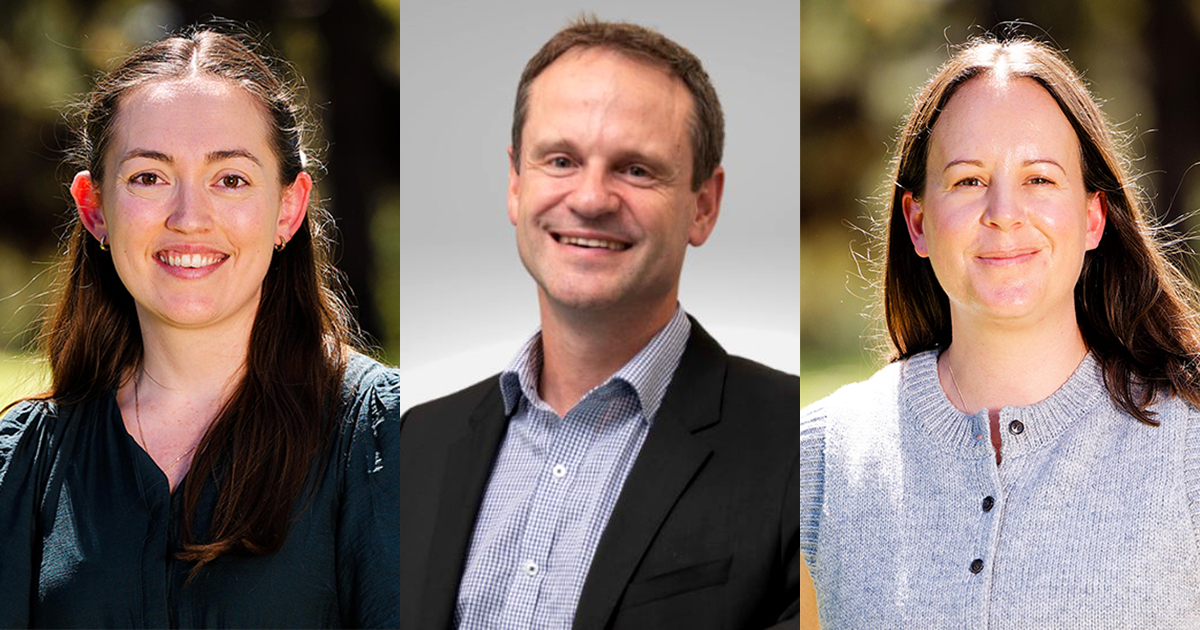
The Wal-yan Respiratory Research Centre is thrilled to see three researchers awarded prestigious Medical Research Future Fund (MRFF) Chronic Respiratory Conditions grants to improve lung health in children.
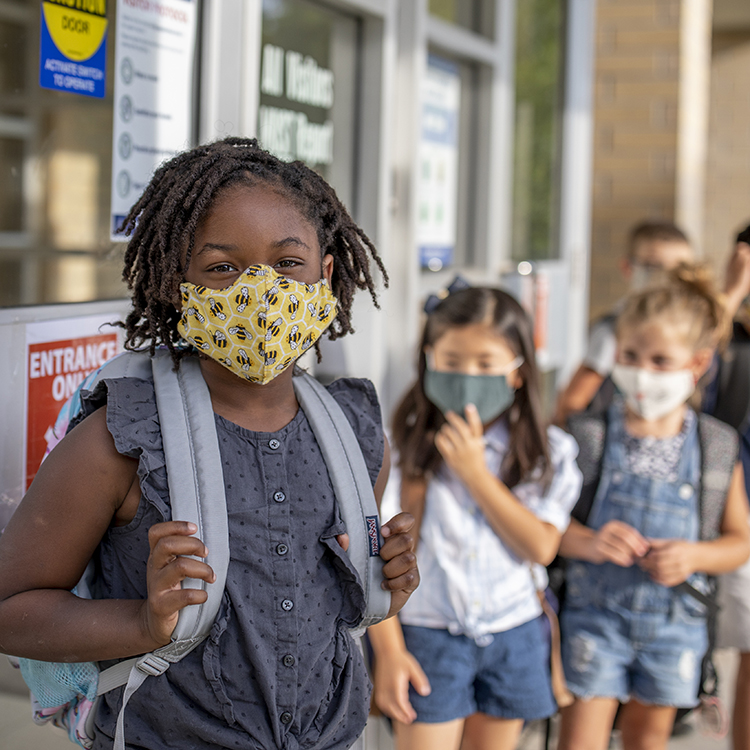
While COVID-19 is new and frightening, these resources are designed to help families tackle the challenges this virus has created for us.

As thousands of West Australian school leavers pack their bags for a week of celebration to mark the end of their school journey this weekend, it can be an anxious time for parents.
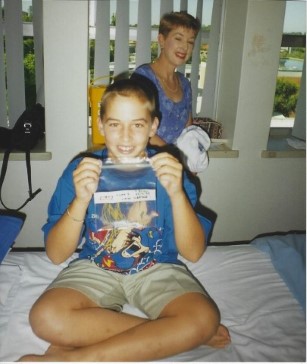
February 22, 1999 will forever be etched into the memory of Thomas Johns as it marks the day he became the first child in Australia to be fitted with an insulin pump.
Australian adolescent boys with low motor competence/Developmental Coordination Disorder had less robust bones compared to their well-coordinated Australian peers