
Search
Showing results for "Study of bullying"
An estimated 3.5%-5.9% of the global population live with rare diseases, and approximately 80% of these diseases have a genetic cause. Rare genetic diseases are difficult to diagnose, with some affected individuals experiencing diagnostic delays of 5-30 years. Next-generation sequencing has improved clinical diagnostic rates to 33%-48%. In a majority of cases, novel variants potentially causing the disease are discovered.
Infant exposure to coal mine fire emissions could be associated with long-term impairment of lung reactance
Research conducted by this laboratory has previously published four papers examining the relationship between maternal psychiatric disorders and having a...

Top infectious disease experts in Australia will lead a clinical trial to determine whether combining different Covid-19 vaccines in the nation’s booster immunisation will increase effectiveness.
we the people worked with CoLab, a partnership between The Kids and Minderoo Foundation, to investigatethe needs of local families with children aged 0to8
Leading child health advocate Professor Fiona Stanley AC has described results from the first Australian survey using the Early Development Index as alarming.
Keely Leanne Bebbington Fried MClinPsych/PhD BSc DipEd MSpEd EdD McCusker Postdoctoral Research Fellow in Type 1 Diabetes Senior Research Fellow 08
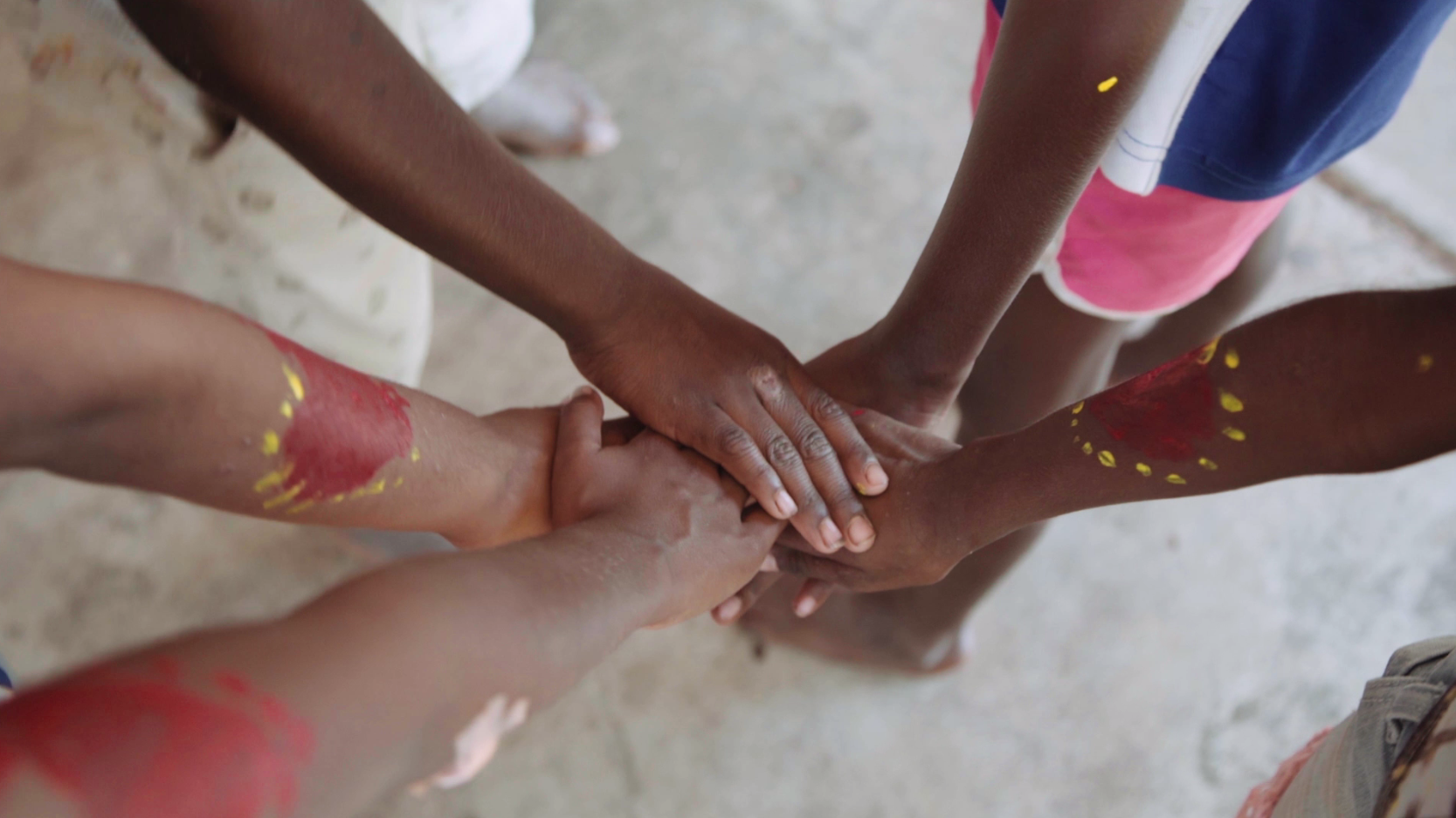
Research teams led by The Kids Research Institute Australia have been awarded $3.75 million to support two innovative projects – one focused on pioneering a national ‘Food Atlas’ to map access to healthy and unhealthy food across the country, and the other on developing new ways to prevent Strep throat and rheuma
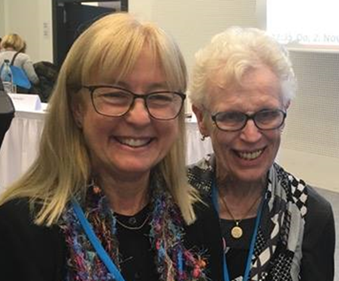
Two The Kids Research Institute Australia researchers recognised for their role in building a global database for CDKL5 deficiency disorder are now helping to set the scene for clinical trials of much-needed potential treatments.
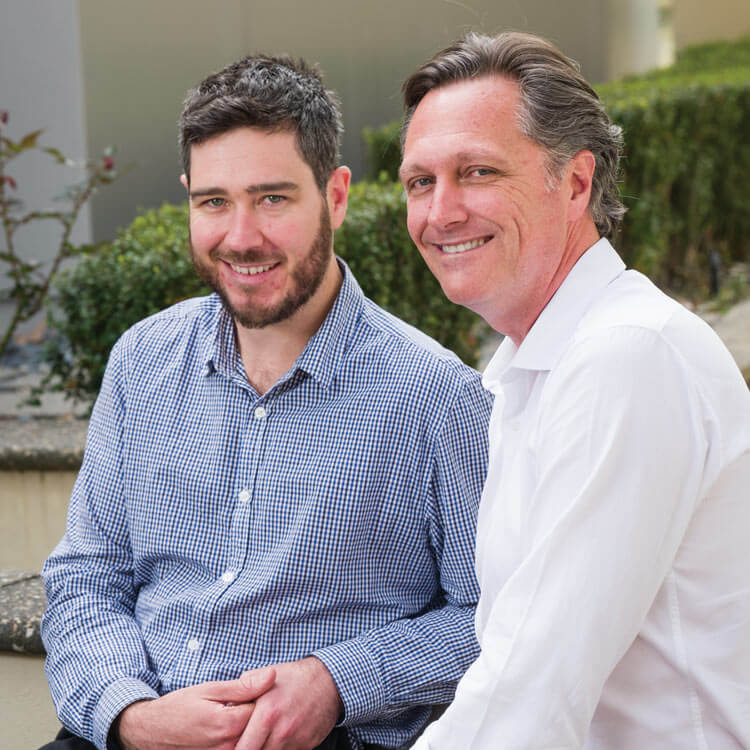
What does BHP know about medical research? More than you might imagine!